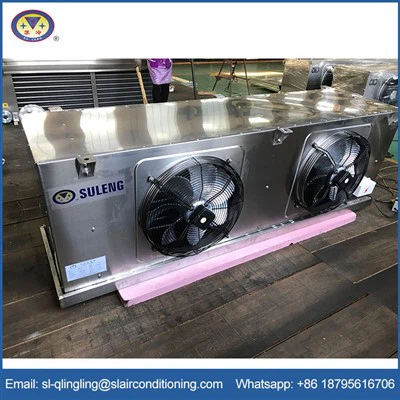
Are there any additives in the water produced by a water condenser from air?
Hey there! As a supplier of Water Condensers From Air, I often get asked this question: Are there any additives in the water produced by a water condenser from air? Well, let's dive right in and explore this topic.


First off, let's understand how a water condenser from air works. These nifty devices extract moisture from the air. The process is pretty straightforward. Air is drawn into the condenser, and as it cools down, the water vapor in the air condenses into liquid water. This water then gets collected and can be used for various purposes, like drinking, watering plants, or even in some industrial applications.
Now, to answer the big question - in most cases, there are no additives in the water produced by a water condenser from air. The water is simply the result of the natural condensation of water vapor in the air. However, there are a few factors that could potentially affect the quality of this water and make it seem like there are additives when there really aren't.
One factor is the quality of the air itself. If the air in the environment where the condenser is operating is polluted, the condensed water might contain some impurities. For example, in areas with high levels of air pollution, the water could have trace amounts of dust, pollen, or even chemicals like sulfur dioxide or nitrogen oxides. These aren't additives in the traditional sense, but they can affect the taste and quality of the water.
Another thing to consider is the maintenance of the condenser. If the condenser isn't cleaned regularly, it can develop mold, bacteria, or other contaminants. These can then end up in the collected water, giving it an off - taste or making it seem like there are additives. That's why it's super important to follow the manufacturer's maintenance guidelines. This usually involves cleaning the condenser's filters, coils, and water collection tank on a regular basis.
So, how can we ensure that the water from the condenser is as clean as possible? Well, many of our water condensers come with built - in filtration systems. These filters can remove a lot of the impurities that might be present in the air or that could develop in the condenser over time. Some of our high - end models even have multiple stages of filtration, including activated carbon filters that can remove odors and improve the taste of the water.
Now, let's talk about the applications of the water produced by these condensers. In domestic settings, people often use the water for drinking. When properly filtered and maintained, the water can be just as safe and clean as bottled water. In fact, it can be a more sustainable option since you're not using plastic bottles.
In industrial applications, the water can be used for things like cooling systems. For more information on industrial - grade water condensers, you can check out our Industrial Water Condenser page. These condensers are designed to handle larger volumes of water and are built to be more durable and efficient in industrial environments.
Another industrial application is related to steam condensate. Our Steam Condensate Drain Cooler is a great example. It helps in the proper management of steam condensate, which is an important part of many industrial processes.
If you're interested in the pricing of our evaporative condensers, you can visit our Evaporative Condenser Price page. We offer a range of models at different price points to suit different budgets and needs.
In conclusion, while there aren't usually additives in the water produced by a water condenser from air, the quality of the water can be affected by the air quality and the maintenance of the condenser. By using a good quality condenser with proper filtration and following the maintenance guidelines, you can ensure that the water is clean and safe for use.
If you're in the market for a water condenser from air, whether it's for your home or your business, we'd love to hear from you. Our team of experts can help you choose the right model for your needs and answer any questions you might have. Don't hesitate to reach out and start a conversation about your water - collection requirements.
References
- General knowledge about air - water condensers and water quality from industry experience.
- Research on air pollution and its impact on condensed water from academic journals.