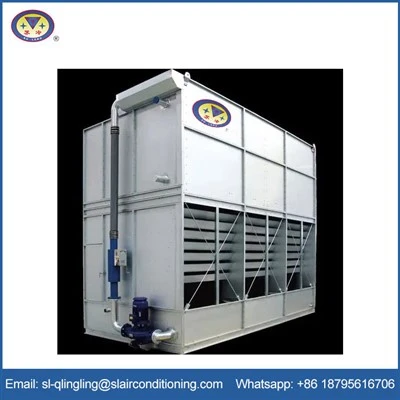
In the industrial sector, air coolers are indispensable for maintaining a comfortable and productive working environment. As a seasoned supplier of industrial air coolers, I've witnessed firsthand the growing reliance on these units across various industries. While the upfront cost of purchasing and installing an industrial air cooler is often the primary consideration for many businesses, there are several hidden costs that can significantly impact the overall expenditure over the lifespan of the equipment. In this blog post, I'll delve into these hidden costs and provide insights on how to manage them effectively.
Energy Consumption
One of the most significant hidden costs associated with industrial air coolers is energy consumption. These units typically require a substantial amount of electricity to operate, especially when running continuously. The energy efficiency of an air cooler is measured by its Energy Efficiency Ratio (EER), which indicates the amount of cooling provided per unit of energy consumed. A higher EER means the air cooler is more energy-efficient and will cost less to operate over time.
When selecting an industrial air cooler, it's crucial to consider the EER and choose a model that offers the best balance between cooling capacity and energy consumption. Additionally, implementing energy-saving practices such as adjusting the thermostat settings, using timers to control operation, and ensuring proper insulation can help reduce energy costs. For example, if you have a large industrial space, you might consider using Ceiling Mounted Spot Cooler to target specific areas, rather than cooling the entire space, which can lead to significant energy savings.
Maintenance and Repairs
Regular maintenance is essential to keep industrial air coolers operating efficiently and to prevent costly breakdowns. Maintenance tasks may include cleaning the filters, checking the refrigerant levels, inspecting the electrical components, and lubricating the moving parts. Over time, the cost of maintenance can add up, especially if the air cooler is used frequently or in harsh operating conditions.


In addition to routine maintenance, unexpected repairs can also occur, which can be a significant hidden cost. The cost of repairs will depend on the nature and extent of the damage, as well as the availability of replacement parts. To minimize the risk of breakdowns and reduce repair costs, it's important to follow the manufacturer's recommended maintenance schedule and to address any issues promptly. Investing in a maintenance contract with a reputable service provider can also provide peace of mind and ensure that your air cooler is properly maintained.
Water Usage
Evaporative air coolers, a popular type of industrial air cooler, rely on water evaporation to cool the air. While these units are generally more energy-efficient than traditional air conditioners, they do consume a significant amount of water. The water consumption rate will depend on factors such as the size of the unit, the ambient temperature and humidity, and the operating conditions.
In areas where water is scarce or expensive, the cost of water usage can be a significant hidden cost. To reduce water consumption, you can consider using water-saving features such as adjustable water flow settings and water recirculation systems. Additionally, implementing water management practices such as collecting and reusing condensate water can help minimize water waste.
Depreciation
Like any other equipment, industrial air coolers depreciate over time. Depreciation is the decrease in the value of an asset due to wear and tear, obsolescence, or other factors. The rate of depreciation will depend on the type of air cooler, its initial cost, and the expected lifespan.
Understanding the depreciation rate of your industrial air cooler is important for financial planning purposes. It can also help you determine when it's time to replace the unit to avoid costly repairs and to take advantage of new, more energy-efficient models. For instance, if you have an older Ceiling Mounted Cooling Fan that is consuming a lot of energy and requires frequent repairs, it may be more cost-effective to invest in a new, more efficient model.
Installation and Setup
The cost of installing and setting up an industrial air cooler is often overlooked but can be a significant hidden cost. The installation process may involve electrical work, plumbing, and structural modifications, depending on the type and size of the unit. Additionally, the cost of labor and materials can vary depending on the complexity of the installation and the location of the site.
To ensure a smooth and cost-effective installation, it's important to work with a qualified and experienced installer. They can assess your specific needs, recommend the most suitable air cooler for your application, and provide a detailed installation plan and cost estimate. Proper installation is crucial to ensure the optimal performance and longevity of your air cooler.
Environmental Impact
In today's environmentally conscious world, the environmental impact of industrial air coolers is becoming an increasingly important consideration. Traditional air conditioners use refrigerants that can contribute to ozone depletion and global warming. Evaporative air coolers, on the other hand, are generally more environmentally friendly as they use water evaporation to cool the air and do not require harmful refrigerants.
However, the water consumption of evaporative air coolers can have a significant impact on local water resources, especially in areas where water is scarce. Additionally, the energy consumption of industrial air coolers contributes to greenhouse gas emissions, which can have a negative impact on the environment.
As a responsible supplier, we are committed to providing our customers with energy-efficient and environmentally friendly industrial air coolers. For example, our Ceiling Type Ammonia Air Cooler uses ammonia as a refrigerant, which is a natural and environmentally friendly alternative to traditional refrigerants. By choosing an environmentally friendly air cooler, you can not only reduce your environmental impact but also potentially benefit from government incentives and rebates.
Conclusion
While industrial air coolers offer numerous benefits, it's important to be aware of the hidden costs associated with their use. By considering factors such as energy consumption, maintenance and repairs, water usage, depreciation, installation, and environmental impact, you can make an informed decision when selecting an industrial air cooler and manage these costs effectively.
At our company, we understand the importance of providing our customers with high-quality, energy-efficient, and cost-effective industrial air coolers. Our team of experts can help you choose the right air cooler for your specific needs and provide you with comprehensive support and services to ensure its optimal performance and longevity. If you're interested in learning more about our industrial air coolers or would like to discuss your cooling requirements, please don't hesitate to contact us. We look forward to the opportunity to work with you and help you achieve a comfortable and productive working environment.
References
- "Industrial Air Conditioning Systems: Design, Installation, and Maintenance." HVAC&R Research Journal.
- "Energy Efficiency in Industrial Cooling Systems." International Journal of Energy Research.
- "Water Management in Evaporative Cooling Systems." Journal of Water Resources Planning and Management.