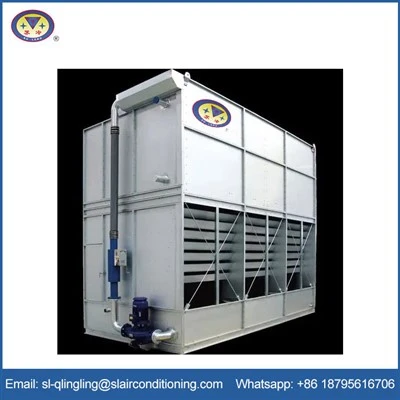
As a supplier of Quick Freezing Air Coolers, I often receive inquiries from customers about the applicability of our products in various scenarios. One common question that has piqued my interest is whether a Quick Freezing Air Cooler can be used for freezing grains. In this blog post, I will delve into this topic, exploring the scientific principles, potential benefits, and considerations associated with using a Quick Freezing Air Cooler for grain freezing.
Understanding Quick Freezing Air Coolers
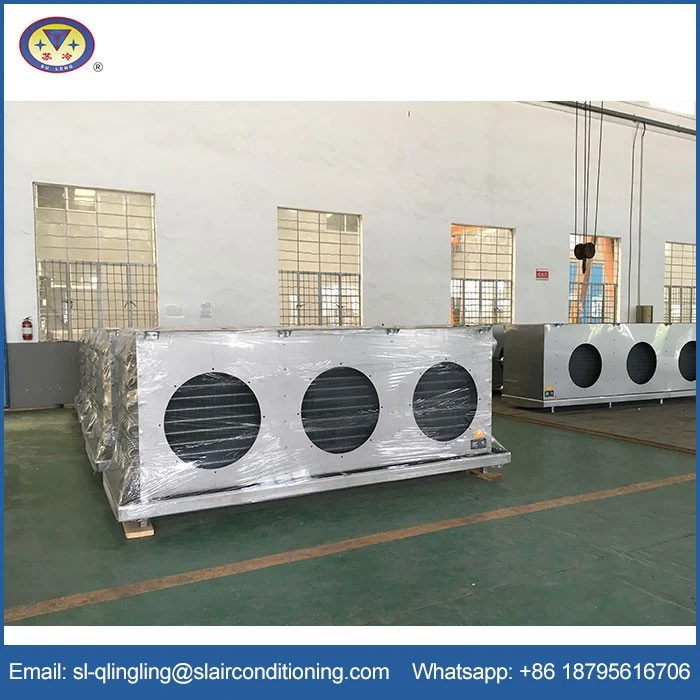
Before we discuss the use of Quick Freezing Air Coolers for grains, let's first understand what these coolers are and how they work. A Quick Freezing Air Cooler is a specialized cooling device designed to rapidly lower the temperature of a given space or product. It operates on the principle of forced convection, where cold air is circulated at high speeds to transfer heat away from the target object.
These coolers are typically equipped with powerful fans and efficient refrigeration systems, allowing them to achieve extremely low temperatures in a short period. They are commonly used in industrial and commercial settings for applications such as food freezing, cold storage, and blast freezing.
The Science of Grain Freezing
Grains, such as wheat, corn, and rice, are staple foods that play a crucial role in global food security. Proper storage of grains is essential to maintain their quality and prevent spoilage. Freezing is one method that can be used to preserve grains for an extended period.
When grains are frozen, the low temperature inhibits the growth of microorganisms, such as bacteria and fungi, which can cause spoilage. It also slows down the enzymatic reactions that can lead to the degradation of nutrients and the development of off-flavors. Additionally, freezing can help to prevent insect infestations, as most insects cannot survive in cold environments.

However, the process of freezing grains is not without its challenges. Grains are porous materials that contain a significant amount of moisture. When frozen, the water in the grains expands, which can cause the grains to crack or break. This can lead to a loss of quality and a decrease in the market value of the grains.
Using a Quick Freezing Air Cooler for Grain Freezing
Now that we understand the science behind grain freezing, let's explore whether a Quick Freezing Air Cooler can be used for this purpose. The answer is yes, a Quick Freezing Air Cooler can be used for freezing grains, but there are several factors that need to be considered.
Temperature Control
One of the most important factors in grain freezing is temperature control. Grains should be frozen at a temperature that is low enough to inhibit the growth of microorganisms but not so low that it causes the grains to crack or break. A Quick Freezing Air Cooler can be set to achieve a specific temperature, allowing for precise control of the freezing process.

Air Circulation
Proper air circulation is also crucial for effective grain freezing. A Quick Freezing Air Cooler is designed to circulate cold air at high speeds, ensuring that the grains are evenly exposed to the cold temperature. This helps to prevent the formation of hot spots and ensures that the grains are frozen uniformly.
Moisture Management
As mentioned earlier, grains contain a significant amount of moisture, which can cause problems during the freezing process. A Quick Freezing Air Cooler can help to manage the moisture content in the grains by removing excess moisture from the air. This can help to prevent the formation of ice crystals on the grains and reduce the risk of cracking or breaking.
Type of Grain
Different types of grains have different freezing requirements. For example, some grains, such as wheat and corn, can tolerate lower temperatures than others, such as rice. It is important to consider the specific requirements of the grain being frozen when using a Quick Freezing Air Cooler.
Size and Capacity
The size and capacity of the Quick Freezing Air Cooler are also important considerations. The cooler should be large enough to accommodate the volume of grains being frozen and should have the capacity to achieve the desired temperature in a reasonable amount of time.
Benefits of Using a Quick Freezing Air Cooler for Grain Freezing
There are several benefits to using a Quick Freezing Air Cooler for grain freezing.
Rapid Freezing
One of the main advantages of using a Quick Freezing Air Cooler is its ability to rapidly lower the temperature of the grains. This helps to preserve the quality of the grains by minimizing the formation of ice crystals and reducing the risk of cracking or breaking.
Uniform Freezing
The high-speed air circulation provided by a Quick Freezing Air Cooler ensures that the grains are evenly exposed to the cold temperature, resulting in uniform freezing. This helps to maintain the quality and consistency of the grains.
Energy Efficiency
Quick Freezing Air Coolers are designed to be energy-efficient, using less energy than traditional freezing methods. This can help to reduce operating costs and make grain freezing more sustainable.
Flexibility
A Quick Freezing Air Cooler can be used for a variety of applications, not just grain freezing. It can also be used for freezing other types of food products, such as meat, fish, and vegetables. This makes it a versatile and cost-effective solution for food processing and storage.
Considerations and Limitations
While a Quick Freezing Air Cooler can be an effective tool for grain freezing, there are some considerations and limitations that need to be taken into account.
Cost
Quick Freezing Air Coolers can be expensive to purchase and operate. The initial investment in the cooler and the cost of electricity can be significant, especially for large-scale grain freezing operations.
Space Requirements
These coolers require a certain amount of space to operate effectively. They need to be installed in a well-ventilated area with enough room for the cold air to circulate. This can be a challenge for some facilities, especially those with limited space.
Maintenance
Like any other piece of equipment, Quick Freezing Air Coolers require regular maintenance to ensure optimal performance. This includes cleaning the coils, checking the refrigerant levels, and replacing any worn or damaged parts. Failure to maintain the cooler properly can lead to reduced efficiency and increased operating costs.

Compatibility with Existing Equipment
If you already have existing grain storage and handling equipment, you need to ensure that the Quick Freezing Air Cooler is compatible with it. This may require some modifications or additional equipment to be installed.
Conclusion
In conclusion, a Quick Freezing Air Cooler can be used for freezing grains, but it is important to consider the specific requirements of the grain being frozen and the limitations of the cooler. When used correctly, a Quick Freezing Air Cooler can provide rapid, uniform freezing, energy efficiency, and flexibility, making it a valuable tool for grain preservation.
If you are interested in using a Quick Freezing Air Cooler for grain freezing or have any other questions about our products, please feel free to contact us for more information. Our team of experts is available to assist you in selecting the right cooler for your needs and providing you with the support and guidance you need to ensure a successful grain freezing operation.
References
- ASAE Standards. (2014). Agricultural and biological engineering standards. American Society of Agricultural and Biological Engineers.
- Heldman, D. R., & Hartel, R. W. (1997). Principles of food processing operations. Aspen Publishers.
- Karel, M., Fennema, O. R., & Lund, D. B. (1975). Physical principles of food preservation. Marcel Dekker.