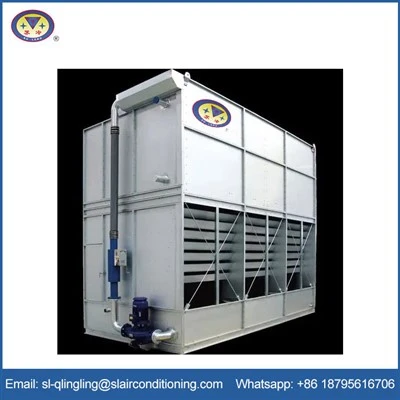
As a supplier of industrial air coolers, I've often been asked whether our products can be effectively used in printing factories. This is a valid question considering the unique environment and requirements of printing facilities. In this blog, I'll explore the feasibility of using an industrial air cooler in a printing factory, discussing the benefits, potential challenges, and the types of air coolers that might be suitable.
The Environment in a Printing Factory
Printing factories are typically characterized by high heat generation, high humidity, and the presence of various chemicals and fine particles. Printing machines, especially large - scale ones, generate a significant amount of heat during operation. The inks, solvents, and other chemicals used in the printing process can also contribute to an increase in humidity and the release of volatile organic compounds (VOCs). Additionally, fine paper dust and ink particles are often present in the air.
Benefits of Using an Industrial Air Cooler in a Printing Factory
Temperature Control
One of the primary benefits of using an industrial air cooler in a printing factory is temperature control. High temperatures can have a negative impact on the printing process. For example, excessive heat can cause the ink to dry too quickly, leading to uneven printing, smudging, or poor adhesion. It can also affect the performance of the printing equipment, potentially causing mechanical failures and reducing the lifespan of the machines. An industrial air cooler can help maintain a more stable and comfortable temperature, ensuring the quality of the printed products and the smooth operation of the equipment.
Humidity Regulation
In addition to temperature control, an industrial air cooler can also help regulate humidity. Some air coolers work on the principle of evaporative cooling, which can add a certain amount of moisture to the air. In a printing factory, maintaining the right humidity level is crucial. If the air is too dry, the paper may become brittle and prone to static electricity, which can attract dust and cause problems during the printing process. On the other hand, if the humidity is too high, the ink may not dry properly. An industrial air cooler can help strike the right balance, improving the overall printing quality.
Air Circulation and Ventilation
Industrial air coolers are designed to provide good air circulation. In a printing factory, proper air circulation is essential for removing the chemicals, VOCs, and fine particles from the air. These pollutants can be harmful to the health of the workers and can also affect the quality of the printed products. By constantly circulating the air, the air cooler can help dilute and remove these contaminants, creating a healthier and cleaner working environment.
Energy Efficiency
Compared to traditional air - conditioning systems, industrial air coolers are generally more energy - efficient. Printing factories often have large floor areas and high energy consumption. Using an industrial air cooler can significantly reduce the energy costs while still providing effective cooling. This is especially important for businesses looking to reduce their operating expenses and improve their environmental sustainability.
Potential Challenges and Solutions
Chemical and Particle Resistance
As mentioned earlier, printing factories have a high concentration of chemicals and fine particles in the air. These substances can potentially damage the air cooler. To address this issue, it's important to choose an air cooler with a high - quality filtration system. The filter should be able to capture the fine particles and prevent them from entering the air cooler. Additionally, the materials used in the construction of the air cooler should be resistant to chemicals. Some air coolers are made of corrosion - resistant materials, which can withstand the harsh chemical environment in a printing factory.
Cooling Capacity
Printing factories vary in size and the heat load they generate. It's crucial to select an air cooler with the appropriate cooling capacity. If the cooling capacity is too low, the air cooler may not be able to effectively cool the entire factory. On the other hand, if the cooling capacity is too high, it can lead to unnecessary energy consumption. A professional assessment of the factory's size, heat sources, and ventilation requirements is necessary to determine the right cooling capacity.
Noise Level
In a printing factory, there are already many noisy machines. Adding a noisy air cooler can further increase the noise level, which can be a nuisance to the workers. When choosing an air cooler, it's important to consider the noise level. Look for air coolers that are designed to operate quietly, with features such as low - noise fans and vibration - reducing components.
Types of Industrial Air Coolers Suitable for Printing Factories
Three Fans Air Cooler
The Three Fans Air Cooler is a great option for printing factories. With three fans, it can provide a large amount of air circulation, ensuring effective cooling and ventilation. The multiple fans also allow for better distribution of the cooled air, covering a larger area. This type of air cooler is often equipped with high - efficiency filters, which can effectively capture the fine particles and chemicals in the air.
An Industrial Air Cooler
Our An Industrial Air Cooler is designed to meet the specific needs of industrial environments, including printing factories. It has a robust construction and is made of high - quality, chemical - resistant materials. The air cooler is also equipped with advanced control systems, allowing for precise temperature and humidity control. It can be customized to fit the size and requirements of different printing factories.
Industrial Portable Air Cooler
For smaller printing factories or areas that require spot cooling, the Industrial Portable Air Cooler is a suitable choice. It is easy to move around and can be placed near the heat - generating equipment or in areas where the workers need immediate cooling. The portable air cooler also has a relatively low energy consumption, making it a cost - effective solution.
Conclusion
In conclusion, an industrial air cooler can be effectively used in a printing factory. It offers many benefits, including temperature control, humidity regulation, air circulation, and energy efficiency. However, it's important to be aware of the potential challenges and choose the right type of air cooler to meet the specific needs of the printing factory.
If you're a printing factory owner or manager looking for an effective cooling solution, I encourage you to contact us for a detailed consultation. Our team of experts can assess your factory's requirements and recommend the most suitable industrial air cooler for your business. We're committed to providing high - quality products and excellent customer service to help you create a comfortable and productive working environment.


References
- "Industrial Ventilation: A Manual of Recommended Practice", American Conference of Governmental Industrial Hygienists.
- "Principles of Heating, Ventilation, and Air Conditioning", ASHRAE (American Society of Heating, Refrigerating and Air - Conditioning Engineers).