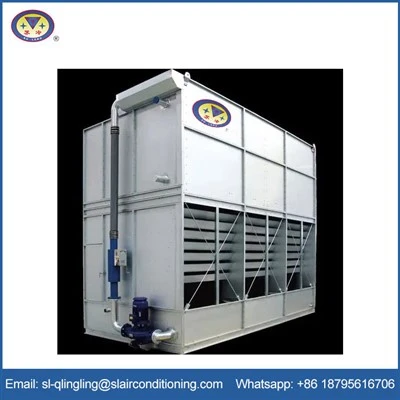
As a supplier of air cooler fans, I often receive inquiries from customers about the possibility of using essential oils in these devices. This is a topic that combines the functionality of air cooler fans with the allure of aromatherapy, a trend that has gained significant popularity in recent years. In this blog post, I'll explore the feasibility, benefits, and potential drawbacks of using essential oils in air cooler fans, providing you with the information you need to make an informed decision.
Understanding Air Cooler Fans
Before delving into the use of essential oils, it's important to understand how air cooler fans work. These devices operate on the principle of evaporative cooling. They draw in warm air from the surrounding environment, pass it through a wet cooling pad, and then expel the cooled air back into the room. The evaporation of water from the cooling pad absorbs heat from the air, resulting in a drop in temperature.
Our company offers a range of air cooler fans to suit different needs and spaces. For industrial settings, we have the An Industrial Air Cooler, which is designed to provide powerful and efficient cooling in large areas. For more portable solutions, the Industrial Portable Air Cooler is a great option, allowing you to move the cooler from one location to another as needed. And for smaller spaces, our Three Fans Air Cooler offers a compact yet effective cooling solution.
The Concept of Using Essential Oils
Essential oils are concentrated plant extracts that capture the natural fragrance and beneficial properties of the plants from which they are derived. They have been used for centuries in traditional medicine and aromatherapy for their various health and wellness benefits, including stress relief, improved sleep, and enhanced mood.

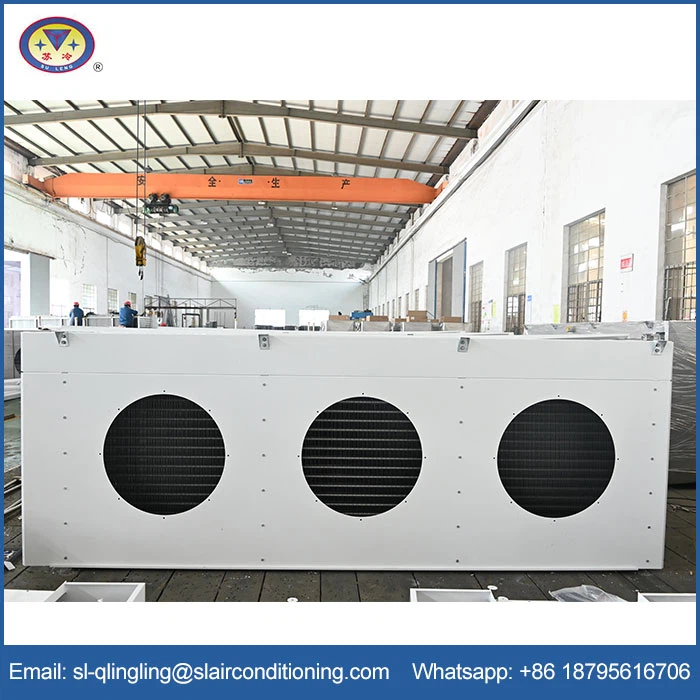
The idea of using essential oils in an air cooler fan is to combine the cooling effect of the fan with the therapeutic benefits of aromatherapy. By adding a few drops of essential oil to the water reservoir of the air cooler, the fan can disperse the fragrance throughout the room, creating a pleasant and relaxing atmosphere.
Benefits of Using Essential Oils in Air Cooler Fans
Aromatherapy Benefits
One of the primary benefits of using essential oils in an air cooler fan is the ability to enjoy the therapeutic effects of aromatherapy. Different essential oils have different properties, and you can choose the ones that best suit your needs. For example, lavender oil is known for its calming and relaxing properties, making it a great choice for promoting sleep and reducing stress. Eucalyptus oil has a refreshing and invigorating scent, and it can help to clear the sinuses and improve respiratory function.
Improved Air Quality
Some essential oils have antibacterial and antifungal properties, which can help to improve the air quality in your home or office. By adding a few drops of essential oil to the water reservoir of the air cooler, you can help to reduce the growth of bacteria and mold in the air, creating a healthier environment.
Enhanced Comfort
The pleasant fragrance of essential oils can enhance the overall comfort of your living or working space. It can make the room feel more inviting and relaxing, and it can also help to mask unpleasant odors.
Potential Drawbacks and Considerations
Damage to the Air Cooler
One of the main concerns when using essential oils in an air cooler fan is the potential damage to the device. Essential oils are highly concentrated and can be corrosive to certain materials. If the essential oil comes into contact with the internal components of the air cooler, it could cause damage to the fan motor, the cooling pad, or other parts of the device. To avoid this, it's important to use essential oils sparingly and to clean the air cooler regularly.
Allergic Reactions
Another consideration is the possibility of allergic reactions. Some people may be sensitive or allergic to certain essential oils. Before using an essential oil in your air cooler fan, it's a good idea to test it on a small area of your skin to see if you have any adverse reactions. If you experience any itching, redness, or swelling, discontinue use immediately.
Effectiveness
It's important to note that the effectiveness of using essential oils in an air cooler fan may vary. The fragrance of the essential oil may not be as strong or long-lasting as you would like, especially if the air cooler is in a large room or if there is a lot of air circulation. Additionally, the therapeutic benefits of aromatherapy are often subjective, and what works for one person may not work for another.
How to Use Essential Oils in an Air Cooler Fan
If you decide to use essential oils in your air cooler fan, here are some tips to help you do it safely and effectively:
Choose the Right Essential Oil
Select an essential oil that suits your needs and preferences. Make sure to choose a high-quality, pure essential oil from a reputable source.
Dilute the Essential Oil
Essential oils are highly concentrated and should be diluted before use. You can add a few drops of essential oil to a small amount of carrier oil, such as coconut oil or almond oil, and then add the diluted mixture to the water reservoir of the air cooler.
Use Sparingly
Start with a small amount of essential oil, such as 2-3 drops, and gradually increase the amount if needed. Using too much essential oil can not only cause damage to the air cooler but also result in an overpowering fragrance.
Clean the Air Cooler Regularly
To prevent the buildup of essential oil residue, it's important to clean the air cooler regularly. Follow the manufacturer's instructions for cleaning and maintenance.
Conclusion
In conclusion, using essential oils in an air cooler fan can be a great way to combine the cooling effect of the fan with the therapeutic benefits of aromatherapy. However, it's important to be aware of the potential drawbacks and to take the necessary precautions to ensure the safety and longevity of your air cooler.
If you're interested in purchasing an air cooler fan or have any questions about using essential oils in these devices, please don't hesitate to contact us. We're here to help you find the right solution for your needs and to provide you with the best possible customer service.
References
- Tisserand, R., & Young, R. (2014). Essential Oil Safety: A Guide for Health Care Professionals. Churchill Livingstone Elsevier.
- Buchbauer, G. (2000). Effects of odorants on the human psyche. In G. D. Presti (Ed.), Progress in Brain Research (Vol. 125, pp. 319-332). Elsevier.