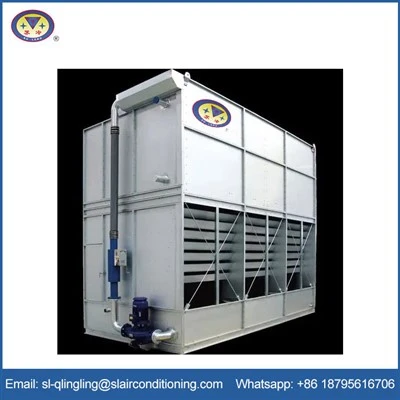
In the realm of cold room temperature control, two primary contenders stand out: cold room air coolers and traditional air conditioners. As a supplier of cold room air coolers, I've witnessed firsthand the unique advantages and limitations of each system. In this blog, I'll delve into a comprehensive comparison between these two cooling solutions, shedding light on their performance, energy efficiency, cost, and suitability for cold room environments.
Performance
When it comes to cooling performance, both cold room air coolers and traditional air conditioners have their strengths. Traditional air conditioners are known for their ability to provide precise temperature control and rapid cooling. They work by removing heat and moisture from the air through a refrigeration cycle, which involves compressing and expanding a refrigerant gas. This process allows them to maintain a consistent temperature and humidity level, making them ideal for applications that require strict environmental conditions, such as pharmaceutical storage or food processing.
On the other hand, cold room air coolers operate on a different principle. They use evaporation to cool the air, which is a natural and energy-efficient process. As water evaporates, it absorbs heat from the surrounding air, lowering its temperature. Cold room air coolers are particularly effective in dry climates, where the evaporation rate is high. They can also provide a significant amount of cooling capacity, making them suitable for large cold rooms or areas with high heat loads.
However, it's important to note that cold room air coolers may not be as effective in humid environments. In high humidity conditions, the evaporation rate is reduced, which can limit the cooling performance of the air cooler. Additionally, cold room air coolers do not remove moisture from the air, which can lead to higher humidity levels in the cold room. This can be a concern for applications that require low humidity, such as electronics storage or museums.
Energy Efficiency
Energy efficiency is a crucial factor to consider when choosing a cooling system for a cold room. Traditional air conditioners are generally less energy-efficient than cold room air coolers. This is because they rely on a refrigeration cycle, which requires a significant amount of electricity to operate. The compressor, in particular, is a major energy consumer in traditional air conditioners.
Cold room air coolers, on the other hand, are much more energy-efficient. They use a simple evaporation process, which requires only a small amount of electricity to power the fan and the water pump. In fact, cold room air coolers can use up to 80% less energy than traditional air conditioners, making them a cost-effective and environmentally friendly cooling solution.
In addition to their lower energy consumption, cold room air coolers also have a lower carbon footprint. They do not use refrigerants that contribute to global warming, such as hydrofluorocarbons (HFCs), which are commonly used in traditional air conditioners. This makes cold room air coolers a more sustainable choice for businesses that are looking to reduce their environmental impact.
Cost
The cost of a cooling system is another important consideration for businesses. Traditional air conditioners are generally more expensive to purchase and install than cold room air coolers. This is because they are more complex and require specialized equipment and installation. Additionally, traditional air conditioners have higher operating costs, due to their higher energy consumption.
Cold room air coolers, on the other hand, are much more affordable. They are simpler in design and require less equipment and installation. Additionally, cold room air coolers have lower operating costs, due to their lower energy consumption. This makes cold room air coolers a cost-effective cooling solution for businesses of all sizes.
However, it's important to note that the cost of a cooling system can vary depending on a number of factors, such as the size of the cold room, the cooling capacity required, and the specific features and options of the system. It's always a good idea to get multiple quotes from different suppliers before making a decision.


Suitability for Cold Room Environments
When choosing a cooling system for a cold room, it's important to consider the specific requirements of the environment. Traditional air conditioners are well-suited for cold rooms that require precise temperature control and low humidity levels. They are also suitable for applications that require a high level of cooling capacity, such as large cold rooms or areas with high heat loads.
Cold room air coolers, on the other hand, are better suited for cold rooms that are located in dry climates or areas with low humidity levels. They are also suitable for applications that do not require strict temperature control or low humidity levels, such as general storage or warehouses. Additionally, cold room air coolers can be a good choice for businesses that are looking for a cost-effective and energy-efficient cooling solution.
Conclusion
In conclusion, both cold room air coolers and traditional air conditioners have their advantages and limitations. Traditional air conditioners are known for their precise temperature control, rapid cooling, and ability to remove moisture from the air. They are well-suited for applications that require strict environmental conditions, such as pharmaceutical storage or food processing. Cold room air coolers, on the other hand, are more energy-efficient, cost-effective, and environmentally friendly. They are particularly effective in dry climates and are suitable for applications that do not require strict temperature control or low humidity levels.
As a supplier of cold room air coolers, I believe that cold room air coolers are a great choice for many businesses. They offer a number of benefits, including energy efficiency, cost savings, and environmental sustainability. If you're considering a cooling system for your cold room, I encourage you to explore the options available and choose the system that best meets your specific needs and requirements.
If you're interested in learning more about our Large Freezer Air Cooler, Room Cooling Unit, or Quick Freezing Air Cooler, please don't hesitate to contact us. Our team of experts is here to help you find the right cooling solution for your cold room. We can provide you with detailed information, product specifications, and pricing. We look forward to working with you to create a comfortable and efficient cold room environment.
References
- ASHRAE Handbook - Refrigeration. American Society of Heating, Refrigerating and Air-Conditioning Engineers.
- Energy Star. Energy Efficiency Guide for Commercial Buildings. U.S. Environmental Protection Agency.
- International Institute of Refrigeration. Cold Chain Management: Best Practices for Temperature-Controlled Logistics.