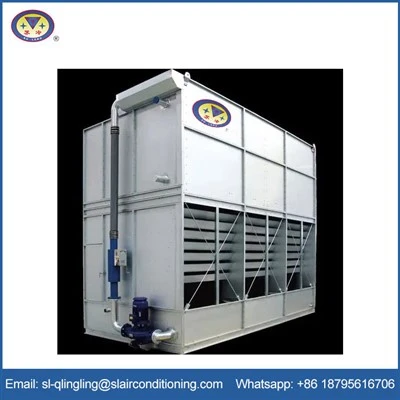
As a seasoned supplier of Quick Freezing Air Coolers, I understand the critical importance of ensuring their stable operation. In various industries such as food processing, pharmaceuticals, and scientific research, the reliable performance of these coolers is non - negotiable. Here, I will share some key strategies and practices that can help you achieve stable operation of a Quick Freezing Air Cooler.
1. Proper Installation
The first step towards stable operation starts with correct installation. A Quick Freezing Air Cooler should be installed in a well - ventilated area. Adequate space around the cooler is essential to allow for proper air circulation. When installing, make sure the unit is level. An unevenly installed cooler can cause excessive vibration, which may lead to mechanical failures over time.
It is also crucial to connect the cooler to a stable power supply. Fluctuations in voltage can damage the compressor and other electrical components of the cooler. Use a dedicated circuit with the appropriate amperage to avoid overloading. Additionally, ensure that all refrigerant lines are properly connected and insulated. Leaks in the refrigerant system can not only reduce the cooling efficiency but also pose a safety hazard.
2. Regular Maintenance
Regular maintenance is the cornerstone of stable operation. One of the most important maintenance tasks is cleaning the condenser coils. Over time, dust, dirt, and debris can accumulate on the coils, reducing their ability to transfer heat. This can cause the compressor to work harder, leading to increased energy consumption and potential overheating. Use a soft brush or a compressed air gun to clean the coils at least once every three months, depending on the operating environment.
The evaporator coils also need to be inspected and cleaned regularly. Frost buildup on the evaporator coils can impede the airflow and reduce the cooling capacity. Defrost the coils according to the manufacturer's recommendations. This can be done manually or automatically, depending on the type of cooler.
Another critical aspect of maintenance is checking the lubrication of moving parts. The compressor, fan motors, and other mechanical components require proper lubrication to operate smoothly. Check the oil levels regularly and add lubricant as needed. Also, inspect the belts and pulleys for wear and tear. Replace any worn - out parts promptly to prevent breakdowns.
3. Monitoring and Control
Implementing a comprehensive monitoring and control system is essential for stable operation. Use sensors to monitor key parameters such as temperature, pressure, and humidity. These sensors can provide real - time data, allowing you to detect any abnormalities early. For example, a sudden increase in temperature or pressure may indicate a problem with the refrigerant system or a malfunctioning component.
Modern Quick Freezing Air Coolers often come with advanced control systems that allow you to set and adjust the operating parameters. Use these controls to maintain the desired temperature and humidity levels precisely. You can also program the cooler to operate at different times of the day or week, depending on your specific needs. This not only helps to ensure stable operation but also reduces energy consumption.
4. Quality Components and Spare Parts
Using high - quality components and spare parts is crucial for the long - term stability of a Quick Freezing Air Cooler. When purchasing a cooler, choose a reputable manufacturer that uses reliable components. This includes the compressor, fan motors, sensors, and valves. High - quality components are more durable and less likely to fail, reducing the risk of downtime.
It is also important to keep a stock of essential spare parts on hand. This can significantly reduce the repair time in case of a breakdown. Some common spare parts that you should consider stocking include filters, belts, capacitors, and thermostats. Make sure to purchase spare parts from the same manufacturer or a trusted supplier to ensure compatibility.
5. Operator Training
Proper operator training is often overlooked but is vital for stable operation. Operators should be trained on how to operate the Quick Freezing Air Cooler correctly, including starting and stopping procedures, setting the operating parameters, and performing basic maintenance tasks. They should also be trained to recognize the signs of potential problems and know when to contact a professional for assistance.
Regular training sessions can help operators stay up - to - date with the latest operating procedures and safety guidelines. This can improve the overall efficiency of the cooler and reduce the risk of operator - induced errors.
6. Environmental Considerations
The operating environment can have a significant impact on the stability of a Quick Freezing Air Cooler. High ambient temperatures, high humidity, and dusty environments can all affect the performance of the cooler. If possible, install the cooler in a controlled environment. For example, in a food processing facility, the cooler should be installed in a cleanroom or a well - ventilated area with proper air filtration.
In areas with high humidity, use a dehumidifier to reduce the moisture content in the air. This can prevent frost buildup on the coils and improve the cooling efficiency. Also, protect the cooler from direct sunlight and extreme weather conditions. Outdoor coolers should be installed in a shaded area and have proper weatherproofing.

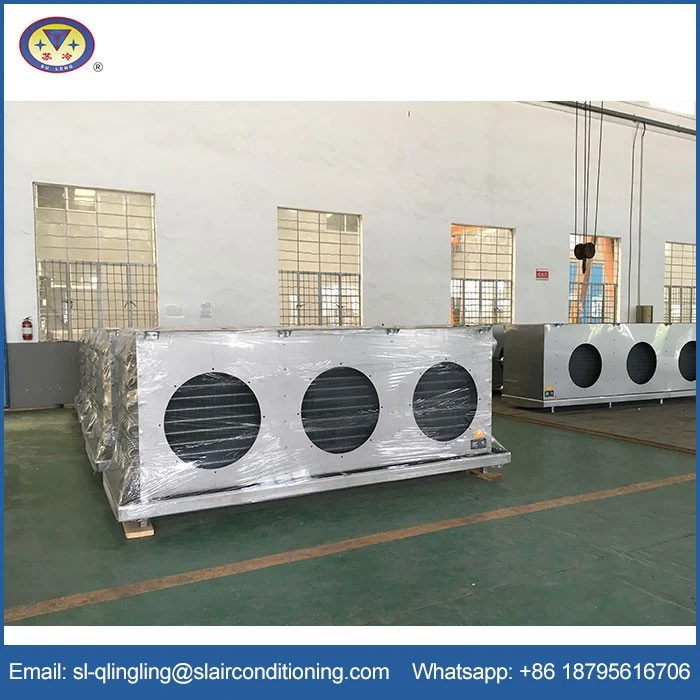
7. System Upgrades
As technology advances, consider upgrading your Quick Freezing Air Cooler to improve its stability and performance. Newer models often come with more advanced features such as energy - efficient compressors, intelligent control systems, and improved insulation. Upgrading can not only enhance the cooling efficiency but also reduce the maintenance requirements.
Before upgrading, consult with a professional to determine the most suitable upgrades for your specific needs. They can help you evaluate the cost - effectiveness of the upgrades and ensure that they are compatible with your existing system.
In conclusion, ensuring the stable operation of a Quick Freezing Air Cooler requires a combination of proper installation, regular maintenance, monitoring and control, use of quality components, operator training, environmental considerations, and system upgrades. By following these strategies, you can maximize the lifespan of your cooler, reduce energy consumption, and minimize the risk of breakdowns.
If you are in the market for a Quick Freezing Air Cooler or a Vertical Type Blast Freezing Air Cooler, we are here to provide you with high - quality products and professional advice. We also offer a range of Room Cooling Unit solutions to meet your different needs. If you have any questions or are interested in purchasing our products, please feel free to contact us for a detailed discussion.
References
- ASHRAE Handbook of Refrigeration. American Society of Heating, Refrigerating and Air - Conditioning Engineers.
- Manufacturer's manuals for Quick Freezing Air Coolers.
- Industry standards and guidelines for refrigeration systems.