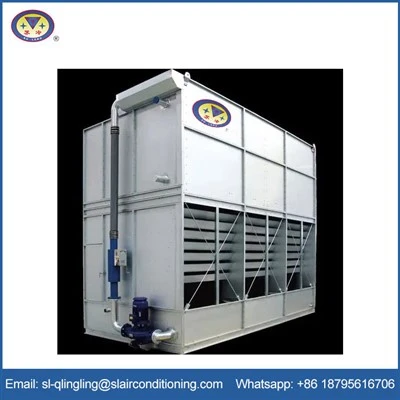
Monitoring the performance of a water condenser from air is crucial for ensuring its efficient operation, longevity, and cost - effectiveness. As a supplier of Water Condenser From Air, I understand the significance of providing customers with the knowledge to maintain and monitor these systems properly. In this blog, I will share some key methods and considerations for monitoring the performance of a water condenser from air.
Understanding the Basics of a Water Condenser from Air
Before delving into the monitoring process, it's essential to understand how a water condenser from air works. These condensers use air as the cooling medium to condense water vapor. The process involves passing the hot vapor through a series of tubes or coils, where the air flowing over the surface of these components removes heat from the vapor, causing it to condense back into a liquid state.
The efficiency of this process depends on several factors, including the temperature and humidity of the incoming air, the surface area of the heat - exchange components, and the flow rate of both the air and the vapor. By monitoring these factors, we can assess the performance of the condenser and identify any potential issues.
Key Performance Indicators (KPIs)
Temperature
Temperature is one of the most critical KPIs for a water condenser from air. There are two main temperature measurements to consider: the inlet and outlet temperatures of both the air and the water vapor.
- Air Inlet and Outlet Temperatures: The difference between the air inlet and outlet temperatures indicates how much heat the air has absorbed from the water vapor. A significant temperature increase in the air as it passes through the condenser suggests efficient heat transfer. If the temperature difference is too small, it could indicate a problem such as a clogged air filter, insufficient air flow, or a malfunctioning fan.
- Vapor Inlet and Outlet Temperatures: Monitoring the temperature of the water vapor at the inlet and outlet of the condenser helps determine the effectiveness of the condensation process. A large drop in vapor temperature indicates that a significant amount of heat has been removed, and the vapor is condensing properly.
Pressure
Pressure measurements are also vital for assessing condenser performance.
- Vapor Pressure: The pressure of the water vapor at the inlet and outlet of the condenser can provide insights into the condensation process. A decrease in vapor pressure as it passes through the condenser is expected as the vapor condenses into a liquid. If the pressure drop is not as significant as expected, it could indicate a blockage in the system or a problem with the condenser tubes.
- Air Pressure: Monitoring the air pressure across the condenser can help detect issues with air flow. A significant pressure drop across the condenser may suggest a clogged air filter or a restriction in the air duct.
Flow Rate
- Air Flow Rate: The rate at which air passes through the condenser affects the heat - transfer efficiency. Insufficient air flow can lead to poor condensation performance, while excessive air flow may waste energy. Using an anemometer to measure the air velocity at various points in the condenser can help ensure that the air flow rate is within the recommended range.
- Water Flow Rate: For condensers that use a water - cooled pre - cooling or post - cooling system, monitoring the water flow rate is essential. A proper water flow rate is necessary to maintain the desired temperature and pressure conditions within the condenser.
Monitoring Methods
Manual Monitoring
Manual monitoring involves taking periodic measurements of the KPIs using various instruments.


- Thermometers: Thermometers can be used to measure the temperature of the air and the water vapor at different points in the condenser. Digital thermometers are more accurate and easier to read than traditional mercury thermometers.
- Pressure Gauges: Pressure gauges can be installed at the inlet and outlet of the condenser to measure the vapor and air pressures. These gauges should be calibrated regularly to ensure accurate readings.
- Flow Meters: Flow meters can be used to measure the air and water flow rates. There are different types of flow meters available, such as turbine flow meters and ultrasonic flow meters, each with its own advantages and limitations.
Automated Monitoring Systems
Automated monitoring systems offer a more convenient and accurate way to monitor the performance of a water condenser from air. These systems use sensors to continuously measure the KPIs and transmit the data to a central control unit.
- Sensor Installation: Temperature sensors, pressure sensors, and flow sensors can be installed at strategic points in the condenser to provide real - time data. These sensors are typically connected to a data logger or a programmable logic controller (PLC).
- Data Analysis: The data collected by the sensors can be analyzed using software to identify trends and patterns. This analysis can help predict potential issues before they cause significant problems and allow for proactive maintenance.
Troubleshooting Based on Monitoring Results
Low Temperature Difference
If the temperature difference between the air inlet and outlet or the vapor inlet and outlet is lower than expected, the following steps can be taken:
- Check the Air Filter: A clogged air filter can restrict air flow, reducing the heat - transfer efficiency. Replace the air filter if it is dirty.
- Inspect the Fan: A malfunctioning fan may not be providing sufficient air flow. Check the fan motor, blades, and belts for any signs of damage or wear.
- Look for Blockages in the Condenser Tubes: Blockages in the condenser tubes can prevent proper heat transfer. Use a borescope to inspect the tubes for any debris or corrosion.
High Pressure Drop
A high pressure drop across the condenser can be caused by:
- Clogged Air Filter: As mentioned earlier, a clogged air filter can cause a significant pressure drop. Replace the filter to restore normal air flow.
- Blockage in the Air Duct: Check the air duct for any obstructions, such as debris or collapsed sections. Clear the blockage to improve air flow.
- Fouling of the Condenser Tubes: Over time, the condenser tubes can become fouled with dirt, scale, or corrosion. Cleaning the tubes can help reduce the pressure drop and improve performance.
The Role of Regular Maintenance
Regular maintenance is essential for ensuring the optimal performance of a water condenser from air. In addition to monitoring the KPIs, the following maintenance tasks should be performed:
- Filter Replacement: Replace air filters at regular intervals to prevent clogging and ensure proper air flow.
- Cleaning the Condenser Tubes: Clean the condenser tubes periodically to remove dirt, scale, and corrosion. This can improve heat - transfer efficiency and reduce the risk of blockages.
- Lubrication of Moving Parts: Lubricate the fan motor, bearings, and other moving parts to reduce friction and wear.
- Inspection of Electrical Components: Check the electrical connections, wiring, and controls for any signs of damage or wear. Loose connections or faulty components can cause system malfunctions.
Conclusion
Monitoring the performance of a water condenser from air is a complex but essential task. By understanding the key performance indicators, using appropriate monitoring methods, and performing regular maintenance, you can ensure that your condenser operates efficiently and reliably.
As a supplier of Water Condenser From Air, we are committed to providing high - quality products and supporting our customers in maintaining and optimizing their condenser systems. If you are interested in learning more about our Industrial Water Condenser or Air Condenser Unit products, or if you have any questions about condenser performance monitoring, please feel free to contact us for a detailed discussion and potential procurement opportunities.
References
- ASHRAE Handbook - HVAC Systems and Equipment. American Society of Heating, Refrigerating and Air - Conditioning Engineers.
- "Principles of Heat Transfer" by Frank Kreith and Mark S. Bohn.