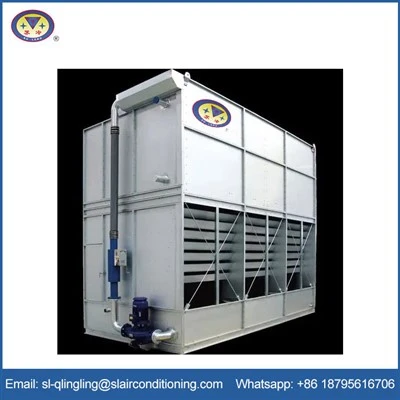
As a seasoned supplier of industrial air coolers, I've witnessed firsthand the detrimental effects of chemical corrosion on these essential pieces of equipment. Chemical corrosion can significantly reduce the lifespan of industrial air coolers, lead to costly repairs, and even pose safety risks in industrial settings. In this blog post, I'll share some effective strategies on how to protect industrial air coolers from chemical corrosion, ensuring their optimal performance and longevity.
Understanding Chemical Corrosion in Industrial Air Coolers
Before delving into protective measures, it's crucial to understand what chemical corrosion is and how it affects industrial air coolers. Chemical corrosion is a natural process that occurs when metal components of the air cooler react with chemicals in the environment, such as acids, alkalis, and salts. These chemical reactions can cause the metal to deteriorate, leading to rust, pitting, and structural damage.
In industrial settings, air coolers are often exposed to a variety of corrosive substances. For example, in chemical plants, they may come into contact with acidic or alkaline fumes. In coastal areas, the presence of saltwater in the air can accelerate corrosion. Even in normal industrial environments, dust and pollutants can contain corrosive elements that can gradually damage the air cooler.
Selecting Corrosion-Resistant Materials
One of the most effective ways to protect industrial air coolers from chemical corrosion is to use corrosion-resistant materials during the manufacturing process. At our company, we offer a range of air coolers made from high-quality materials that are specifically designed to withstand chemical attack.
- Stainless Steel: Stainless steel is a popular choice for industrial air coolers due to its excellent corrosion resistance. It contains chromium, which forms a thin, protective oxide layer on the surface of the metal, preventing further corrosion. We use different grades of stainless steel depending on the specific application and the level of corrosion risk. For example, in highly corrosive environments, we may recommend using austenitic stainless steels such as 316L, which has a higher molybdenum content and offers better resistance to pitting and crevice corrosion.
- Aluminum: Aluminum is another lightweight and corrosion-resistant material commonly used in air cooler construction. It forms a natural oxide layer on its surface, which provides some protection against corrosion. However, in certain environments, such as those with high levels of chlorides, additional protective coatings may be required. We often use anodized aluminum, which has a thicker and more durable oxide layer, to enhance its corrosion resistance.
- Plastic and Composite Materials: In some cases, plastic and composite materials can be used for certain components of the air cooler, such as the housing or the fan blades. These materials are not only corrosion-resistant but also lightweight and cost-effective. For example, we offer Ceiling Mounted Evaporative Cooler with plastic enclosures that are resistant to chemical damage and easy to clean.
Applying Protective Coatings
In addition to using corrosion-resistant materials, applying protective coatings can further enhance the corrosion resistance of industrial air coolers. Protective coatings act as a barrier between the metal surface and the corrosive environment, preventing direct contact and reducing the risk of corrosion.
- Epoxy Coatings: Epoxy coatings are widely used in the industrial sector due to their excellent adhesion, chemical resistance, and durability. They can be applied to the metal surface of the air cooler to provide a protective layer that resists a wide range of chemicals, including acids, alkalis, and solvents. We offer air coolers with epoxy-coated surfaces that are specifically formulated for industrial applications, ensuring long-term protection against corrosion.
- Polyurethane Coatings: Polyurethane coatings are known for their high flexibility, abrasion resistance, and UV resistance. They can be used to protect the exterior of the air cooler from environmental factors such as sunlight, moisture, and dust. Polyurethane coatings also provide a smooth and easy-to-clean surface, which helps to maintain the appearance and performance of the air cooler.
- Zinc Coatings: Zinc coatings, such as hot-dip galvanizing, are commonly used to protect steel components from corrosion. Zinc acts as a sacrificial anode, meaning that it corrodes preferentially to the steel, protecting the underlying metal. We use hot-dip galvanized steel in the construction of some of our air coolers to provide an additional layer of protection against corrosion, especially in outdoor or coastal environments.
Implementing Proper Maintenance and Cleaning Procedures
Regular maintenance and cleaning are essential for preventing chemical corrosion in industrial air coolers. By keeping the air cooler clean and free of debris, you can reduce the accumulation of corrosive substances on the surface of the equipment.
- Inspection: Conduct regular inspections of the air cooler to check for signs of corrosion, such as rust, pitting, or discoloration. Look for any loose or damaged components that may need to be repaired or replaced. Early detection of corrosion can help to prevent further damage and extend the lifespan of the air cooler.
- Cleaning: Clean the air cooler regularly using a mild detergent and water. Avoid using abrasive cleaners or solvents that may damage the protective coatings or the metal surface. Pay special attention to areas where dust and debris tend to accumulate, such as the fins and the fan blades. For Ceiling Type Ammonia Air Cooler, it's important to follow the manufacturer's cleaning instructions to ensure proper maintenance.
- Lubrication: Lubricate the moving parts of the air cooler, such as the fan motor and the bearings, regularly to prevent friction and wear. Use a high-quality lubricant that is compatible with the materials used in the air cooler. Proper lubrication can help to reduce the risk of corrosion and ensure smooth operation of the equipment.
Controlling the Operating Environment
Another important factor in protecting industrial air coolers from chemical corrosion is to control the operating environment. By minimizing the exposure of the air cooler to corrosive substances, you can significantly reduce the risk of corrosion.


- Ventilation: Ensure proper ventilation in the industrial facility to remove corrosive fumes and pollutants from the air. Install exhaust fans or ventilation systems to maintain a clean and dry environment around the air cooler. Good ventilation can also help to prevent the buildup of moisture, which can contribute to corrosion.
- Filtration: Use air filters to remove dust, dirt, and other contaminants from the incoming air. This can help to reduce the amount of corrosive substances that come into contact with the air cooler. Regularly replace the air filters to ensure their effectiveness.
- Temperature and Humidity Control: Maintain a stable temperature and humidity level in the operating environment. High humidity can accelerate corrosion, especially in the presence of corrosive substances. Use dehumidifiers or air conditioning systems to control the humidity level and prevent condensation on the surface of the air cooler.
Conclusion
Protecting industrial air coolers from chemical corrosion is essential for ensuring their reliable performance and longevity. By selecting corrosion-resistant materials, applying protective coatings, implementing proper maintenance and cleaning procedures, and controlling the operating environment, you can significantly reduce the risk of corrosion and extend the lifespan of your air cooler.
As a leading supplier of industrial air coolers, we are committed to providing high-quality products that are designed to withstand the challenges of industrial environments. Our range of air coolers, including Ceiling Mounted Evaporative Cooler, Ceiling Type Ammonia Air Cooler, and Cool Air From Ceiling Fan, are built to last and offer excellent corrosion resistance.
If you're interested in learning more about our industrial air coolers or need advice on protecting your equipment from chemical corrosion, please don't hesitate to contact us. Our team of experts is ready to assist you with your specific requirements and help you find the best solution for your industrial cooling needs.
References
- Fontana, M. G. (1986). Corrosion Engineering. McGraw-Hill.
- Uhlig, H. H., & Revie, R. W. (1985). Corrosion and Corrosion Control. Wiley-Interscience.
- ASM Handbook, Volume 13A: Corrosion: Fundamentals, Testing, and Protection. ASM International.