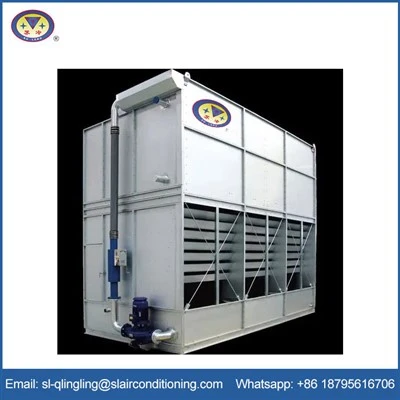
Hey there! I'm an industrial air cooler supplier, and I know how frustrating it can be when your cooler starts acting up. Sometimes, all it takes is replacing a few components to get it running like new again. In this blog post, I'll walk you through the process of replacing the components of an industrial air cooler.
1. Safety First
Before you start tinkering with your industrial air cooler, safety should be your top priority. First off, turn off the power supply to the cooler. You don't want to risk getting electrocuted while you're working on it. Also, make sure the cooler has had enough time to cool down if it was running recently. Hot components can cause burns. Wear appropriate safety gear, like gloves and safety glasses, to protect yourself from any sharp edges or debris.
2. Identifying the Problem
The first step in replacing components is to figure out what's wrong with your air cooler. Is it not cooling as effectively as it used to? Is there a strange noise coming from it? Maybe there's a leak. Once you've identified the problem, you can narrow down the list of components that might need replacement.
For example, if the cooler isn't cooling well, the issue could be with the cooling pads. Over time, these pads can get clogged with dirt and debris, reducing their ability to cool the air. If there's a strange noise, it could be a problem with the fan motor or the belts. And if there's a leak, the water pump or the water tank might be the culprit.
3. Gathering the Tools
Once you know what components need to be replaced, it's time to gather the necessary tools. The tools you'll need can vary depending on the component you're replacing, but some common ones include:
- Screwdrivers (both flathead and Phillips)
- Pliers
- Wrenches
- A multimeter (to test electrical components)
- A clean cloth or brush for cleaning
4. Replacing the Cooling Pads
Let's start with replacing the cooling pads. These are a crucial part of the air cooler as they help in the evaporation process that cools the air.
- Remove the access panel: Use your screwdriver to remove the screws holding the access panel in place. Set the screws aside in a safe place so you don't lose them.
- Take out the old cooling pads: Carefully remove the old cooling pads from their holders. They might be a bit dirty, so be prepared for that.
- Clean the area: Use a clean cloth or brush to clean the area where the cooling pads were sitting. Remove any dirt or debris that has accumulated.
- Install the new cooling pads: Place the new cooling pads in the holders, making sure they fit snugly. Replace the access panel and secure it with the screws.
If you're interested in a Ceiling Evaporative Cooler, which also uses cooling pads, this process will be similar.
5. Replacing the Fan Motor
The fan motor is responsible for circulating the air through the cooler. If it's not working properly, you'll notice a significant reduction in the airflow.
- Disconnect the power: As always, make sure the power is off before you start working on the fan motor.
- Locate the fan motor: It's usually located near the fan blades. You might need to remove some covers or panels to access it.
- Disconnect the wires: Use your pliers to carefully disconnect the wires from the fan motor. Make sure you remember which wire goes where, or you can take a picture for reference.
- Remove the mounting bolts: Use a wrench to remove the bolts holding the fan motor in place.
- Take out the old fan motor: Carefully lift out the old fan motor and set it aside.
- Install the new fan motor: Place the new fan motor in the same position as the old one and secure it with the mounting bolts. Reconnect the wires, double - checking that they're connected correctly.
6. Replacing the Water Pump
The water pump is responsible for circulating water through the cooler. If it's not working, the cooling pads won't get wet, and the cooler won't function properly.
- Turn off the water supply: If your cooler is connected to a water source, turn off the water supply.
- Locate the water pump: It's usually located near the water tank.
- Disconnect the hoses: Use your pliers to disconnect the hoses from the water pump.
- Remove the mounting screws: Use a screwdriver to remove the screws holding the water pump in place.
- Take out the old water pump: Carefully lift out the old water pump and set it aside.
- Install the new water pump: Place the new water pump in the same position as the old one and secure it with the mounting screws. Reconnect the hoses.
7. Replacing the Belts
If your air cooler has belts, they can wear out over time and need to be replaced.
- Locate the belts: They're usually connected to the fan motor and the fan blades.
- Loosen the tension: Use a wrench to loosen the tension on the belts. This will make it easier to remove them.
- Remove the old belts: Carefully slide the old belts off the pulleys.
- Install the new belts: Place the new belts on the pulleys and adjust the tension so that they're not too loose or too tight.
8. Testing the Cooler
After you've replaced the components, it's time to test the cooler. Turn on the power and the water supply (if applicable). Listen for any strange noises and check if the cooler is cooling the air effectively. If everything seems to be working fine, you're good to go!
9. Maintenance Tips
To avoid having to replace components too often, here are some maintenance tips:
- Clean the cooling pads regularly. You can do this by soaking them in a mild detergent solution and rinsing them thoroughly.
- Check the belts for wear and tear every few months.
- Keep the water tank clean to prevent the growth of algae and bacteria.
If you're in the market for a new industrial air cooler, we have a great selection. Our Ceiling Mounted Spot Cooler and Ceiling Mounted Air Cooler are both high - quality options that can provide efficient cooling for your industrial space.


If you have any questions about replacing components or are interested in purchasing an industrial air cooler, don't hesitate to reach out. We're here to help you keep your workspace cool and comfortable.
References
- Industrial Air Cooler User Manuals
- HVAC Industry Guides on Component Replacement