Upgrading an old air condenser unit can be a cost - effective and energy - efficient solution for both residential and commercial spaces. As a supplier of air condenser units, I've witnessed firsthand the benefits that come with upgrading these essential systems. In this blog, I'll share some comprehensive steps on how to upgrade an old air condenser unit.
Step 1: Assess the Current Condition
The first step in upgrading an old air condenser unit is to conduct a thorough assessment of its current condition. Check for visible signs of wear and tear, such as rust, leaks, or damaged fins. Listen for any unusual noises when the unit is running, as this could indicate mechanical problems. Measure the energy consumption of the unit over a period of time to understand its efficiency. You can use a power meter to get accurate readings.
If the unit is constantly breaking down or consuming an excessive amount of energy, it might be a strong indication that an upgrade is necessary. Also, consider the age of the unit. Most air condenser units have a lifespan of 10 - 15 years. If your unit is approaching or has exceeded this age, an upgrade is likely to be a wise investment.
Step 2: Determine Your Cooling Needs
Before choosing a new air condenser unit, you need to accurately determine your cooling needs. This depends on several factors, including the size of the space to be cooled, the number of occupants, the amount of heat - generating equipment in the area, and the local climate.


For residential spaces, you can calculate the square footage of the rooms that need cooling. As a general rule of thumb, you'll need around 20 - 25 BTUs (British Thermal Units) per square foot. However, if your home has high ceilings, large windows, or is located in a hot climate, you may need a higher BTU rating.
In commercial settings, the calculations are more complex. You'll need to consider the type of business, the layout of the building, and the peak occupancy. For example, a data center with a large number of servers will require a high - capacity air condenser unit to remove the heat generated by the equipment.
Step 3: Research Different Types of Condenser Units
There are several types of air condenser units available in the market, each with its own advantages and disadvantages.
- Air - Cooled Condensers: These are the most common type of condenser units. They use air to remove heat from the refrigerant. They are relatively easy to install and maintain, but they are less energy - efficient compared to other types, especially in hot climates.
- Water Cooled Refrigeration Condenser: Water - cooled condensers use water to cool the refrigerant. They are more energy - efficient than air - cooled condensers, especially in areas with a reliable water supply. However, they require a water source and a proper drainage system, which can increase the installation complexity.
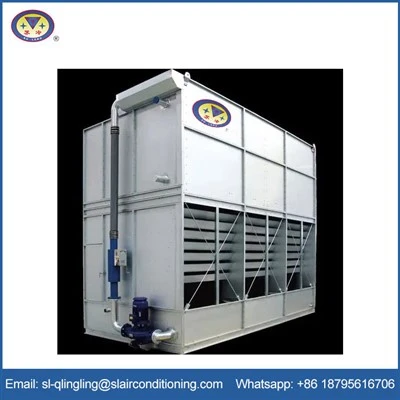
- Industrial Evaporative Condenser: Industrial evaporative condensers combine the principles of water cooling and evaporation to remove heat. They are highly efficient and are commonly used in large - scale industrial applications. They are more expensive to install but can result in significant energy savings over time.
- Water Condenser From Air: This type of condenser extracts water from the air and uses it for cooling. It is a relatively new technology that can be a good option in areas with high humidity.
Step 4: Select the Right Unit
Once you've determined your cooling needs and researched different types of condenser units, it's time to select the right unit for your specific requirements. Consider the following factors:
- Energy Efficiency: Look for units with a high SEER (Seasonal Energy Efficiency Ratio) rating. A higher SEER rating means the unit will consume less energy to provide the same amount of cooling, resulting in lower energy bills.
- Size and Capacity: Make sure the unit you choose has the appropriate capacity to cool your space effectively. An undersized unit will struggle to cool the area, while an oversized unit will cycle on and off frequently, leading to increased wear and tear and higher energy consumption.
- Brand and Reputation: Choose a reputable brand that offers good customer support and a warranty. Read reviews from other customers to get an idea of the unit's reliability and performance.
- Cost: Consider the upfront cost of the unit as well as the long - term operating costs. While a more expensive unit may have a higher upfront cost, it could save you money in the long run due to its energy efficiency.
Step 5: Plan for Installation
Proper installation is crucial for the optimal performance of your new air condenser unit. If you're not experienced in HVAC installation, it's recommended to hire a professional HVAC contractor.
The contractor will need to prepare the installation site. This may involve removing the old unit, ensuring a level and stable foundation for the new unit, and connecting the necessary electrical and refrigerant lines. They will also need to check the ductwork to ensure proper airflow.
Before the installation, make sure to obtain any necessary permits from your local building department. This is important to ensure that the installation meets all safety and building code requirements.
Step 6: Remove the Old Unit
If you're replacing an old air condenser unit, the first step in the installation process is to remove the old unit. This should be done carefully to avoid any damage to the surrounding area.
The HVAC contractor will start by shutting off the power to the unit. They will then disconnect the refrigerant lines, electrical connections, and any other attachments. Once the unit is disconnected, it can be safely removed from its location.
It's important to dispose of the old unit properly. Many HVAC contractors will handle the disposal for you, ensuring that it is recycled or disposed of in an environmentally friendly manner.
Step 7: Install the New Unit
After the old unit has been removed, the new air condenser unit can be installed. The contractor will place the unit on the prepared foundation and secure it in place. They will then connect the refrigerant lines, electrical wiring, and any other necessary components.
Once the unit is connected, the contractor will perform a series of tests to ensure that it is working properly. This includes checking the refrigerant levels, the electrical connections, and the airflow. They will also calibrate the unit to ensure optimal performance.
Step 8: Maintenance and Monitoring
After the installation is complete, it's important to establish a regular maintenance schedule for your new air condenser unit. This will help to ensure its longevity and optimal performance.
- Cleaning: Regularly clean the condenser coils to remove dirt, debris, and dust. This will improve the unit's efficiency and prevent overheating.
- Filter Replacement: Replace the air filters regularly to ensure proper airflow and to prevent the buildup of dirt and contaminants.
- Inspections: Have the unit inspected by a professional HVAC technician at least once a year. They can check for any potential problems and perform any necessary repairs or adjustments.
Monitoring the performance of your air condenser unit is also important. Keep an eye on your energy bills to see if there are any significant changes. If you notice a sudden increase in energy consumption or if the unit is not cooling effectively, it could be a sign of a problem.
Conclusion
Upgrading an old air condenser unit can be a rewarding investment. It can improve the comfort of your space, reduce your energy consumption, and save you money in the long run. As a supplier of air condenser units, I'm here to help you through every step of the process. Whether you need assistance in choosing the right unit, understanding the installation process, or maintaining your new unit, feel free to reach out to us. We're dedicated to providing high - quality products and excellent customer service. If you're interested in upgrading your air condenser unit, contact us today to start the procurement and installation process.
References
- ASHRAE Handbook - HVAC Systems and Equipment. American Society of Heating, Refrigerating and Air - Conditioning Engineers.
- Energy Star. Energy - efficient HVAC equipment. Available from the official Energy Star website.
- Manufacturer's manuals for various air condenser units.