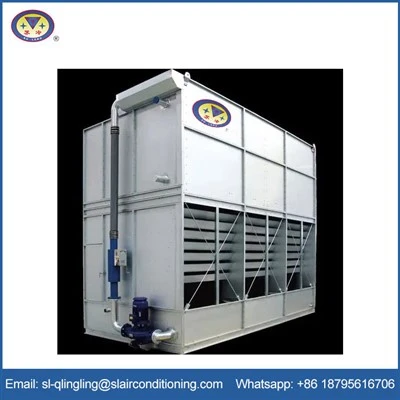
Hey there! As a supplier of industrial air coolers, I've been getting a ton of questions lately about the temperature and humidity control requirements for data centers. So, I thought I'd write this blog to share some insights and help you understand what it takes to keep those servers cool and happy.
Why Temperature and Humidity Matter in Data Centers
First off, let's talk about why temperature and humidity control are so crucial in data centers. Data centers are home to a massive amount of servers and equipment that generate a whole lot of heat. If the temperature gets too high, it can cause the servers to overheat, leading to system failures, data loss, and even permanent damage. On the other hand, if the humidity is too high, it can cause condensation, which can also damage the equipment. And if the humidity is too low, it can lead to static electricity, which can fry the sensitive components.
So, maintaining the right temperature and humidity levels is essential for the reliable operation of data centers. It not only helps to prevent downtime and data loss but also extends the lifespan of the equipment, reducing the overall cost of ownership.
Temperature Control Requirements
The ideal temperature range for data centers typically falls between 18°C and 27°C (64°F and 81°F). However, this can vary depending on the specific requirements of the equipment and the type of data center. For example, some high-performance servers may require a lower temperature range of 15°C to 20°C (59°F to 68°F) to operate optimally.
To achieve and maintain the desired temperature levels, industrial air coolers play a crucial role. These coolers are designed to remove heat from the air and circulate cool air throughout the data center. They use a variety of technologies, such as evaporative cooling, refrigeration, and air circulation, to provide efficient and effective cooling.
Evaporative Cooling
Evaporative cooling is a popular and energy-efficient method of cooling data centers. It works by using the natural process of evaporation to cool the air. When water evaporates, it absorbs heat from the surrounding air, causing the temperature to drop. Industrial air coolers that use evaporative cooling typically consist of a water reservoir, a pump, and a cooling pad. The pump circulates water from the reservoir to the cooling pad, where it evaporates, cooling the air that passes through the pad.
One of the advantages of evaporative cooling is that it uses less energy than traditional refrigeration systems. It also provides a more natural and comfortable cooling effect, as the air is not dried out like it is with refrigeration. However, evaporative cooling is most effective in dry climates, as the efficiency of the cooling process decreases as the humidity increases.
If you're interested in evaporative cooling solutions for your data center, you might want to check out our Ceiling Evaporative Cooler and Ceiling Mounted Evaporative Cooler. These coolers are designed to provide efficient and effective cooling for large spaces, such as data centers.
Refrigeration
Refrigeration is another common method of cooling data centers. It works by using a refrigerant to absorb heat from the air and transfer it to the outside environment. Industrial air coolers that use refrigeration typically consist of a compressor, a condenser, an expansion valve, and an evaporator. The compressor compresses the refrigerant, increasing its temperature and pressure. The hot refrigerant then flows through the condenser, where it releases heat to the outside environment. The cooled refrigerant then passes through the expansion valve, where its pressure is reduced, causing it to evaporate. The evaporator absorbs heat from the air, cooling it down.
Refrigeration systems are more effective than evaporative cooling in humid climates, as they can remove both heat and moisture from the air. However, they also use more energy than evaporative cooling systems, which can result in higher operating costs.
Air Circulation
In addition to cooling, proper air circulation is also essential for maintaining the right temperature levels in data centers. Air circulation helps to distribute the cool air evenly throughout the data center, preventing hot spots and ensuring that all the equipment is operating at the same temperature.


Industrial air coolers that use air circulation typically consist of fans and ducts. The fans draw in the hot air from the data center and blow it through the cooling system. The cooled air is then distributed back into the data center through the ducts.
Humidity Control Requirements
The ideal humidity range for data centers typically falls between 40% and 60%. However, this can also vary depending on the specific requirements of the equipment and the type of data center. For example, some high-performance servers may require a lower humidity range of 30% to 50% to operate optimally.
To achieve and maintain the desired humidity levels, industrial air coolers can also be used. They can be equipped with humidifiers or dehumidifiers to add or remove moisture from the air, respectively.
Humidifiers
Humidifiers are used to add moisture to the air when the humidity levels are too low. They work by spraying water into the air in the form of a fine mist. The water then evaporates, increasing the humidity levels.
There are several types of humidifiers available, including ultrasonic humidifiers, evaporative humidifiers, and steam humidifiers. Ultrasonic humidifiers use high-frequency vibrations to create a fine mist of water. Evaporative humidifiers use a wick or filter to absorb water and then release it into the air as it evaporates. Steam humidifiers heat water to create steam, which is then released into the air.
Dehumidifiers
Dehumidifiers are used to remove moisture from the air when the humidity levels are too high. They work by cooling the air below its dew point, causing the moisture to condense and collect in a reservoir. The dry air is then reheated and returned to the data center.
There are several types of dehumidifiers available, including refrigerant dehumidifiers, desiccant dehumidifiers, and absorption dehumidifiers. Refrigerant dehumidifiers use a refrigerant to cool the air and remove moisture. Desiccant dehumidifiers use a desiccant material, such as silica gel, to absorb moisture from the air. Absorption dehumidifiers use a liquid absorbent, such as lithium chloride, to remove moisture from the air.
Choosing the Right Industrial Air Cooler
When choosing an industrial air cooler for your data center, there are several factors to consider, including the size of the data center, the temperature and humidity requirements, the energy efficiency of the cooler, and the cost.
Size of the Data Center
The size of the data center is one of the most important factors to consider when choosing an industrial air cooler. The cooler needs to be able to provide enough cooling capacity to remove the heat generated by all the equipment in the data center.
To determine the cooling capacity required, you need to calculate the total heat load of the data center. The heat load is the amount of heat generated by all the equipment in the data center, including the servers, storage systems, and networking equipment. You can use a heat load calculator to estimate the heat load of your data center.
Temperature and Humidity Requirements
As mentioned earlier, the temperature and humidity requirements of your data center will depend on the specific requirements of the equipment and the type of data center. You need to choose an industrial air cooler that can provide the right temperature and humidity control for your data center.
If you're in a dry climate, an evaporative cooling system may be a good option, as it is energy-efficient and can provide effective cooling. However, if you're in a humid climate, a refrigeration system may be more suitable, as it can remove both heat and moisture from the air.
Energy Efficiency
Energy efficiency is another important factor to consider when choosing an industrial air cooler. The cooler should be able to provide the required cooling capacity while using as little energy as possible.
Look for industrial air coolers that are Energy Star certified. Energy Star certified products are designed to meet strict energy efficiency guidelines set by the U.S. Environmental Protection Agency (EPA). They use less energy than non-certified products, which can result in significant cost savings over time.
Cost
The cost of the industrial air cooler is also an important factor to consider. You need to choose a cooler that fits your budget while still providing the required cooling capacity and performance.
In addition to the initial purchase price, you also need to consider the operating costs of the cooler, including the energy consumption, maintenance, and replacement parts. Look for industrial air coolers that have a low total cost of ownership.
Conclusion
In conclusion, temperature and humidity control are essential for the reliable operation of data centers. Industrial air coolers play a crucial role in achieving and maintaining the right temperature and humidity levels. They use a variety of technologies, such as evaporative cooling, refrigeration, and air circulation, to provide efficient and effective cooling.
When choosing an industrial air cooler for your data center, you need to consider several factors, including the size of the data center, the temperature and humidity requirements, the energy efficiency of the cooler, and the cost.
If you're looking for high-quality industrial air coolers for your data center, we'd love to help. We offer a wide range of Cool Air From Ceiling Fan and other industrial air coolers that are designed to provide efficient and effective cooling for large spaces. Contact us today to learn more about our products and how we can help you meet your temperature and humidity control requirements.
References
- ASHRAE (American Society of Heating, Refrigerating and Air-Conditioning Engineers). (2011). ASHRAE TC 9.9 Thermal Guidelines for Data Processing Environments.
- U.S. Green Building Council. (2009). LEED for New Construction and Major Renovations.