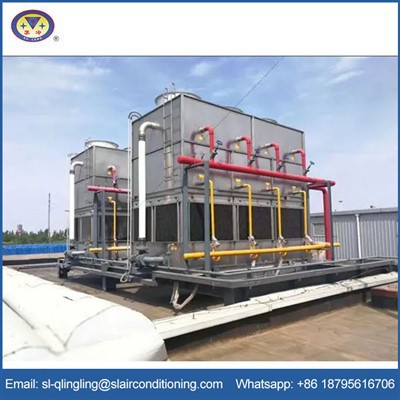
In the dynamic landscape of modern manufacturing, maintaining an optimal working environment is crucial for both the well - being of employees and the efficiency of production processes. An industrial cooler stands as a key solution in achieving this balance. As a trusted industrial cooler supplier, I've witnessed firsthand how these powerful machines play a pivotal role across a wide range of factory applications.
1. Temperature Regulation in High - Heat Processes
Many factories are host to processes that generate an enormous amount of heat. For instance, in metal forging plants, the smelting and shaping of metals demand extremely high temperatures. The heat not only poses a risk to the health and safety of workers but can also affect the precision of the forging equipment. An industrial cooler can significantly mitigate these issues.
It works by extracting the hot air from the working area and replacing it with cooler air. This process not only reduces the ambient temperature but also helps in maintaining the stability of machinery. When the equipment operates at a proper temperature, its lifespan is extended, and the frequency of breakdowns is reduced. By investing in a high - quality Industrial Cooler, factories can ensure a continuous and efficient production flow.
In the glass manufacturing industry, the production of glass involves melting raw materials at very high temperatures. The molten glass is then shaped into various products. During this process, the surrounding environment becomes extremely hot. Industrial coolers are essential in providing a stable working temperature. They can prevent the overheating of control panels and other electrical components, which are sensitive to high temperatures. Moreover, a comfortable working environment encourages workers to perform at their best, leading to higher - quality glass products.
2. Preservation of Perishable Goods in Cold Rooms
Cold rooms are a staple in industries such as food processing, pharmaceuticals, and floristry. These rooms need to maintain a consistently low temperature to preserve the quality and safety of the stored items. Air Coolers for Cold Room are designed specifically for this purpose.
In food processing factories, meats, dairy products, and fresh produce are stored in cold rooms before further processing or distribution. The industrial cooler keeps the temperature within the required range, preventing spoilage and the growth of harmful bacteria. This ensures that the end - products are of high quality and meet the strict food safety standards.
For pharmaceutical companies, many drugs and vaccines need to be stored at specific low temperatures to maintain their effectiveness. Any deviation from the recommended temperature range can render these medications useless or even dangerous. Industrial coolers installed in cold rooms act as guardians, providing a stable and cold environment to safeguard the integrity of these life - saving products.
3. Ventilation and Air Quality Improvement
Factories often produce a lot of pollutants, including dust, fumes, and chemical vapors. Inadequate ventilation can lead to poor air quality, which not only affects the health of workers but can also damage machinery and contaminate products. Industrial coolers can be integrated into ventilation systems to improve air circulation and quality.
In a paint manufacturing factory, for example, the mixing and packaging processes release volatile organic compounds (VOCs). These VOCs are harmful if inhaled over a long period. An industrial cooler with air - filtering capabilities can draw in the polluted air, remove the harmful particles and chemicals, and then circulate clean, cool air back into the factory. This not only protects the health of employees but also helps in maintaining a clean and safe working environment.
In a woodworking factory, sawdust is a major by - product. Excessive sawdust in the air can cause respiratory problems for workers and can also pose a fire hazard. Industrial coolers can be used to create a negative pressure environment, which draws the sawdust - laden air out of the working area and through appropriate filters. This effectively reduces the sawdust concentration in the air and enhances the overall air quality.


4. Preventing Equipment Overheating
Modern factory equipment is highly sophisticated and often comes with complex electrical and mechanical components. These components generate heat during operation, and if not properly managed, overheating can occur. Overheating can lead to reduced equipment performance, increased energy consumption, and even permanent damage.
In an electronics manufacturing factory, circuit boards are assembled using a variety of precision equipment. The soldering and testing processes generate heat, which can affect the performance of the electronic components. Industrial coolers can be strategically placed near these sensitive pieces of equipment to dissipate the heat and maintain a stable temperature. This ensures the accuracy of the assembly process and reduces the number of defective products.
Similarly, in data centers within factories (which are used for storing and processing large amounts of production - related data), servers generate a significant amount of heat. Industrial coolers are essential for cooling these servers. By keeping the servers at an optimal temperature, the data center can operate smoothly, preventing data loss and system failures that could disrupt the entire production process.
5. Evaporative Cooling for Cost - Effective Solutions
For some factories, especially those in hot and dry climates, an Evaporative Cooling System can be a cost - effective alternative to traditional refrigeration - based industrial coolers.
In agricultural product processing facilities, such as fruit - drying plants, evaporative coolers can be used to cool the working areas. The principle behind evaporative cooling is simple: water evaporates, absorbing heat from the surrounding air. This process cools the air without the high energy consumption associated with traditional refrigeration systems.
In addition to cost savings, evaporative cooling systems are also environmentally friendly as they use less electricity and do not rely on harmful refrigerants. They can effectively lower the temperature in large open - plan factory areas, providing a comfortable working environment for employees during the hot summer months.
Conclusion
The applications of industrial coolers in factories are diverse and far - reaching. From regulating temperature in high - heat processes to preserving perishable goods, improving air quality, preventing equipment overheating, and offering cost - effective cooling solutions, these machines are indispensable to modern manufacturing operations.
If you are a factory owner or manager looking to enhance your working environment, improve production efficiency, or safeguard your products and equipment, our industrial cooler solutions are the answer. We offer a wide range of high - quality industrial coolers tailored to meet your specific needs. Don't hesitate to reach out to us for a consultation and let's start a conversation about how our industrial coolers can transform your factory operations.