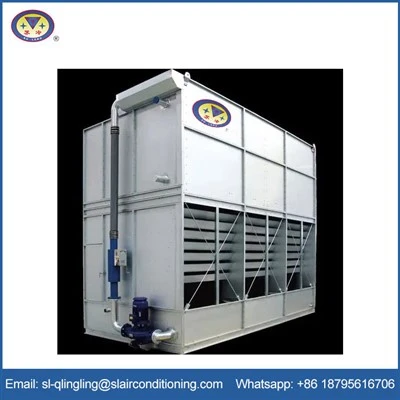
Hey there! As a supplier of Commercial Coolers, I've seen firsthand how important proper ventilation is for these units. In this blog, I'll break down the ventilation requirements for commercial coolers, why they matter, and how you can ensure your cooler is well-ventilated.
Why Ventilation Matters for Commercial Coolers
Let's start by understanding why ventilation is such a big deal for commercial coolers. You see, these coolers work by removing heat from the inside and expelling it outside. Without proper ventilation, the heat can build up around the cooler, making it work harder and less efficiently. This not only leads to higher energy bills but can also shorten the lifespan of your cooler.
Think of it like this: if you're running a race and you're in a stuffy room with no fresh air, you're going to get tired a lot faster than if you're running outside in the open. The same goes for your commercial cooler. It needs fresh air to function at its best.
Basic Ventilation Requirements
Now, let's get into the nitty - gritty of the ventilation requirements.
Airflow Space
First off, you need to make sure there's enough space around the cooler for air to flow freely. A general rule of thumb is to leave at least 6 inches of space on the sides and back of the cooler. This allows the hot air to escape and the fresh air to come in. If you're placing the cooler against a wall or in a tight corner, it won't be able to breathe properly, and you'll start to see issues with cooling performance.
Ventilation Openings
Commercial coolers usually have ventilation openings on the back or sides. These openings are crucial for allowing the hot air to exit and the cool air to enter. You need to keep these openings clear of any obstructions. Things like boxes, shelves, or even dust can block these openings and prevent proper airflow. So, make sure to regularly check and clean these areas.
Exhaust Systems
In some cases, especially for larger commercial coolers, an exhaust system might be necessary. An exhaust system helps to quickly remove the hot air from around the cooler. It can be a simple fan or a more complex duct system. If your cooler requires an exhaust system, make sure it's properly installed and maintained. A malfunctioning exhaust system can lead to overheating and other problems.
Different Types of Commercial Coolers and Their Ventilation Needs
Not all commercial coolers are created equal, and their ventilation needs can vary depending on the type.
Walk - in Coolers
Walk - in coolers are large units that you can actually walk into. These coolers typically have a lot of heat to expel, so they need more robust ventilation. They often require a dedicated exhaust system that can handle the large volume of hot air. Additionally, since people are going in and out of these coolers, you need to make sure the ventilation is sufficient to maintain a comfortable temperature inside. For more info on coolers suitable for walk - in setups, check out Air Coolers for Cold Room.
Reach - in Coolers
Reach - in coolers are smaller and more commonly found in restaurants and grocery stores. While they don't require as much ventilation as walk - in coolers, they still need proper airflow. You need to ensure that there's enough space around the unit and that the ventilation openings are clear. These coolers are often placed in busy areas, so it's easy for them to get blocked by merchandise or other items.
Display Coolers
Display coolers are designed to show off products while keeping them cool. They usually have glass doors, which can affect the airflow. These coolers need careful ventilation planning to ensure that the display area stays at the right temperature without overheating. The ventilation should be designed in a way that doesn't create any hot spots inside the display.
Industrial Cold Storage Air Coolers
When it comes to industrial cold storage, the ventilation requirements are even more stringent. Industrial cold storage air coolers are used in large warehouses and distribution centers. They handle a massive amount of products and need to maintain very low temperatures.
These coolers often have advanced ventilation systems that are designed to work in high - volume environments. The airflow needs to be carefully controlled to ensure uniform cooling throughout the storage area. For more details on industrial - grade coolers, head over to Industrial Cold Storage Air Cooler.
How to Check if Your Ventilation is Sufficient
Now that you know what the ventilation requirements are, how can you tell if your cooler's ventilation is sufficient?

Temperature Checks
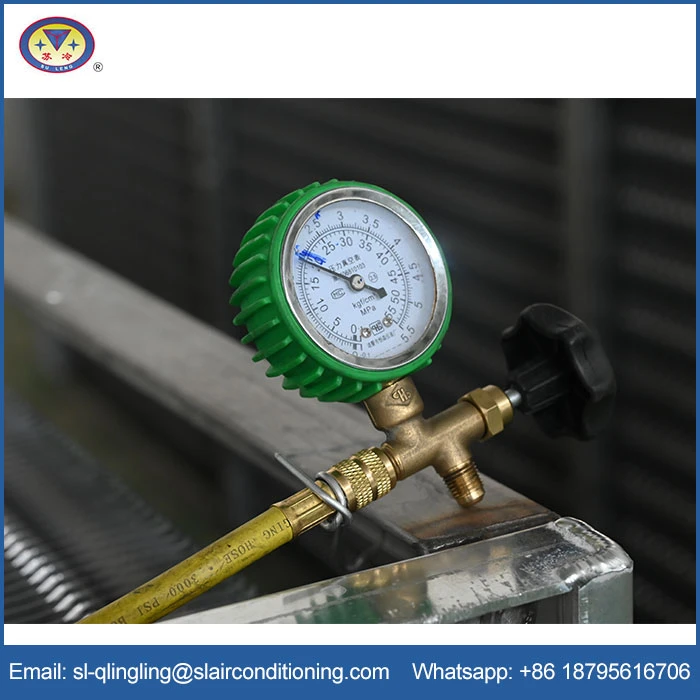
One of the easiest ways is to check the temperature inside and outside the cooler. If the cooler is struggling to maintain the set temperature, it could be a sign of poor ventilation. You can use a thermometer to take regular temperature readings. If the temperature inside the cooler is higher than it should be, or if the area around the cooler is getting too hot, you need to look into the ventilation.
Noise Level
A noisy cooler can also be a sign of ventilation problems. If the cooler's fans are working harder than normal to try and expel the hot air, they'll make more noise. If you notice an increase in the noise level of your cooler, it's a good idea to check the ventilation.
Maintaining Proper Ventilation
Maintaining proper ventilation is an ongoing process. Here are some tips to keep your cooler's ventilation in top shape:
Regular Cleaning
As I mentioned earlier, dust and debris can block the ventilation openings. Make sure to clean the cooler regularly, especially around the ventilation areas. You can use a soft brush or a vacuum cleaner to remove any dust.
Inspections
Periodically inspect the ventilation system for any signs of damage or wear. Check the fans, ducts, and exhaust systems to make sure they're working properly. If you notice any issues, get them fixed as soon as possible.
Conclusion
Proper ventilation is essential for the efficient operation of commercial coolers. Whether you're using a small reach - in cooler or a large industrial cold storage unit, understanding and meeting the ventilation requirements is crucial. It not only helps your cooler work better but also saves you money on energy bills and extends the lifespan of your equipment.
If you're in the market for a new Commercial Cooler or need advice on improving the ventilation of your existing cooler, I'm here to help. Feel free to reach out for a chat and we can discuss your specific needs.
References
ASHRAE Handbook - HVAC Systems and Equipment.
Manufacturer's guidelines for commercial coolers.