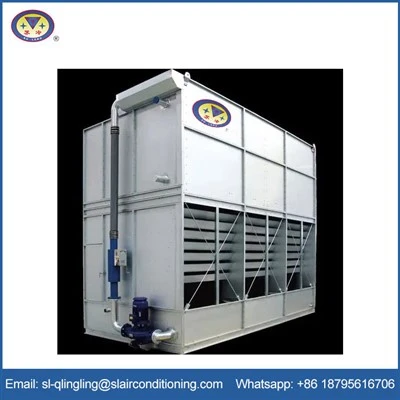
As a supplier of commercial coolers, I've witnessed firsthand the significant impact that room temperature can have on the performance of these essential pieces of equipment. In this blog post, I'll delve into the various ways in which room temperature affects commercial cooler performance, and why understanding these dynamics is crucial for businesses that rely on these units.
Understanding the Basics of Commercial Coolers
Before we explore the impact of room temperature, it's important to have a basic understanding of how commercial coolers work. These units are designed to maintain a specific temperature range within a given space, typically for the purpose of storing perishable goods such as food, beverages, or pharmaceuticals. They achieve this by removing heat from the interior of the cooler and expelling it to the surrounding environment.
The cooling process in a commercial cooler involves several key components, including a compressor, condenser, evaporator, and refrigerant. The compressor pumps the refrigerant through the system, where it absorbs heat from the interior of the cooler in the evaporator. The heated refrigerant then flows to the condenser, where it releases the heat to the outside air. This cycle repeats continuously to maintain the desired temperature inside the cooler.
The Impact of High Room Temperatures
One of the most significant ways in which room temperature affects commercial cooler performance is when the ambient temperature is high. When the room temperature rises, the cooler has to work harder to remove heat from the interior and maintain the desired temperature. This increased workload can lead to several issues, including:
- Reduced Cooling Capacity: As the cooler struggles to keep up with the heat load, its cooling capacity may be reduced. This means that it may not be able to maintain the desired temperature as effectively, leading to warmer temperatures inside the cooler and potentially spoiling the stored goods.
- Increased Energy Consumption: The additional workload on the cooler also means that it consumes more energy. This can result in higher electricity bills for businesses, which can have a significant impact on their bottom line.
- Shortened Lifespan: The increased stress on the cooler's components can also lead to premature wear and tear, reducing the lifespan of the unit. This can result in costly repairs or replacements, further adding to the business's expenses.
The Impact of Low Room Temperatures
While high room temperatures can pose challenges for commercial coolers, low temperatures can also have a negative impact on their performance. When the room temperature drops, the cooler may have difficulty maintaining the desired temperature inside the unit. This can lead to several issues, including:
- Overcooling: In some cases, the cooler may overcool the interior of the unit, causing the temperature to drop below the desired range. This can be particularly problematic for products that require a specific temperature range to remain fresh and safe for consumption.
- Frost Buildup: Low temperatures can also cause frost to build up on the evaporator coils of the cooler. This can reduce the efficiency of the cooling system and make it more difficult for the cooler to maintain the desired temperature.
- Compressor Issues: The compressor in the cooler may also experience problems in low temperatures. If the compressor is not designed to operate in cold conditions, it may struggle to start or may shut down prematurely, leading to a loss of cooling capacity.
Finding the Optimal Room Temperature
To ensure optimal performance and longevity of commercial coolers, it's important to find the right balance when it comes to room temperature. The ideal room temperature for a commercial cooler depends on several factors, including the type of cooler, the products being stored, and the ambient conditions in the area.
In general, most commercial coolers are designed to operate effectively in room temperatures between 60°F and 90°F (15°C and 32°C). However, it's important to consult the manufacturer's specifications for your specific cooler to determine the recommended temperature range.
Strategies for Managing Room Temperature
To minimize the impact of room temperature on commercial cooler performance, businesses can implement several strategies, including:
- Proper Ventilation: Ensuring that the cooler has adequate ventilation is crucial for maintaining optimal performance. This means providing enough space around the unit for air to circulate freely and removing any obstructions that may block the airflow.
- Insulation: Insulating the cooler and the surrounding area can help to reduce the heat transfer between the interior and exterior of the unit. This can help to maintain a more stable temperature inside the cooler and reduce the workload on the cooling system.
- Temperature Monitoring: Regularly monitoring the temperature inside the cooler and the surrounding area can help businesses to identify any issues early on and take corrective action. This can help to prevent spoilage of the stored goods and reduce the risk of equipment failure.
- Upgrading to Energy-Efficient Models: Investing in energy-efficient commercial coolers can help businesses to reduce their energy consumption and lower their electricity bills. These models are designed to operate more efficiently in a wider range of room temperatures, which can help to improve their performance and longevity.
Conclusion
In conclusion, room temperature has a significant impact on the performance of commercial coolers. High room temperatures can reduce the cooling capacity, increase energy consumption, and shorten the lifespan of the unit, while low temperatures can cause overcooling, frost buildup, and compressor issues. By understanding these dynamics and implementing strategies to manage room temperature, businesses can ensure optimal performance and longevity of their commercial coolers.
If you're in the market for a commercial cooler, we offer a wide range of high-quality products, including the Screw Cold Storage Air Cooler, Industrial Air Cooler For Cold Storage Room, and Evaporative Cooling System. Our team of experts can help you to choose the right cooler for your specific needs and provide you with the support and guidance you need to ensure its optimal performance.
If you have any questions or would like to discuss your commercial cooler requirements, please don't hesitate to contact us. We look forward to working with you to find the best solution for your business.


References
- ASHRAE Handbook - Refrigeration. American Society of Heating, Refrigerating and Air-Conditioning Engineers.
- Commercial Refrigeration Equipment Manufacturers Association (CREMA). Best Practices for Commercial Refrigeration.
- Manufacturer's specifications for commercial coolers.