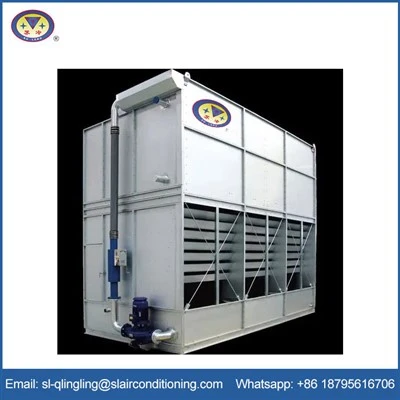
Hey there! As a supplier of Evaporative Condensing Units, I often get asked about the noise level of these units. It's a crucial factor, especially when you're looking to install one in a place where noise can be a concern, like near residential areas or quiet workspaces. So, let's dive right in and chat about what you can expect from the noise level of an Evaporative Condensing Unit.
Understanding the Basics of Evaporative Condensing Units
First off, let's quickly go over what an Evaporative Condensing Unit is. It's a piece of equipment that plays a vital role in many cooling systems. It works by using the evaporation of water to remove heat from the refrigerant. This process is energy - efficient and can help save on your cooling costs in the long run.
But how does this translate to noise? Well, like any mechanical device, an Evaporative Condensing Unit has moving parts. These parts include fans, pumps, and sometimes compressors. Each of these components can contribute to the overall noise level of the unit.
Components Contributing to Noise
Fans
The fans in an Evaporative Condensing Unit are used to move air through the unit. They're typically the most significant source of noise. The size, speed, and design of the fans can all affect how loud they are. Larger fans running at high speeds will generally make more noise than smaller, slower - moving ones.
Modern units often come with advanced fan designs. These designs are engineered to move air more efficiently while reducing noise. For example, some fans have aerodynamically shaped blades that cut through the air more smoothly, resulting in less turbulence and, therefore, less noise.
Pumps
Pumps are another source of noise. They're responsible for circulating the water within the unit. The noise from pumps can vary depending on their type and size. Centrifugal pumps, which are commonly used in Evaporative Condensing Units, can produce a humming or vibrating sound. The quality of the pump and how well it's installed can also impact the noise level. A well - installed pump with proper vibration isolation will be quieter than one that's not installed correctly.
Compressors
In some Evaporative Condensing Units, compressors are used to increase the pressure of the refrigerant. Compressors can be quite noisy, especially if they're older models or if they're working hard to meet the cooling demand. Newer compressors are designed to be more energy - efficient and quieter. They often use advanced technologies like variable - speed compressors, which can adjust their speed based on the cooling load. This not only saves energy but also reduces noise as the compressor doesn't have to run at full speed all the time.
Measuring Noise Levels
Noise levels are measured in decibels (dB). A whisper is about 30 dB, normal conversation is around 60 dB, and a lawnmower can be around 90 dB. The noise level of an Evaporative Condensing Unit can vary widely depending on its size, design, and operating conditions.
Smaller units, like those used in residential or small - scale commercial applications, typically have noise levels in the range of 50 - 70 dB. Larger industrial units can be louder, with noise levels ranging from 70 - 90 dB or even higher in some cases.
It's important to note that the noise level can also be affected by the location of the unit. If it's installed in an enclosed space or near hard surfaces, the noise can bounce around and seem louder. On the other hand, if it's installed in an open area with plenty of space for the sound to disperse, it may seem quieter.
Reducing Noise Levels
As a supplier, we understand that noise can be a concern for our customers. That's why we offer several solutions to help reduce the noise level of our Evaporative Condensing Units.
Sound - Absorbing Materials
One way to reduce noise is by using sound - absorbing materials. These materials can be installed around the unit to dampen the sound. For example, acoustic insulation can be placed on the walls of the unit's enclosure. This insulation absorbs the sound waves and prevents them from escaping, reducing the overall noise level.
Vibration Isolation
Another important factor is vibration isolation. As mentioned earlier, pumps and compressors can vibrate, which can contribute to the noise. By using vibration - isolating mounts, we can reduce the amount of vibration that's transferred to the surrounding structure. This not only reduces noise but also helps to extend the lifespan of the unit by reducing wear and tear.
Proper Installation
Proper installation is crucial for reducing noise. The unit should be installed on a level surface that's capable of supporting its weight. It should also be installed at a sufficient distance from any buildings or structures to allow for proper sound dispersion. Additionally, all connections should be tightened properly to prevent any rattling or vibrating sounds.
Applications and Noise Considerations
Residential Applications
In residential settings, noise is a major concern. Homeowners don't want a noisy cooling unit disrupting their peace and quiet. That's why we offer smaller, quieter Evaporative Condensing Units for residential use. These units are designed to blend in with the home's environment while providing efficient cooling.
We also recommend installing the unit in a location where the noise will be less noticeable. For example, placing it on the side of the house away from bedrooms or living areas can help reduce the impact of the noise.
Commercial Applications
Commercial buildings have different noise requirements. In an office building, for example, a noisy Evaporative Condensing Unit can be a distraction to employees. That's why we offer units with advanced noise - reduction features for commercial applications.
In industrial settings, the noise level may be less of a concern, but it still needs to comply with local noise regulations. Our industrial - grade Evaporative Condensing Units are designed to be robust and efficient while meeting these regulations.
Related Products and Their Impact on Noise
Condenser Water Treatment System
A Condenser Water Treatment System is often used in conjunction with an Evaporative Condensing Unit. This system helps to keep the water in the unit clean and free of contaminants. While the treatment system itself may not contribute significantly to the noise level, it can indirectly affect it.
A well - maintained water treatment system ensures that the unit operates efficiently. When the unit operates efficiently, the fans and pumps don't have to work as hard, which can result in lower noise levels.
Condenser for Water Cooler
A Condenser for Water Cooler is another related product. These condensers are usually smaller in size and are used in water - cooling systems. They also have moving parts like fans and pumps, which can contribute to noise.
Just like with Evaporative Condensing Units, the noise level of a condenser for a water cooler can be managed through proper design and installation.
Conclusion
So, what's the noise level of an Evaporative Condensing Unit? It depends on many factors, including the components, size, and design of the unit. While these units do produce some noise, modern technology and proper installation techniques can significantly reduce the noise level.


If you're in the market for an Evaporative Condensing Unit and noise is a concern, don't hesitate to reach out to us. We can help you choose the right unit for your needs and provide solutions to minimize the noise. Whether it's for a residential or commercial application, we have the expertise and products to meet your requirements. Contact us today to start a conversation about purchasing an Evaporative Condensing Unit that fits your needs and budget.
References
- ASHRAE Handbook of Heating, Ventilating, and Air - Conditioning Systems and Equipment
- Manufacturer's specifications for Evaporative Condensing Units
- Noise control engineering principles and practices