As a seasoned provider of Cold Room Air Coolers, I am thrilled to delve into the intricacies of how these remarkable devices operate. Understanding the working principle of a cold room air cooler is essential for anyone involved in industries that rely on precise temperature control, such as food storage, pharmaceuticals, and more. In this blog post, I will break down the key components and processes that make cold room air coolers so effective.
Key Components of a Cold Room Air Cooler
Before we explore the working principle, let's first familiarize ourselves with the main components of a cold room air cooler:
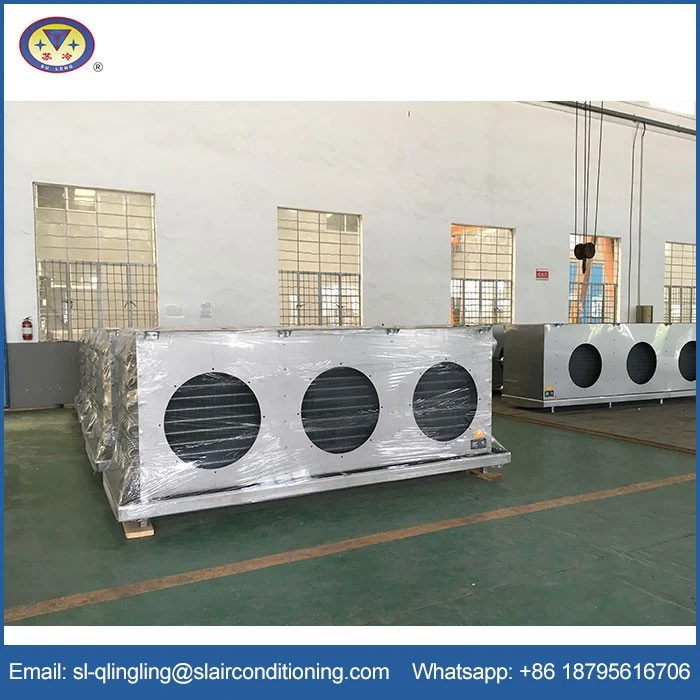
- Evaporator Coil: This is the heart of the cooling system. The evaporator coil is where the refrigerant absorbs heat from the air inside the cold room, causing it to evaporate and turn into a gas.
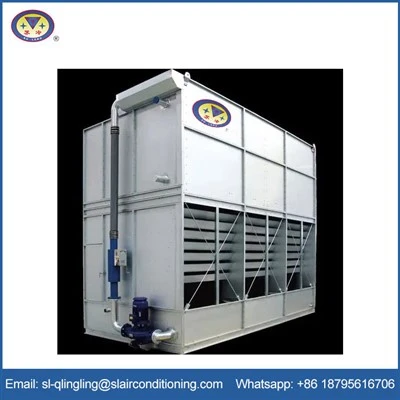
- Condenser Coil: The condenser coil is responsible for releasing the heat absorbed by the refrigerant to the outside environment. As the refrigerant flows through the condenser coil, it releases heat and condenses back into a liquid.
- Compressor: The compressor plays a crucial role in the refrigeration cycle. It compresses the refrigerant gas, increasing its pressure and temperature. This high-pressure gas then flows to the condenser coil.
- Expansion Valve: The expansion valve regulates the flow of refrigerant into the evaporator coil. It reduces the pressure of the liquid refrigerant, causing it to expand and evaporate at a lower temperature.
- Fan: The fan circulates the air inside the cold room, ensuring that the cooled air is evenly distributed. It also helps to transfer heat from the air to the evaporator coil.
The Working Principle of a Cold Room Air Cooler
Now that we understand the key components, let's walk through the working principle of a cold room air cooler step by step:
- Refrigerant Circulation: The process begins with the refrigerant in a liquid state. The compressor compresses the refrigerant gas, increasing its pressure and temperature. This high-pressure gas then flows to the condenser coil.
- Heat Release: As the high-pressure refrigerant gas flows through the condenser coil, it releases heat to the outside environment. The condenser coil is typically located outside the cold room, where it can dissipate the heat effectively. As the refrigerant releases heat, it condenses back into a liquid.
- Pressure Reduction: The liquid refrigerant then flows through the expansion valve, which reduces its pressure. This causes the refrigerant to expand and evaporate at a lower temperature.
- Heat Absorption: The low-pressure refrigerant vapor enters the evaporator coil, which is located inside the cold room. As the air inside the cold room passes over the evaporator coil, the refrigerant absorbs heat from the air, causing it to cool down. The cooled air is then circulated back into the cold room by the fan.
- Return to the Compressor: The refrigerant vapor, now containing the heat absorbed from the air, returns to the compressor. The cycle then repeats, continuously cooling the air inside the cold room.
Importance of Proper Maintenance
To ensure the efficient operation of a cold room air cooler, proper maintenance is crucial. Here are some key maintenance tasks that should be performed regularly:

- Cleaning the Coils: Over time, dust and debris can accumulate on the evaporator and condenser coils, reducing their efficiency. Regular cleaning of the coils helps to maintain optimal heat transfer and cooling performance.
- Checking the Refrigerant Level: The refrigerant level should be checked regularly to ensure that it is within the recommended range. Low refrigerant levels can lead to reduced cooling capacity and increased energy consumption.
- Inspecting the Fan and Motor: The fan and motor should be inspected for any signs of wear or damage. A malfunctioning fan can affect the air circulation inside the cold room, leading to uneven cooling.
- Testing the Controls: The controls of the cold room air cooler, such as the thermostat and temperature sensors, should be tested regularly to ensure that they are functioning properly.
Applications of Cold Room Air Coolers
Cold room air coolers are widely used in various industries for different applications. Some common applications include:
- Food Storage: Cold room air coolers are essential for storing perishable food items, such as fruits, vegetables, meat, and dairy products. They help to maintain the optimal temperature and humidity levels, extending the shelf life of the food.
- Pharmaceuticals: In the pharmaceutical industry, cold room air coolers are used to store medications and vaccines that require specific temperature conditions. Maintaining the proper temperature is crucial to ensure the effectiveness and safety of these products.
- Floral Industry: Flowers are highly sensitive to temperature and humidity. Cold room air coolers are used to create a controlled environment for storing and transporting flowers, helping to preserve their freshness and beauty.
- Industrial Processes: Cold room air coolers are also used in various industrial processes, such as chemical manufacturing, electronics production, and data centers. They help to maintain the optimal temperature and humidity levels, ensuring the quality and reliability of the products.
Conclusion
In conclusion, the working principle of a cold room air cooler is based on the refrigeration cycle, which involves the circulation of refrigerant through the evaporator, condenser, compressor, and expansion valve. By absorbing heat from the air inside the cold room and releasing it to the outside environment, cold room air coolers are able to maintain the desired temperature and humidity levels. Proper maintenance is essential to ensure the efficient operation of these devices.
If you are in need of a high-quality Cold Room Air Cooler for your business, look no further. We offer a wide range of Cold Room Air Cooler options to meet your specific requirements. Our products are designed to provide reliable and energy-efficient cooling solutions for various applications. Whether you need a Quick Freezing Air Cooler for rapid cooling or a Room Cooling Unit for general cooling purposes, we have the right solution for you.
Contact us today to discuss your cooling needs and explore our product offerings. Our team of experts is ready to assist you in finding the perfect Cold Room Air Cooler for your business.
References
- ASHRAE Handbook - Refrigeration. American Society of Heating, Refrigerating and Air-Conditioning Engineers.
- Refrigeration and Air Conditioning Technology. William C. Whitman, William M. Johnson, John Tomczyk, and Eugene Silberstein.