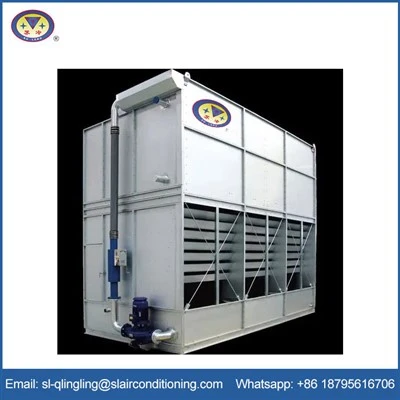
As a supplier of Evaporative Condensing Units, I understand the importance of proper maintenance to ensure these systems operate efficiently and have a long service life. Evaporative condensing units are widely used in various industrial and commercial applications, offering an effective way to reject heat from refrigeration and air - conditioning systems. In this blog, I'll delve into the key maintenance requirements for an Evaporative Condensing Unit.
Regular Inspection
Visual Inspection
Frequent visual inspections are the first line of defense in maintaining an Evaporative Condensing Unit. Check the overall physical condition of the unit, looking for signs of damage such as dents, cracks, or corrosion on the casing. These issues can not only affect the unit's aesthetics but also its structural integrity. For example, a crack in the casing may allow moisture or debris to enter the unit, potentially damaging internal components.


Inspect the fan blades for any signs of wear, imbalance, or damage. Bent or worn fan blades can cause uneven airflow, reducing the unit's cooling efficiency. A damaged fan blade may also lead to excessive vibration, which can further damage other parts of the unit over time.
Examine the water distribution system. Ensure that the nozzles are clean and unclogged. Clogged nozzles can disrupt the proper distribution of water over the condenser coils, reducing the evaporative cooling effect. Check the water level in the sump regularly. An improper water level can lead to issues such as insufficient cooling or pump damage.
Electrical System Inspection
The electrical components of an Evaporative Condensing Unit are critical for its operation. Inspect all electrical connections for signs of looseness, overheating, or corrosion. Loose connections can cause arcing, which is a fire hazard, and overheating can damage the electrical components. Use a thermal imaging camera to detect any hot spots in the electrical system.
Check the motor of the fan and the water pump. Listen for any abnormal noises or vibrations, which may indicate a problem with the motor bearings or other internal components. Test the motor's insulation resistance regularly to ensure it is within the acceptable range. A low insulation resistance can lead to electrical shorts and motor failure.
Cleaning
Coil Cleaning
The condenser coils are a crucial part of the Evaporative Condensing Unit. Over time, dirt, dust, and debris can accumulate on the coils, reducing their heat transfer efficiency. This can cause the unit to work harder, increasing energy consumption and potentially leading to premature component failure.
Use a soft - bristle brush or a low - pressure water spray to clean the coils. Avoid using high - pressure water, as it can damage the delicate fins of the coils. For stubborn dirt and debris, a mild cleaning solution can be used. After cleaning, rinse the coils thoroughly to remove any remaining cleaning solution.
Water System Cleaning
The water in the Evaporative Condensing Unit's sump and distribution system can become contaminated with dirt, algae, and bacteria. Regularly clean the sump to remove any sediment or debris. Drain the sump completely and scrub it with a non - abrasive cleaner.
The Condenser Water Treatment System plays a vital role in maintaining the quality of the water in the unit. It helps prevent the growth of algae and bacteria, as well as the formation of scale and corrosion. Follow the manufacturer's recommendations for the proper operation and maintenance of the water treatment system. Replace the water treatment media as needed.
Water Treatment
Scale and Corrosion Prevention
Scale formation is a common problem in Evaporative Condensing Units. Scale is formed when minerals in the water precipitate out and adhere to the surfaces of the condenser coils and other components. This can reduce heat transfer efficiency and cause blockages in the water system.
Use water treatment chemicals to prevent scale formation. These chemicals can inhibit the precipitation of minerals and keep them in solution. Corrosion is another issue that can affect the longevity of the unit. Corrosion can damage the metal components of the unit, leading to leaks and system failures. Water treatment chemicals can also be used to form a protective film on the metal surfaces, preventing corrosion.
Microbiological Control
Microorganisms such as algae, bacteria, and fungi can grow in the water of the Evaporative Condensing Unit. These microorganisms can form slime, which can clog the water distribution system and reduce the heat transfer efficiency. They can also pose a health risk, especially if the unit is used in a commercial or industrial setting.
Use biocides to control the growth of microorganisms in the water. However, it is important to use the biocides according to the manufacturer's instructions to avoid over - dosing, which can be harmful to the environment and the unit's components.
Lubrication
The moving parts of the Evaporative Condensing Unit, such as the fan motor bearings and the water pump bearings, require proper lubrication. Lubrication reduces friction between the moving parts, preventing wear and tear and extending the service life of the components.
Follow the manufacturer's recommendations for the type and frequency of lubrication. Use high - quality lubricants that are suitable for the specific application. Over - lubrication can also be a problem, as it can attract dirt and debris, leading to bearing damage.
Parts Replacement
Worn - Out Parts
Over time, certain parts of the Evaporative Condensing Unit will wear out and need to be replaced. Common parts that may need replacement include fan belts, gaskets, seals, and bearings. Regularly inspect these parts for signs of wear, such as cracking, fraying, or excessive play.
Replace worn - out parts promptly to prevent further damage to the unit. Using genuine replacement parts is recommended, as they are designed to fit the unit perfectly and meet the manufacturer's quality standards.
Filter Replacement
If the Evaporative Condensing Unit is equipped with air or water filters, replace them regularly. Air filters prevent dust and debris from entering the unit, while water filters help remove impurities from the water. Clogged filters can reduce the airflow or water flow, affecting the unit's performance.
Performance Testing
Cooling Capacity Testing
Periodically test the cooling capacity of the Evaporative Condensing Unit. This can be done by measuring the temperature difference between the inlet and outlet of the refrigerant and the air or water. Compare the test results with the manufacturer's specifications. A significant deviation from the specifications may indicate a problem with the unit, such as a refrigerant leak or a malfunctioning component.
Energy Efficiency Testing
Monitoring the energy consumption of the Evaporative Condensing Unit is essential for cost - effective operation. Use energy meters to measure the power consumption of the unit over a period of time. Calculate the energy efficiency ratio (EER) of the unit, which is the ratio of the cooling capacity to the power input. A decreasing EER may indicate that the unit is not operating efficiently and requires maintenance.
Professional Maintenance
While some maintenance tasks can be performed by the end - user, it is recommended to have a professional service technician perform a comprehensive maintenance check at least once a year. A professional technician has the expertise and specialized tools to diagnose and repair complex problems. They can also perform in - depth tests and inspections that may not be possible for the average user.
If you are in the market for an Industrial Evaporative Condenser or an Air Condenser Unit, our company offers high - quality products and comprehensive after - sales support. Proper maintenance is crucial for the optimal performance of these units, and we can provide you with all the necessary guidance and services.
If you have any questions about the maintenance of Evaporative Condensing Units or are interested in purchasing our products, please feel free to contact us for a detailed discussion. We are committed to helping you find the best solutions for your cooling needs.
References
- ASHRAE Handbook - HVAC Systems and Equipment.
- Manufacturer's manuals for Evaporative Condensing Units.
- Industry standards and guidelines for HVAC maintenance.