Can a cold room air cooler be used in a cold room for plastic product storage?
As a supplier of Cold Room Air Coolers, I often encounter inquiries from customers regarding the suitability of our products for various storage applications. One common question that arises is whether a cold room air cooler can be effectively used in a cold room dedicated to plastic product storage. In this blog post, I will delve into this topic, exploring the factors to consider and the benefits of using a cold room air cooler in such an environment.
Understanding the Storage Requirements of Plastic Products
Plastic products come in a wide range of types and compositions, each with its own unique storage requirements. Generally, plastic materials are sensitive to temperature and humidity fluctuations, which can affect their physical properties and overall quality. High temperatures can cause plastic to soften, deform, or even melt, while excessive humidity can lead to moisture absorption, resulting in warping, cracking, or the growth of mold and mildew.
On the other hand, storing plastic products in a cold room can help maintain their structural integrity and prevent degradation. Cold temperatures slow down the chemical reactions that can cause plastic to age and deteriorate, extending its shelf life and preserving its original properties. Additionally, a controlled humidity environment can prevent moisture-related issues, ensuring that the plastic products remain in optimal condition.
The Role of a Cold Room Air Cooler
A Cold Room Air Cooler plays a crucial role in maintaining the desired temperature and humidity levels in a cold room. These units are designed to circulate cold air throughout the storage space, removing heat and moisture to create a stable and controlled environment. By doing so, they help prevent temperature stratification and ensure uniform cooling, which is essential for the proper storage of plastic products.
One of the key benefits of using a cold room air cooler is its ability to regulate humidity. Excess moisture in the air can condense on the surface of plastic products, leading to water damage and the growth of microorganisms. A cold room air cooler can remove moisture from the air through a process called dehumidification, reducing the relative humidity to a safe level and preventing these issues from occurring.
In addition to temperature and humidity control, a cold room air cooler can also improve air quality in the storage space. By continuously circulating the air, it helps remove dust, debris, and other contaminants that can accumulate over time. This is particularly important for plastic products that are sensitive to particles, as even small amounts of dust can cause scratches or other surface defects.
Factors to Consider
While a cold room air cooler can be a valuable asset for plastic product storage, there are several factors that need to be considered before making a decision. These include:
- Temperature Requirements: Different types of plastic products have different temperature requirements for storage. It is important to determine the optimal temperature range for the specific plastic materials being stored and choose a cold room air cooler that can maintain this temperature consistently.
- Humidity Control: In addition to temperature, humidity control is also crucial for plastic product storage. The relative humidity in the cold room should be maintained within a specific range to prevent moisture-related issues. Some cold room air coolers are equipped with built-in dehumidification systems, while others may require additional equipment to achieve the desired humidity levels.
- Airflow and Distribution: Proper airflow and distribution are essential for ensuring uniform cooling and preventing temperature stratification in the cold room. The cold room air cooler should be installed in a location that allows for efficient air circulation and should be sized appropriately for the storage space.
- Energy Efficiency: Energy consumption is an important consideration when choosing a cold room air cooler. Look for units that are energy-efficient and have features such as variable speed fans and intelligent controls to reduce energy usage and operating costs.
- Maintenance and Service: Regular maintenance and service are necessary to ensure the proper functioning of the cold room air cooler. It is important to choose a reliable supplier that offers comprehensive maintenance and support services to minimize downtime and ensure the longevity of the equipment.
Types of Cold Room Air Coolers
There are several types of cold room air coolers available on the market, each with its own unique features and benefits. Some of the most common types include:
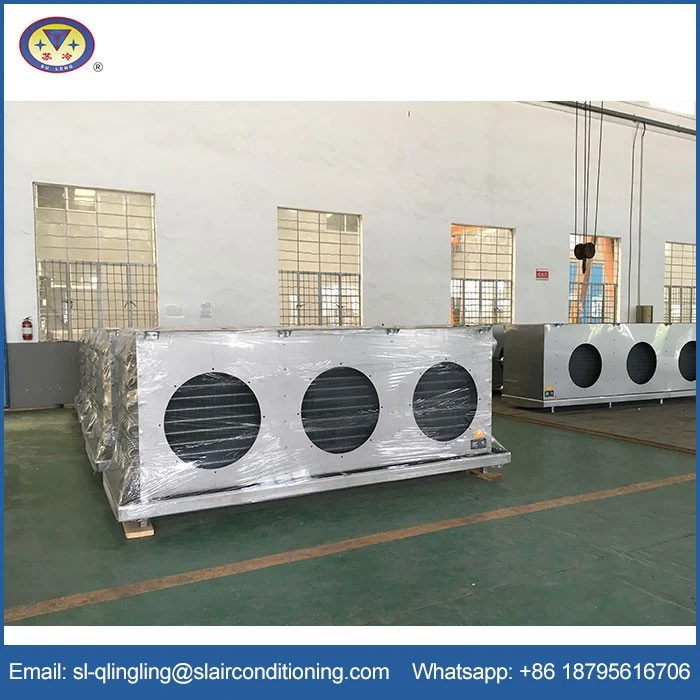
- Large Freezer Air Cooler: These units are designed for large cold rooms and freezers and are capable of providing high-capacity cooling. They are typically equipped with powerful fans and large coils to ensure efficient heat transfer and uniform cooling.
- Quick Freezing Air Cooler: Quick freezing air coolers are specifically designed for applications that require rapid cooling, such as the freezing of food products. They are capable of achieving very low temperatures in a short period of time and are often used in industrial settings.
- Ceiling-Mounted Air Cooler: Ceiling-mounted air coolers are a popular choice for cold rooms as they save floor space and provide efficient air circulation. They are typically installed on the ceiling of the cold room and are designed to distribute cold air evenly throughout the storage space.
Conclusion
In conclusion, a cold room air cooler can be an effective solution for maintaining the optimal temperature and humidity levels in a cold room for plastic product storage. By providing precise temperature control, humidity regulation, and improved air quality, it helps ensure the long-term preservation of plastic products and prevents damage caused by temperature and moisture fluctuations.
However, it is important to carefully consider the specific requirements of the plastic products being stored and choose a cold room air cooler that is suitable for the application. Factors such as temperature requirements, humidity control, airflow and distribution, energy efficiency, and maintenance should all be taken into account when making a decision.

If you are considering using a cold room air cooler for plastic product storage, I encourage you to contact us to discuss your specific needs and requirements. Our team of experts can provide you with detailed information about our products and help you choose the right solution for your application. We look forward to the opportunity to work with you and help you achieve the best possible results for your plastic product storage.
References
- ASHRAE Handbook - Refrigeration. American Society of Heating, Refrigerating and Air-Conditioning Engineers.
- Plastics Industry Association. Best Practices for Plastic Product Storage.