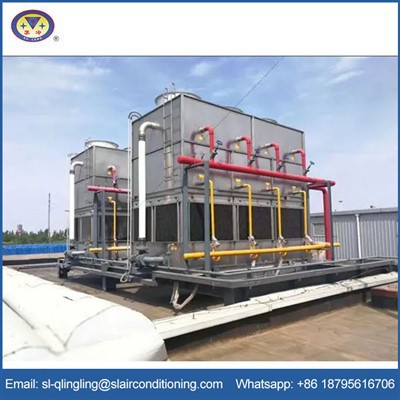
Can an industrial cooler be used in a hot and humid climate? This is a question that many businesses operating in such environments often ask. As a leading supplier of industrial coolers, I am here to provide an in - depth analysis of this topic.
Understanding Hot and Humid Climates
Hot and humid climates are characterized by high temperatures and significant amounts of moisture in the air. In these regions, the combination of heat and humidity can make the working environment extremely uncomfortable for employees and potentially damage equipment. For example, in tropical areas or during the summer months in coastal regions, the average temperature can soar above 30°C (86°F), and the relative humidity can reach 80% or even higher.
Challenges in Hot and Humid Climates
When it comes to using industrial coolers in hot and humid climates, there are several challenges that need to be addressed.
Moisture Management
One of the most significant challenges is moisture management. In a humid environment, the air already contains a large amount of water vapor. When the industrial cooler cools the air, the water vapor condenses, leading to the formation of water droplets. If not properly managed, this excess moisture can cause problems such as mold growth, corrosion of equipment, and electrical short - circuits.
Cooling Efficiency
The high humidity also affects the cooling efficiency of the industrial cooler. Evaporative coolers, for instance, rely on the evaporation of water to cool the air. In a humid climate, the air is already saturated with moisture, which reduces the rate of evaporation and thus the cooling capacity of the cooler.
Types of Industrial Coolers Suitable for Hot and Humid Climates
Despite the challenges, there are several types of industrial coolers that can be effectively used in hot and humid climates.
Refrigerant - Based Coolers
Refrigerant - based industrial coolers, such as those found in Industrial Cold Storage Air Cooler, are a popular choice. These coolers work by using a refrigerant to absorb heat from the air and then release it outside. They are not affected by the humidity of the air and can provide consistent cooling performance even in the most humid conditions.
Dehumidifying Coolers
Some industrial coolers are designed with dehumidifying capabilities. These coolers first remove the moisture from the air and then cool it. This two - step process ensures that the air in the working environment is both cool and dry. For example, the Intelligent Air Cooling Cold Storage Air Cooler can be a great option for businesses in hot and humid climates as it combines cooling and dehumidifying functions.
Case Studies
Let's take a look at some real - world examples of how industrial coolers have been successfully used in hot and humid climates.

Seafood Processing Plant
A seafood processing plant located in a coastal area faced the challenge of maintaining a cool and dry environment for its products. The high humidity in the area was causing problems such as spoilage and mold growth. By installing Seafood Cold Storage Air Cooler, the plant was able to control the temperature and humidity levels effectively. The refrigerant - based system of the cooler ensured that the air inside the storage area remained cool, while the dehumidifying function prevented the formation of excess moisture. As a result, the quality of the seafood products improved, and the spoilage rate decreased significantly.
Manufacturing Facility
A manufacturing facility in a tropical region was struggling with employee discomfort and equipment overheating due to the hot and humid climate. After installing dehumidifying industrial coolers, the working conditions improved dramatically. The coolers removed the moisture from the air and provided a comfortable working environment for the employees. At the same time, the cooler air helped to prevent equipment from overheating, reducing maintenance costs and increasing productivity.
Considerations When Choosing an Industrial Cooler for a Hot and Humid Climate
When selecting an industrial cooler for a hot and humid climate, there are several factors that businesses need to consider.
Capacity
The capacity of the industrial cooler should be sufficient to cool the entire working area. It is important to calculate the heat load of the space, taking into account factors such as the size of the area, the number of employees, and the type of equipment in use.
Energy Efficiency
In a hot and humid climate, the industrial cooler may need to run continuously to maintain the desired temperature and humidity levels. Therefore, energy efficiency is a crucial consideration. Look for coolers with high Energy Efficiency Ratio (EER) ratings to reduce energy consumption and operating costs.
Maintenance Requirements
Regular maintenance is essential to ensure the proper functioning of the industrial cooler. In a humid environment, the cooler is more prone to problems such as mold growth and corrosion. Choose a cooler that is easy to clean and maintain, and make sure to follow the manufacturer's maintenance guidelines.
Conclusion
In conclusion, an industrial cooler can indeed be used in a hot and humid climate. With the right type of cooler and proper installation and maintenance, businesses can overcome the challenges posed by high temperatures and humidity. Whether it is a refrigerant - based cooler, a dehumidifying cooler, or a combination of both, there are solutions available to meet the specific needs of different industries.
If you are looking for an industrial cooler for your business in a hot and humid climate, we are here to help. Our team of experts can provide you with professional advice and recommend the most suitable cooler for your needs. We offer a wide range of high - quality industrial coolers, including Seafood Cold Storage Air Cooler, Intelligent Air Cooling Cold Storage Air Cooler, and Industrial Cold Storage Air Cooler. Contact us today to start the procurement negotiation process and take the first step towards a more comfortable and productive working environment.
References
ASHRAE Handbook - Fundamentals. American Society of Heating, Refrigerating and Air - Conditioning Engineers.
Industrial Refrigeration Handbook. Second Edition. CRC Press.