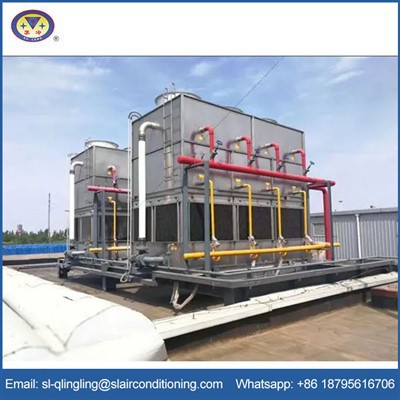
RV room cooling units are essential for ensuring a comfortable environment inside recreational vehicles, especially during hot weather. As a supplier of high - quality Room Cooling Unit, I am well - versed in how these units work and the technology behind them. In this blog, I will delve into the intricacies of RV room cooling units, explaining their components, working principles, and the benefits they offer.
Components of an RV Room Cooling Unit
An RV room cooling unit consists of several key components, each playing a vital role in the cooling process.
Compressor
The compressor is the heart of the cooling unit. It is responsible for compressing the refrigerant gas, which raises its temperature and pressure. This high - pressure, high - temperature gas then moves to the condenser. The compressor works continuously to maintain the flow of refrigerant through the system, ensuring efficient cooling.
Condenser
The condenser is a heat exchanger. It is located outside the RV. When the high - pressure, high - temperature refrigerant gas enters the condenser, it releases heat to the outside air. As the refrigerant loses heat, it condenses into a high - pressure liquid. The condenser typically has a series of fins to increase the surface area for better heat transfer.
Expansion Valve
The expansion valve is a small but crucial component. It regulates the flow of the high - pressure liquid refrigerant into the evaporator. As the refrigerant passes through the expansion valve, its pressure drops suddenly, causing it to expand and turn into a low - pressure, low - temperature mixture of liquid and vapor.
Evaporator
The evaporator is located inside the RV. The low - pressure, low - temperature refrigerant mixture enters the evaporator. As warm air from the RV passes over the evaporator coils, heat is transferred from the air to the refrigerant. This cools the air, which is then blown back into the RV by a fan. The refrigerant absorbs the heat and evaporates, turning back into a low - pressure gas.
Fan
There are usually two fans in an RV room cooling unit. One fan is located near the condenser to blow outside air over the condenser coils, facilitating heat transfer. The other fan is located near the evaporator to circulate the cooled air inside the RV. These fans play a significant role in ensuring efficient operation of the cooling unit.


Working Principles of an RV Room Cooling Unit
The operation of an RV room cooling unit is based on the principles of thermodynamics and the refrigeration cycle. The refrigeration cycle consists of four main stages: compression, condensation, expansion, and evaporation.
Compression Stage
In the compression stage, the compressor draws in the low - pressure refrigerant gas from the evaporator. It then compresses the gas, increasing its pressure and temperature. The high - pressure, high - temperature gas is then sent to the condenser.
Condensation Stage
At the condenser, the high - pressure, high - temperature refrigerant gas releases heat to the outside air. As it loses heat, it condenses into a high - pressure liquid. The heat released during this stage is dissipated into the surrounding environment.
Expansion Stage
The high - pressure liquid refrigerant then passes through the expansion valve. The expansion valve restricts the flow of the refrigerant, causing a sudden drop in pressure. As a result, the refrigerant expands and turns into a low - pressure, low - temperature mixture of liquid and vapor.
Evaporation Stage
In the evaporator, the low - pressure, low - temperature refrigerant mixture absorbs heat from the warm air inside the RV. As it absorbs heat, the refrigerant evaporates, turning back into a low - pressure gas. The cooled air is then circulated back into the RV, providing a comfortable indoor environment.
This cycle repeats continuously as long as the cooling unit is running, maintaining a cool temperature inside the RV.
Benefits of Using an RV Room Cooling Unit
Comfort
The most obvious benefit of using an RV room cooling unit is the comfort it provides. During hot summer days, the inside of an RV can become extremely hot and stuffy. A cooling unit can quickly lower the temperature and humidity, creating a more pleasant living space.
Health
High temperatures and humidity can be harmful to health, especially for the elderly, children, and those with certain medical conditions. By maintaining a cool and dry environment, an RV room cooling unit can help prevent heat - related illnesses such as heatstroke and dehydration.
Preservation of Belongings
Excessive heat can damage electronic devices, food, and other belongings inside the RV. A cooling unit helps to keep the temperature stable, protecting these items from heat - induced damage.
Types of RV Room Cooling Units
There are different types of RV room cooling units available in the market, each with its own features and advantages.
Roof - Mounted Cooling Units
Roof - mounted cooling units are the most common type of RV cooling units. They are installed on the roof of the RV, which allows for efficient air distribution. These units are typically more powerful and can cool larger RVs. They also have the advantage of not taking up any interior space.
Portable Cooling Units
Portable cooling units are a more flexible option. They can be moved around the RV as needed and do not require permanent installation. However, they are generally less powerful than roof - mounted units and may be more suitable for smaller RVs or for supplementary cooling.
Our Product Range
As a supplier of Room Cooling Unit, we offer a wide range of high - quality cooling units for RVs. Our products are designed to be energy - efficient, reliable, and easy to install. In addition to standard RV room cooling units, we also provide Quick - freezing Storage Air Cooler and Vertical Type Blast Freezing Air Cooler for special applications.
Our Quick - freezing Storage Air Cooler is ideal for storing perishable items at low temperatures, ensuring their freshness and quality. The Vertical Type Blast Freezing Air Cooler is designed for rapid freezing, which is useful for food processing and storage.
Maintenance of RV Room Cooling Units
Proper maintenance is essential for the long - term performance of RV room cooling units. Here are some maintenance tips:
Regular Cleaning
Clean the condenser and evaporator coils regularly to remove dirt, dust, and debris. This will ensure efficient heat transfer and prevent the unit from overheating.
Check the Refrigerant Level
The refrigerant level should be checked periodically. Low refrigerant levels can indicate a leak in the system, which should be repaired immediately.
Inspect the Fans
Make sure the fans are working properly. Damaged or malfunctioning fans can reduce the efficiency of the cooling unit.
Replace Filters
If the cooling unit has filters, replace them regularly to ensure good air quality and efficient operation.
Conclusion
RV room cooling units are an indispensable part of modern RVs, providing comfort, health benefits, and protection for belongings. Understanding how these units work and how to maintain them can help RV owners get the most out of their cooling systems.
As a supplier of high - quality Room Cooling Unit, we are committed to providing our customers with the best products and services. If you are interested in our products or have any questions about RV room cooling units, please feel free to contact us for procurement and further discussions. We look forward to serving you and helping you create a comfortable environment in your RV.
References
- "Refrigeration and Air Conditioning Technology" by William C. Whitman, William M. Johnson, and John Tomczyk.
- Various industry reports and technical documents related to RV cooling systems.