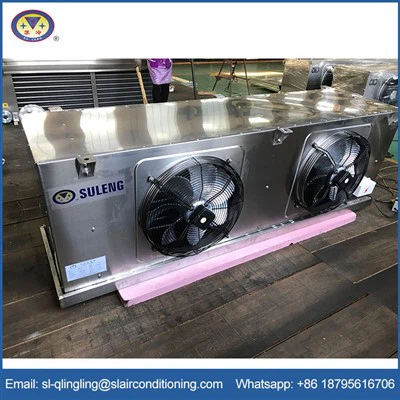
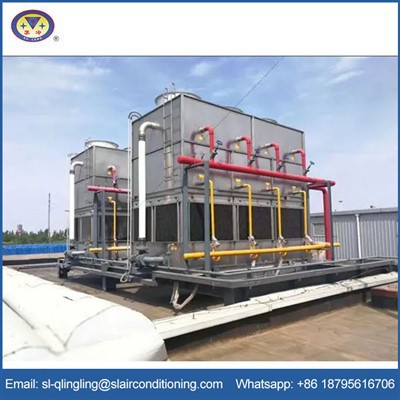
As a trusted supplier of Industrial Cold Storage Air Coolers, I've witnessed firsthand the critical role these units play in maintaining the ideal environment within cold storage facilities. One of the most significant factors affected by an industrial cold storage air cooler is the humidity level. In this blog, we'll explore how these air coolers impact humidity in cold storage and why it matters.
Understanding Humidity in Cold Storage
Before delving into the impact of air coolers on humidity, it's essential to understand the concept of humidity in the context of cold storage. Humidity refers to the amount of water vapor present in the air. In cold storage, maintaining the right humidity level is crucial for several reasons.
Firstly, proper humidity control helps prevent the growth of mold and bacteria. High humidity levels create a moist environment that is conducive to the growth of these microorganisms, which can contaminate stored products and pose a health risk. On the other hand, low humidity levels can cause products to dry out, leading to quality deterioration and loss of weight.
Secondly, humidity affects the energy efficiency of the cold storage system. When the air is too humid, the cooling system has to work harder to remove the excess moisture, consuming more energy. Conversely, if the air is too dry, the cooling system may not operate efficiently, leading to higher energy costs.
How Industrial Cold Storage Air Coolers Affect Humidity
Industrial cold storage air coolers are designed to regulate both temperature and humidity within the cold storage facility. They achieve this through a combination of cooling and dehumidification processes.
Cooling Process
The primary function of an air cooler is to cool the air inside the cold storage. As the warm, moist air from the storage area passes through the evaporator coils of the air cooler, the refrigerant inside the coils absorbs the heat from the air, causing the air temperature to drop. This process is known as sensible cooling.
Dehumidification Process
As the air cools, its ability to hold moisture decreases. When the air temperature drops below its dew point, the excess moisture in the air condenses on the surface of the evaporator coils. This condensed water is then collected in a drain pan and removed from the system. This process is known as latent cooling or dehumidification.
The efficiency of the dehumidification process depends on several factors, including the design of the air cooler, the temperature and humidity of the incoming air, and the operating conditions of the cold storage system.
Types of Industrial Cold Storage Air Coolers and Their Impact on Humidity
There are several types of industrial cold storage air coolers available in the market, each with its own unique features and impact on humidity.
Intelligent Air Cooling Cold Storage Air Cooler
These air coolers are equipped with advanced sensors and control systems that can automatically adjust the cooling and dehumidification processes based on the real-time temperature and humidity conditions inside the cold storage. This ensures precise humidity control and energy efficiency.
Cooler Ac Unit
Cooler AC units are commonly used in small to medium-sized cold storage facilities. They offer a cost-effective solution for maintaining the right temperature and humidity levels. These units typically have a fixed capacity and may require manual adjustment to optimize humidity control.
Cold Room Industrial Air Cooler
Designed specifically for cold rooms, these air coolers are capable of providing high cooling capacity and effective dehumidification. They are often used in large-scale cold storage facilities where precise humidity control is critical.
Water Cooled Air Conditioner
Water-cooled air conditioners use water as a cooling medium to remove heat from the refrigerant. They are known for their high energy efficiency and effective dehumidification capabilities. These units are suitable for use in areas with limited access to air-cooled systems.
Evaporative Cooling System
Evaporative cooling systems work by evaporating water into the air to cool it down. While they can be effective in reducing the temperature, they may not be as effective in dehumidifying the air. These systems are commonly used in dry climates or in applications where some humidity is acceptable.
Factors Affecting the Impact of Air Coolers on Humidity
In addition to the type of air cooler, several other factors can affect the impact of industrial cold storage air coolers on humidity.


Temperature Differential
The temperature differential between the incoming air and the desired temperature inside the cold storage plays a significant role in the dehumidification process. A larger temperature differential means more moisture will condense on the evaporator coils, resulting in greater dehumidification.
Airflow Rate
The airflow rate through the air cooler also affects the dehumidification efficiency. A higher airflow rate allows more air to pass through the evaporator coils, increasing the chances of moisture condensation. However, if the airflow rate is too high, the air may not have enough time to cool down to the dew point, reducing the dehumidification effectiveness.
Load on the Cold Storage
The amount of heat and moisture generated by the stored products and the people working inside the cold storage can also impact the humidity level. A higher load means more heat and moisture need to be removed, which can put additional strain on the air cooler and affect its dehumidification performance.
Maintenance of the Air Cooler
Regular maintenance of the air cooler is essential to ensure its optimal performance. A dirty or clogged evaporator coil can reduce the heat transfer efficiency and the dehumidification capacity of the air cooler. Therefore, it's important to clean the coils regularly and replace the air filters as needed.
Importance of Maintaining the Right Humidity Level
Maintaining the right humidity level in cold storage is crucial for the quality and safety of the stored products. Here are some of the key benefits of proper humidity control:
Product Quality
Proper humidity control helps prevent the growth of mold and bacteria, which can cause spoilage and deterioration of the stored products. It also helps maintain the moisture content of the products, preventing them from drying out or becoming too moist.
Energy Efficiency
By optimizing the humidity level, the cooling system can operate more efficiently, reducing energy consumption and costs. This is especially important in large-scale cold storage facilities where energy costs can be a significant expense.
Equipment Lifespan
Maintaining the right humidity level can also extend the lifespan of the cold storage equipment. High humidity levels can cause corrosion and damage to the metal components of the air cooler and other equipment, reducing their reliability and lifespan.
Conclusion
In conclusion, industrial cold storage air coolers play a crucial role in regulating the humidity level inside cold storage facilities. By understanding how these air coolers affect humidity and the factors that influence their performance, you can make informed decisions about the type of air cooler to choose and how to optimize its operation.
As a leading supplier of industrial cold storage air coolers, we offer a wide range of products to meet your specific needs. Whether you're looking for an Intelligent Air Cooling Cold Storage Air Cooler, a Cooler Ac Unit, or a Cold Room Industrial Air Cooler, we have the expertise and experience to provide you with the best solution.
If you're interested in learning more about our products or have any questions about humidity control in cold storage, please don't hesitate to contact us. We'd be happy to discuss your requirements and help you find the right air cooler for your application.