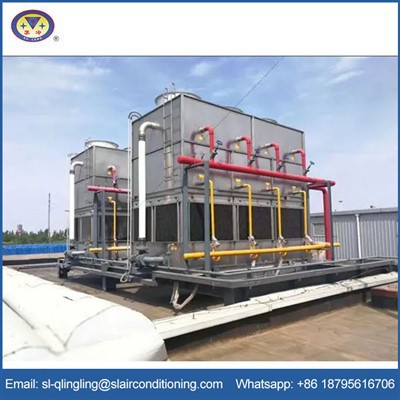
As a seasoned supplier of air condenser units, I've witnessed firsthand the pivotal roles that each component plays in the overall functionality and efficiency of these cooling systems. One such component, often overlooked but incredibly important, is the drain pan. In this blog post, I'll delve into the functions of the drain pan in an air condenser unit, shedding light on its significance in maintaining optimal performance and preventing potential issues.
1. Condensate Collection
The primary function of the drain pan in an air condenser unit is to collect the condensate that forms during the cooling process. When warm, moist air comes into contact with the cold evaporator coils inside the air condenser unit, the water vapor in the air condenses into liquid water. This is a natural by - product of the refrigeration cycle, similar to how water droplets form on the outside of a cold glass on a hot day.
The drain pan is strategically placed beneath the evaporator coils to catch this condensate. Without a properly functioning drain pan, the condensed water would simply drip onto the floor or other components of the air condenser unit, potentially causing water damage to the unit's structure, electrical components, or the surrounding environment. For example, if water were to drip onto electrical wiring, it could lead to short circuits, which not only pose a safety hazard but also result in costly repairs.
2. Preventing Mold and Bacteria Growth
The collected condensate in the drain pan provides an ideal breeding ground for mold and bacteria if it is not properly managed. These microorganisms thrive in moist environments, and their growth can have several negative consequences. Mold spores can be released into the air, which can cause health problems for the occupants of the building, especially those with respiratory issues such as asthma or allergies.
To prevent mold and bacteria growth, modern drain pans are often designed with features to facilitate quick and efficient drainage. Some drain pans are coated with anti - microbial materials that inhibit the growth of these harmful organisms. Additionally, proper maintenance, such as regularly cleaning the drain pan and ensuring the drain lines are clear, is essential to keep the condensate from stagnating.
3. Protecting Equipment Integrity
The drain pan also serves to protect the integrity of the air condenser unit itself. Excess moisture can cause corrosion of the metal parts within the unit. When water accumulates and remains in contact with metal surfaces for extended periods, it can lead to rust formation. Rust weakens the metal, reducing the structural integrity of the unit and potentially leading to leaks or failures in key components.
By collecting the condensate and draining it away, the drain pan helps to keep the interior of the air condenser unit dry, minimizing the risk of corrosion. This extends the lifespan of the unit and reduces the need for costly repairs or premature replacements. For instance, a well - maintained drain pan can prevent corrosion of the compressor housing, which is a critical and expensive component of the air condenser unit.
4. Ensuring Energy Efficiency
A properly functioning drain pan can contribute to the energy efficiency of the air condenser unit. When the drain pan and drain lines are clogged or not draining effectively, it can lead to a buildup of condensate. This excess water can restrict the airflow over the evaporator coils. Since proper airflow is crucial for the efficient transfer of heat during the refrigeration cycle, any obstruction can cause the unit to work harder to achieve the desired cooling effect.


As the unit has to consume more energy to compensate for the reduced airflow, the energy consumption increases, leading to higher utility bills. By ensuring that the drain pan is clean and draining properly, the air condenser unit can operate at its optimal efficiency, saving energy and reducing costs for the end - user.
Our Product Range
At our company, we offer a wide variety of air condenser units, each equipped with high - quality drain pans designed to perform these essential functions. We understand the importance of reliable condensate management, and our products are engineered to meet the highest standards of performance and durability.
If you're in the market for a new air condenser unit, we have options to suit your specific needs. For example, our Condenser for Water Cooler is designed for applications where efficient water cooling is required. It features a well - designed drain pan that ensures proper condensate collection and drainage.
Our Ammonia Refrigerating Condenser is another popular choice for industrial refrigeration applications. The drain pan in this unit is built to withstand the harsh conditions associated with ammonia refrigeration systems, providing long - term reliability.
The Water Cooled Refrigeration Condenser is ideal for large - scale commercial and industrial cooling needs. Its drain pan is designed to handle a significant amount of condensate, ensuring smooth operation and preventing water damage.
Our Finned Energy Saving Condenser is engineered for energy efficiency, and the drain pan plays a crucial role in maintaining this efficiency by preventing airflow restrictions.
Finally, our Water Condenser From Air is a unique solution for extracting water from the air. The drain pan in this unit is optimized to collect the condensed water effectively.
Contact Us for Procurement
If you're interested in learning more about our air condenser units or have specific requirements for your cooling needs, we encourage you to reach out to us. Our team of experts is ready to assist you in selecting the right product for your application and providing detailed information on installation, maintenance, and pricing. Whether you're a small business owner looking for a compact air condenser unit or an industrial facility in need of a large - scale solution, we have the expertise and products to meet your demands.