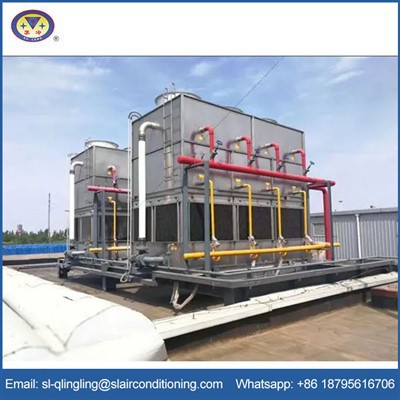
The air cooler is a popular cooling device, especially in regions where the climate is hot and dry. As a trusted air cooler supplier, I often receive inquiries about how these units impact the air quality in a room. In this blog, I will explore the various ways in which air coolers can influence indoor air quality, both positively and negatively.
Positive Impacts on Air Quality
1. Humidification
One of the primary functions of an air cooler is to add moisture to the air. In dry climates, the air can become extremely arid, which can lead to a range of health problems such as dry skin, irritated eyes, and respiratory issues. By increasing the humidity level in the room, air coolers can help alleviate these symptoms. Adequate humidity also helps to reduce the spread of airborne viruses and bacteria, as they are less likely to survive in a moist environment.
2. Air Filtration
Many modern air coolers are equipped with air filters that can remove dust, pollen, and other airborne particles from the air. These filters work by trapping the particles as the air passes through them. This can significantly improve the air quality in a room, especially for people who suffer from allergies or asthma. The filtered air is cleaner and fresher, making it more comfortable to breathe.
3. Ventilation
Air coolers typically work by drawing in warm air from the room, passing it through a wet cooling pad, and then blowing the cooled air back into the room. This process also helps to circulate the air, which can prevent the buildup of stale air and odors. Good ventilation is essential for maintaining a healthy indoor environment, as it helps to remove pollutants and improve oxygen levels.
Negative Impacts on Air Quality
1. Mold and Bacteria Growth
If the water in the air cooler is not changed regularly, it can become a breeding ground for mold and bacteria. These microorganisms can then be released into the air along with the cooled air, which can cause respiratory problems and other health issues. To prevent this, it is important to clean the water tank and cooling pads of the air cooler regularly and to use clean, filtered water.
2. Dust Resuspension
While air coolers can filter out some airborne particles, they can also resuspend dust and other small particles that have settled on surfaces in the room. This is because the air movement created by the air cooler can stir up these particles, making them airborne again. To minimize this effect, it is important to keep the room clean and dust-free.
3. Over - humidification
Although adding moisture to the air can be beneficial, over - humidification can also have negative consequences. High humidity levels can create a damp environment that is conducive to the growth of mold and dust mites. It can also make the air feel sticky and uncomfortable. It is important to monitor the humidity level in the room and adjust the settings of the air cooler accordingly.
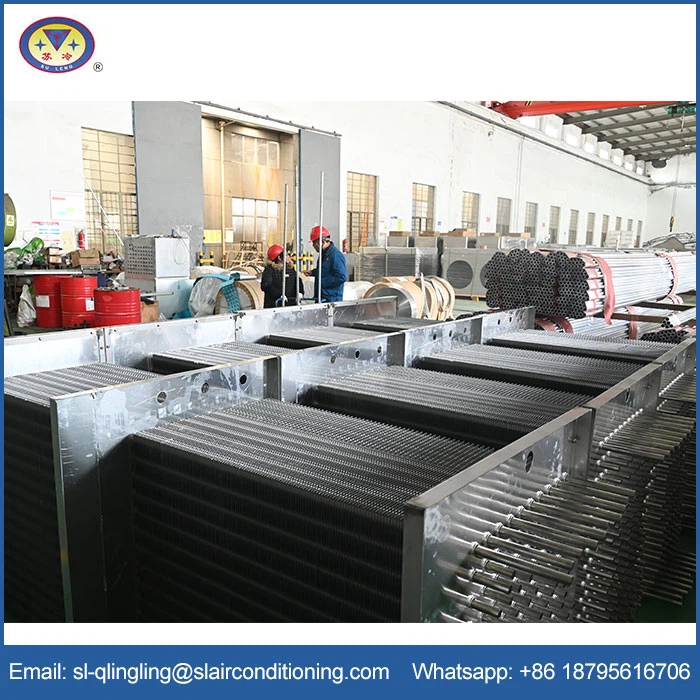

Different Types of Air Coolers and Their Impact on Air Quality
1. Room Cooling Unit
The Room Cooling Unit is designed to cool a single room. These units are usually compact and easy to use. They can have a significant impact on the air quality in the room by providing humidification, air filtration, and ventilation. However, like all air coolers, they require regular maintenance to prevent mold and bacteria growth.
2. Quick Freezing Air Cooler
The Quick Freezing Air Cooler is a more powerful unit that can cool a larger area more quickly. These units often have advanced air filtration systems that can remove a wider range of pollutants from the air. However, due to their high - powered operation, they may also resuspend more dust if not properly maintained.
3. Vertical Type Blast Freezing Air Cooler
The Vertical Type Blast Freezing Air Cooler is designed for industrial or commercial use. These units can cool large spaces effectively and can also improve air quality through ventilation and air filtration. However, they require professional installation and regular maintenance to ensure optimal performance.
Tips for Improving Air Quality When Using an Air Cooler
1. Regular Maintenance
As mentioned earlier, regular maintenance is crucial for preventing mold and bacteria growth. This includes cleaning the water tank, cooling pads, and air filters regularly. It is also important to check for any signs of damage or wear and tear and to replace any parts as needed.
2. Use Clean Water
Using clean, filtered water in the air cooler can help prevent the growth of mold and bacteria. It is recommended to use distilled or purified water, especially in areas where the tap water is hard or contains a high level of minerals.
3. Monitor Humidity Levels
Invest in a hygrometer to monitor the humidity level in the room. The ideal humidity level for indoor comfort is between 30% and 50%. If the humidity level is too high, you can reduce the amount of water in the air cooler or use a dehumidifier.
4. Keep the Room Clean
Regularly dust and vacuum the room to prevent the resuspension of dust particles. Also, keep the area around the air cooler clean to avoid any blockages or contamination.
Conclusion
In conclusion, air coolers can have both positive and negative impacts on the air quality in a room. When used properly and maintained regularly, they can significantly improve the air quality by providing humidification, air filtration, and ventilation. However, if not properly maintained, they can also lead to problems such as mold and bacteria growth, dust resuspension, and over - humidification.
As an air cooler supplier, I am committed to providing high - quality products and ensuring that our customers have the knowledge and resources to use our air coolers effectively. If you are interested in purchasing an air cooler or have any questions about how to improve the air quality in your room, please feel free to contact us for a detailed discussion and to start a procurement negotiation.
References
- "Indoor Air Quality Handbook" by John D. Spengler, Joseph V. McLaughlin, and William J. Fisk
- "Fundamentals of Air Conditioning and Refrigeration" by R. C. Arora
- Research articles on air coolers and indoor air quality from scientific journals such as the Journal of the Air & Waste Management Association.