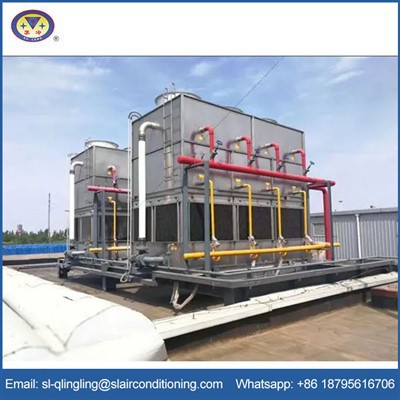
As a supplier of commercial coolers, I understand the importance of keeping these essential pieces of equipment in top - notch condition. Dust and debris can significantly affect the performance and lifespan of commercial coolers, leading to increased energy consumption, reduced cooling efficiency, and potential breakdowns. In this blog, I'll share some effective strategies on how to protect a commercial cooler from dust and debris.
Understanding the Risks Posed by Dust and Debris
Before delving into the protective measures, it's crucial to understand why dust and debris are such a threat to commercial coolers. When dust accumulates on the condenser coils of a cooler, it acts as an insulator. This insulation prevents the coils from dissipating heat effectively, forcing the compressor to work harder to maintain the desired temperature. As a result, energy consumption goes up, and the cooler may not be able to cool the space as efficiently as it should.
Debris, such as leaves, paper, or small particles, can also clog the air intake and exhaust vents of the cooler. This restricts the airflow, which is essential for proper heat exchange. Without adequate airflow, the cooler will struggle to function correctly, and the risk of overheating and mechanical failure increases.
Regular Cleaning and Maintenance
One of the most fundamental ways to protect a commercial cooler from dust and debris is through regular cleaning and maintenance.
External Cleaning
The exterior of the cooler should be cleaned on a frequent basis. Use a soft - bristled brush or a microfiber cloth to gently remove any visible dust, dirt, or debris from the surface. Pay special attention to the areas around the vents, as these are prone to blockages. For more stubborn stains or grime, a mild detergent can be used, but make sure to rinse thoroughly to avoid any residue that could attract more dust.
Coil Cleaning
The condenser coils are a critical component that needs regular attention. Over time, dust can build up on these coils, reducing their efficiency. To clean the coils, first, turn off the power to the cooler for safety reasons. Then, use a coil cleaning brush to carefully remove the dust. For a more thorough cleaning, a coil cleaner solution can be applied according to the manufacturer's instructions. After cleaning, rinse the coils with water to remove any remaining cleaner and dust.
Vent Cleaning
The air intake and exhaust vents should be inspected and cleaned regularly. A vacuum cleaner with a narrow attachment can be used to suck out any dust or debris that has accumulated inside the vents. Make sure to check the vents for any signs of blockage and clear them if necessary.
Installation in a Clean Environment
The location where the commercial cooler is installed plays a significant role in protecting it from dust and debris.
Choose a Clean Location
Select a place that is relatively free from dust - generating activities. Avoid installing the cooler near areas where there is a lot of foot traffic, construction work, or industrial processes that produce a large amount of dust. For example, if possible, install the cooler away from loading docks or areas where goods are being moved around.
Use Air Filters
Installing air filters can help to reduce the amount of dust and debris that enters the cooler. High - quality air filters can trap a significant portion of the airborne particles, preventing them from reaching the internal components of the cooler. Make sure to choose filters that are appropriate for the size and type of the cooler and replace them regularly according to the manufacturer's recommendations.
Protective Covers
Using protective covers is an effective way to shield the commercial cooler from dust and debris when it is not in use.
Custom - Fit Covers
Invest in custom - fit covers that are designed specifically for your commercial cooler. These covers provide a snug fit, which helps to prevent dust and debris from getting inside the cooler. They are usually made from durable materials that can withstand the elements and offer long - term protection.
Temporary Covers
In addition to custom - fit covers, you can also use temporary covers for short - term protection. For example, during maintenance or when the cooler is being transported, a simple plastic sheet can be used to cover the cooler and keep it clean.
Regular Inspections
Regular inspections are essential to catch any potential issues related to dust and debris early on.
Visual Inspections
Conduct visual inspections of the cooler on a regular basis. Look for signs of dust accumulation, blockages in the vents, or any other visible damage. Check the seals around the doors and panels to ensure that they are intact, as gaps can allow dust to enter the cooler.
Performance Checks
Monitor the performance of the cooler regularly. Pay attention to factors such as temperature stability, energy consumption, and noise levels. If you notice any changes in these parameters, it could be a sign that there is a problem related to dust or debris. For example, an increase in energy consumption may indicate that the cooler is working harder due to reduced efficiency caused by dust on the coils.
Employee Training
If your commercial cooler is used in a business setting, it's important to train your employees on how to protect it from dust and debris.
Awareness Training
Educate your employees about the importance of keeping the cooler clean and the potential risks associated with dust and debris. Teach them how to recognize signs of a dirty or blocked cooler, such as reduced cooling performance or unusual noises.
Handling Procedures
Provide clear instructions on how to handle the cooler to minimize the introduction of dust and debris. For example, employees should be trained to close the cooler doors properly to prevent dust from entering, and to avoid placing any items near the vents that could obstruct the airflow.


Upgrading to High - Efficiency Models
Consider upgrading to high - efficiency commercial coolers that are designed to be more resistant to dust and debris. Some modern coolers come with advanced features such as self - cleaning coils or improved air filtration systems. These features can significantly reduce the amount of maintenance required and help to keep the cooler running smoothly.
For example, our Cold Room Industrial Air Cooler is designed with high - performance filters that can effectively trap dust and debris, and its advanced design allows for better airflow management. Our Industrial Air Cooler for Cold Storage Room also features a robust construction that is less prone to dust accumulation, and the Screw Cold Storage Air Cooler has innovative technology that ensures efficient operation even in dusty environments.
Conclusion
Protecting a commercial cooler from dust and debris is essential for its proper functioning and longevity. By implementing regular cleaning and maintenance, choosing the right installation location, using protective covers, conducting regular inspections, training employees, and considering upgrades to high - efficiency models, you can significantly reduce the risk of damage caused by dust and debris.
If you're interested in learning more about our commercial coolers or need assistance with protecting your existing coolers from dust and debris, we're here to help. Feel free to reach out to us to start a procurement discussion and find the best solutions for your business needs.
References
- ASHRAE Handbook - Refrigeration. American Society of Heating, Refrigerating and Air - Conditioning Engineers.
- Manufacturer's manuals for commercial coolers.