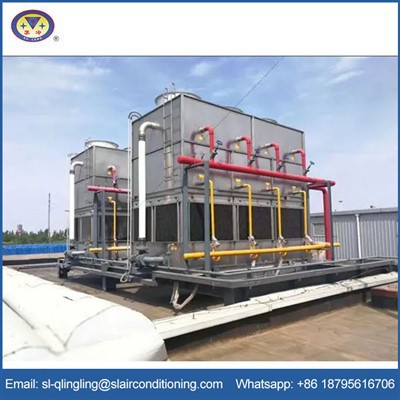
Hey there! As a supplier of evaporative condensers, I've seen firsthand how the maintenance costs of these systems can really add up over time. In this blog, I'm gonna share some practical tips on how to reduce those pesky maintenance costs and keep your evaporative condenser running smoothly.
1. Regular Inspections and Preventive Maintenance
One of the most effective ways to cut down on maintenance costs is to catch problems early through regular inspections. You should set up a schedule for routine checks of your evaporative condenser. This includes looking at the fans, pumps, coils, and water distribution systems.
For the fans, make sure the blades are clean and not damaged. A bent or dirty blade can cause the fan to work harder, which uses more energy and can lead to premature wear and tear. Check the motor bearings too; if they're starting to make noise or feel rough, it might be time to lubricate or replace them.
The pumps are another crucial component. Look for leaks around the seals and check the pump's performance. A pump that's not working efficiently can lead to poor water circulation, which affects the condenser's cooling ability.
As for the coils, they can get dirty over time, especially if there's a lot of dust or debris in the area. A dirty coil reduces heat transfer efficiency, making the condenser work harder. You can use a soft brush or a low - pressure water spray to clean the coils gently.
By doing these preventive maintenance tasks regularly, you can avoid major breakdowns that would cost a fortune to fix.
2. Proper Water Management
Water is a key element in an evaporative condenser, and how you manage it can have a big impact on maintenance costs. First of all, use a Condenser Water Treatment System. This system helps to keep the water clean and free of contaminants like scale, algae, and bacteria.
Scale can build up on the heat transfer surfaces, reducing the condenser's efficiency. Algae and bacteria can clog the water distribution system and cause corrosion. A good water treatment system will add chemicals in the right amounts to prevent these issues.
Also, pay attention to the water level in the condenser. If the water level is too low, the pump might run dry, which can damage it. On the other hand, if the water level is too high, it can cause water to overflow, leading to wasted water and potential damage to the surrounding area.
Make sure to monitor the water quality regularly. You can test the water for pH, hardness, and other parameters. Based on the test results, adjust the water treatment system accordingly.
3. Upgrade to Energy - Efficient Components
Investing in energy - efficient components can save you a lot of money in the long run. For example, consider upgrading to high - efficiency fans. These fans use less electricity while providing the same or better air circulation.
The same goes for pumps. A modern, energy - efficient pump can reduce power consumption significantly. When you use less energy, the components don't have to work as hard, which means less wear and tear and lower maintenance costs.
Also, look into advanced control systems. These systems can optimize the operation of the evaporative condenser based on real - time conditions. For instance, they can adjust the fan speed and water flow rate depending on the temperature and humidity outside. This way, the condenser is always running at its most efficient level.
4. Train Your Staff
Your staff plays a vital role in reducing maintenance costs. Make sure they're properly trained on how to operate and maintain the evaporative condenser. They should know how to do the basic inspections, understand the importance of water management, and be able to recognize early signs of problems.
You can provide on - the - job training or send them to specialized courses. A well - trained staff can catch small issues before they turn into big problems, and they can also operate the condenser in the most efficient way possible.
5. Choose the Right Location
The location where you install the evaporative condenser can also affect maintenance costs. Avoid placing it in areas with a lot of dust, dirt, or chemicals. For example, if there's a factory nearby that emits a lot of pollutants, it can quickly dirty the condenser's components.
Also, make sure there's enough space around the condenser for proper ventilation. Good ventilation helps the condenser to dissipate heat effectively and reduces the stress on the components.
6. Follow Manufacturer's Guidelines
The manufacturer of the evaporative condenser provides a set of guidelines for installation, operation, and maintenance. It's really important to follow these guidelines to the letter. They're based on the design and engineering of the condenser and are meant to ensure its optimal performance and longevity.
For example, the manufacturer will specify the right type of lubricant to use for the bearings, the correct tightening torque for bolts, and the recommended frequency of maintenance tasks. By following these guidelines, you can avoid voiding the warranty and prevent unnecessary damage to the condenser.
7. Compare and Source Quality Parts
When it's time to replace parts, don't just go for the cheapest option. Compare different suppliers and choose high - quality parts. A cheap part might save you a few bucks upfront, but it could break down sooner, leading to more frequent replacements and higher overall costs.
Look for parts that are compatible with your specific evaporative condenser model. You can also consider using genuine parts from the manufacturer. They're designed to work perfectly with your condenser and usually come with a warranty.
8. Evaluate the Cost - Benefit of Repairs vs. Replacements
Sometimes, when a component breaks down, you have to decide whether to repair it or replace it. In some cases, a simple repair might be enough, but in other cases, it might be more cost - effective to replace the whole component.
For example, if a fan motor has a minor issue that can be fixed easily, it makes sense to repair it. But if the motor is old and has had multiple problems in the past, replacing it with a new, energy - efficient motor might be a better long - term solution.
9. Keep Records
Keep detailed records of all maintenance activities, including inspections, repairs, and part replacements. This will help you track the performance of the evaporative condenser over time. You can see if there are any recurring problems, which can indicate a deeper issue that needs to be addressed.
These records can also be useful when it comes to warranty claims or when you're considering upgrading the condenser. They provide a clear picture of the condenser's history and condition.
10. Consider a Maintenance Contract
If you don't have the in - house expertise or resources to maintain the evaporative condenser properly, you can consider a maintenance contract with a professional service provider. They have the knowledge and tools to do a thorough job.
A maintenance contract usually includes regular inspections, preventive maintenance tasks, and emergency repairs. While there's a cost associated with it, it can actually save you money in the long run by preventing major breakdowns and ensuring the condenser runs efficiently.
In conclusion, reducing the maintenance costs of an evaporative condenser requires a combination of regular maintenance, proper water management, smart component choices, and good operating practices. By following these tips, you can keep your condenser running smoothly and save a lot of money in the process.
If you're in the market for a new evaporative condenser or need advice on reducing maintenance costs for your existing one, feel free to reach out. We're here to help you find the best solutions for your needs. Whether you're interested in our Evaporative Condenser Price or want to know more about our Evapco Evaporative Condenser, we're just a message away. Let's start a conversation about how we can work together to meet your requirements!


References
- ASHRAE Handbook of HVAC Systems and Equipment.
- Manufacturer's manuals for evaporative condensers.
- Industry best practices for evaporative condenser maintenance.