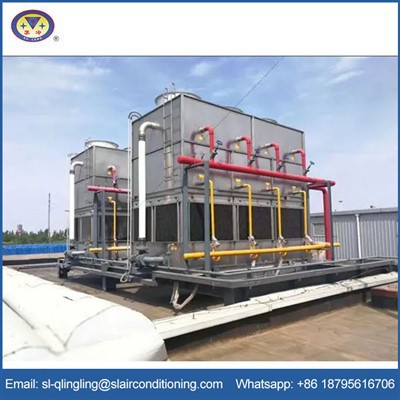
Hey there! As a supplier of Air Condenser Units, I've seen firsthand the importance of transporting these units safely. It's not just about getting the product from point A to point B; it's about ensuring that it arrives in perfect condition, ready to be installed and put to use. In this blog post, I'll share some tips and tricks on how to transport an air condenser unit safely.
Pre - Transport Preparation
Before you even think about moving the air condenser unit, there are a few things you need to do. First off, make sure you have all the necessary tools and equipment. You'll need a sturdy dolly or pallet jack, some straps or ropes for securing the unit, and maybe some padding to protect it from scratches and dents.
Inspect the unit thoroughly. Look for any signs of damage, loose parts, or leaks. If you find anything, it's best to address it before transport. You don't want to end up with a damaged unit at the destination because you missed something during the pre - transport check.
Drain any remaining fluids from the unit. This includes refrigerant and water. Not only does this make the unit lighter, but it also reduces the risk of leaks during transport. And trust me, you don't want refrigerant leaking all over your truck or storage area.
Choosing the Right Transport Method
There are a few different ways to transport an air condenser unit, and the method you choose depends on a few factors, like the size and weight of the unit, the distance it needs to travel, and your budget.
For smaller units, you might be able to use a pickup truck or a van. Just make sure the vehicle is big enough to accommodate the unit and that you have a way to secure it properly. You can use straps to tie the unit down to the bed of the truck or the floor of the van.
If you're transporting a larger unit, you'll probably need a flatbed truck or a trailer. These are better suited for heavy and bulky items. When using a flatbed truck or trailer, make sure the unit is centered and balanced. You don't want it tipping over during transit.
Another option is to use a professional freight carrier. They have the experience and equipment to handle large and heavy items safely. They also offer insurance options, which can give you peace of mind in case something goes wrong during transport. You can check out our Industrial Water Condenser and Industrial Evaporative Condenser options on our website, as they may also require similar transport considerations.
Securing the Unit
Once you've chosen the transport method, it's time to secure the air condenser unit. This is crucial to prevent it from moving around during transport, which can cause damage.
Use high - quality straps or ropes to tie the unit down. Make sure the straps are tight and that they won't come loose easily. You can tie the straps to the frame of the vehicle or to the pallet if the unit is on one.
If possible, use corner protectors or padding to protect the unit from bumps and scratches. You can use foam padding or cardboard corners. This is especially important if the unit is going to be in contact with other items during transport.


For larger units, you might want to use a crate or a custom - made shipping container. This provides an extra layer of protection and keeps the unit secure. Just make sure the crate or container is well - built and can withstand the stresses of transport.
Loading and Unloading
Loading and unloading the air condenser unit is another critical step. You need to do it carefully to avoid any accidents or damage.
When loading the unit, use a ramp or a forklift if available. This makes it easier to get the unit onto the vehicle or trailer. Make sure the ramp is stable and that the forklift operator is experienced.
If you're using a dolly or pallet jack, be careful when moving the unit up or down the ramp. Keep the unit balanced and make sure it doesn't tip over.
When unloading the unit, follow the same safety procedures. Take your time and make sure the unit is lowered gently to the ground. Don't just drop it or let it fall.
During Transport
During transport, there are a few things you need to keep in mind to ensure the safety of the air condenser unit.
Drive carefully. Avoid sudden stops, starts, and turns. These can cause the unit to shift and potentially get damaged. If you're using a professional carrier, make sure they have a good driving record and follow all the safety regulations.
Check on the unit periodically if possible. If you're in the vehicle with the unit, you can pull over and take a quick look to make sure everything is still secure. If you're using a freight carrier, you can ask them to provide updates on the status of the shipment.
Keep the unit away from extreme temperatures and weather conditions. If it's going to be very hot or cold outside, try to schedule the transport during a more moderate time of the day. And if there's a chance of rain or snow, make sure the unit is covered to prevent water damage.
Post - Transport Inspection
Once the air condenser unit has arrived at its destination, it's important to do a post - transport inspection. This is to make sure the unit didn't get damaged during the journey.
Inspect the unit for any visible signs of damage, like dents, scratches, or leaks. Check all the connections and make sure they're still tight. If you find any damage, document it immediately. This is important if you need to file an insurance claim.
Test the unit if possible. This will help you determine if it's still in working condition. If you're not sure how to test the unit, you can hire a professional technician to do it for you.
Why Choose Our Air Condenser Units
At our company, we take pride in providing high - quality Air Condenser Units. Our units are designed to be durable and efficient, and we follow strict quality control measures during the manufacturing process.
We also understand the importance of safe transport. That's why we can offer you some guidance on how to transport our units safely, and if you need, we can recommend reliable transport partners.
If you're in the market for an air condenser unit, whether it's for a small business or a large industrial facility, we'd love to talk to you. Our team of experts can help you choose the right unit for your needs and answer any questions you might have about transport and installation.
So, if you're interested in purchasing an air condenser unit, don't hesitate to reach out. We're here to make the process as smooth and hassle - free as possible.
References
- HVAC Installation and Maintenance Handbook
- Transport Safety Guidelines for Industrial Equipment
So, there you have it! These are some of the key steps to transporting an air condenser unit safely. By following these tips, you can ensure that your unit arrives at its destination in top - notch condition. And if you have any questions or need more information, feel free to contact us. We're always happy to help.