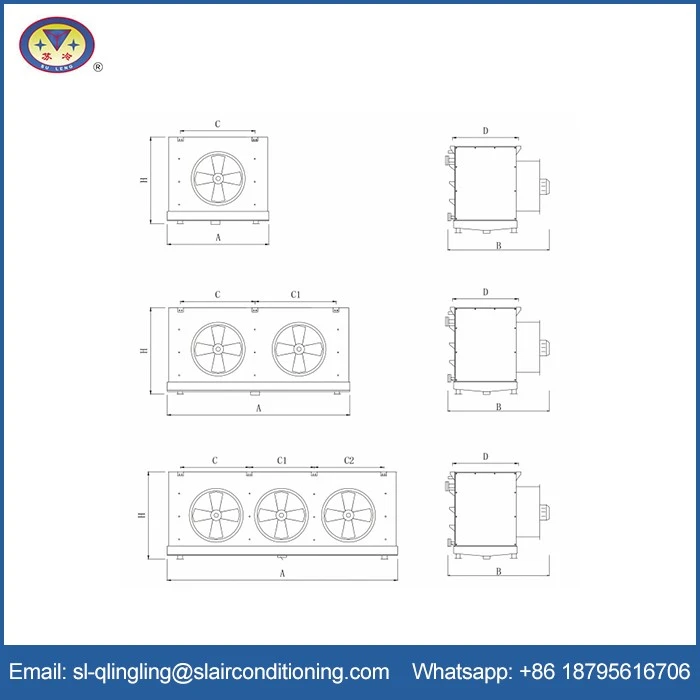
When it comes to maintaining a comfortable and efficient cold storage environment, a well - functioning cooler AC unit is crucial. As a supplier of Cooler Ac Unit, I've encountered a wide range of issues with these units over the years. In this blog post, I'll share some practical tips on how to troubleshoot a cooler AC unit.
1. Check the Power Supply
The first step in troubleshooting any electrical appliance is to ensure it's getting power. A cooler AC unit that isn't turning on may simply have a power problem.
- Inspect the Outlet: Check if the outlet is working. You can plug in another device to the same outlet to verify. If the other device works, the problem isn't with the outlet.
- Examine the Power Cord: Look for any visible damage to the power cord, such as cuts or frayed wires. If you find any damage, it's best to replace the power cord.
- Check the Circuit Breaker: Sometimes, a tripped circuit breaker can cause the AC unit to lose power. Locate your circuit breaker panel and check if the breaker for the cooler AC unit has been tripped. If so, reset it. However, if it keeps tripping, there may be a more serious electrical issue within the unit that requires a professional's attention.
2. Evaluate the Thermostat
The thermostat is the control center of your cooler AC unit. If it malfunctions, the unit may not operate as expected.
- Verify the Settings: Make sure the thermostat is set to the correct mode (cooling) and temperature. If the setting is too high or too low, it can affect the unit's performance.
- Check for Calibration Issues: An inaccurate thermostat can lead to inconsistent cooling. You can purchase a thermostat calibration tool to check the accuracy. If it's off, you may need to calibrate it according to the manufacturer's instructions or replace it if necessary.
3. Clean or Replace the Filters
Dirty filters are one of the most common causes of poor performance in cooler AC units.
- Understand the Importance of Filters: Filters are designed to trap dust, dirt, and other particles from the air. Over time, these filters can become clogged, restricting airflow and reducing the unit's efficiency.
- Clean or Replace Regularly: Depending on the type of filter, you can either clean it or replace it. Washable filters can be removed and cleaned with mild soap and water. For non - washable filters, you should replace them every few months, especially if the unit is used frequently. A clean filter not only improves the unit's performance but also helps maintain good air quality in the cold storage room.
4. Inspect the Condenser and Evaporator Coils
The condenser and evaporator coils play a vital role in the cooling process.
- Check for Dirt and Debris: The coils can accumulate dirt, dust, and debris over time, which can impede heat transfer. Use a soft brush or a coil cleaner to gently remove the dirt from the coils. Be careful not to damage the delicate fins.
- Look for Frost or Ice Buildup: Frost or ice on the coils can indicate a problem. This could be due to a low refrigerant level, poor airflow, or a faulty defrost system. If you notice ice on the coils, turn off the unit and allow it to thaw. Then, troubleshoot the underlying cause.
5. Examine the Fan Motors
The fan motors in a cooler AC unit are responsible for moving air through the unit.
- Listen for Unusual Noises: A noisy fan motor could be a sign of a problem. Squealing, grinding, or rattling noises may indicate a worn - out bearing, loose parts, or a damaged motor. If you hear unusual noises, it's important to stop the unit and have the motor inspected by a professional.
- Check the Fan Blade: Inspect the fan blade for damage or imbalance. A bent or damaged fan blade can cause the motor to work harder and may reduce the unit's efficiency. If you find any issues with the fan blade, it may need to be replaced.
6. Assess the Refrigerant Level
Refrigerant is the substance that absorbs and releases heat in the cooling process.
- Recognize the Signs of Low Refrigerant: A low refrigerant level can cause the unit to cool inadequately. Signs of low refrigerant include warm air blowing from the vents, ice on the coils, and a hissing or bubbling sound coming from the unit. However, checking and adding refrigerant should be done by a qualified technician, as improper handling of refrigerant can be dangerous and may violate environmental regulations.
7. Look for Leaks
Leaks can occur in various parts of the cooler AC unit, including refrigerant lines, water drain lines, and the unit's housing.
- Check for Refrigerant Leaks: As mentioned earlier, refrigerant leaks can cause cooling problems. A refrigerant leak detector can be used to locate leaks. If a leak is detected, it should be repaired by a professional as soon as possible.
- Inspect the Water Drain Line: A clogged or damaged water drain line can cause water to leak inside the unit or the cold storage room. Check the drain line for blockages and clear them if necessary. You can use a pipe cleaner or a small amount of vinegar to dissolve any debris in the drain line.
8. Consider the Installation and Location
The way the cooler AC unit is installed and its location can also affect its performance.
- Verify Proper Installation: Ensure that the unit is installed correctly according to the manufacturer's instructions. Improper installation, such as incorrect mounting or improper ductwork, can lead to poor airflow and reduced efficiency.
- Evaluate the Location: The unit should be installed in a well - ventilated area away from heat sources. If the unit is placed in a confined space or near a heat - generating device, it may have to work harder to cool the area.
Conclusion
Troubleshooting a cooler AC unit requires a systematic approach. By following these steps, you can often identify and resolve common issues with your unit. However, if you're unsure about any aspect of the troubleshooting process or if the problem persists, it's always best to consult a professional technician.
As a supplier of high - quality Cooler Ac Unit, Screw Cold Storage Air Cooler, Industrial Air Cooler for Cold Storage Room, Air Coolers for Cold Room, and Cold Room Industrial Air Cooler, we are committed to providing you with the best products and support. If you have any questions about our products or need assistance with troubleshooting, please feel free to contact us for further discussions and potential procurement.