

As a supplier of Ceiling Type Ammonia Air Coolers, I've been getting a lot of questions lately about the ammonia leakage risk of these devices. It's a valid concern, and I'm here to break it down for you in simple, easy - to - understand terms.
What is Ammonia and Why is it Used in Air Coolers?
First off, let's talk about ammonia. It's a compound of nitrogen and hydrogen (NH₃). In the world of refrigeration and air - cooling systems, ammonia is a popular choice. Why? Well, it's got some pretty great properties. It's an efficient refrigerant, with high latent heat of vaporization. This means it can absorb a large amount of heat from the surrounding environment when it changes from a liquid to a gas, which is key for cooling. It's also relatively inexpensive and environmentally friendly compared to many synthetic refrigerants because it has zero ozone depletion potential and a very low global warming potential.
Potential Risks of Ammonia Leakage
But like any substance, ammonia comes with its own set of risks when it leaks. Ammonia is a toxic and corrosive gas. When it's inhaled, even in relatively small concentrations, it can cause irritation to the eyes, nose, throat, and respiratory tract. High - level exposure can lead to more severe health problems such as lung damage, pulmonary edema, and in extreme cases, it can be fatal.
In terms of physical damage, leaked ammonia can corrode metal parts in the air cooler itself and other nearby equipment. This can lead to further malfunctions and safety hazards. Also, in a confined space, a large ammonia leak can create an explosive atmosphere if the concentration reaches between 15% and 28% by volume in air.
Factors Contributing to Ammonia Leakage in Ceiling Type Ammonia Air Coolers
Installation Issues
One of the main causes of ammonia leakage is improper installation. If the air cooler isn't installed correctly, for example, if the pipes aren't properly connected or sealed, it can lead to small cracks or gaps where ammonia can escape. This is why it's super important to have a professional with experience in ammonia - based systems handle the installation.
Wear and Tear
Over time, the components of the air cooler can experience wear and tear. The gaskets, which are used to seal joints, can degrade. The pipes can corrode due to the constant flow of ammonia, especially if the system isn't properly maintained. For instance, if the system is exposed to high humidity or if the ammonia has impurities, it can speed up the corrosion process.
Operational Errors
Mistakes in operating the air cooler can also contribute to ammonia leakage. For example, if the pressure in the system isn't regulated properly, it can put extra stress on the pipes and components, leading to leaks. Also, if the system is over - or under - charged with ammonia, it can cause problems.
How to Minimize Ammonia Leakage Risk
Regular Maintenance
Regular maintenance is crucial. This includes checking for signs of corrosion on pipes, inspecting gaskets for wear, and making sure all connections are tight. It's also important to test the ammonia levels in the air around the cooler regularly to catch any potential leaks early.
Quality of Components
Using high - quality components in the air cooler can reduce the risk of leakage. Cheaper, low - quality parts are more likely to fail or corrode quickly. As a supplier, we always focus on sourcing the best materials for our Ceiling Evaporative Cooler to ensure long - term reliability.
Proper Training
Proper training for the operators is essential. They should know how to operate the air cooler within the specified parameters, how to recognize the signs of a leak, and what steps to take in case of an emergency.
Mitigating the Consequences of a Leak
In addition to preventing leaks, it's important to be prepared for the worst - case scenario. Installing an ammonia detection system that can quickly alert you if there's a leak is a must. This system should be connected to an alarm that can be heard throughout the area.
Also, having a proper ventilation system in place is crucial. In case of a leak, the ventilation can help disperse the ammonia and reduce the concentration in the air, minimizing the health risks.
Our Ceiling Type Ammonia Air Coolers
At our company, we take the ammonia leakage risk seriously. Our Ceiling Mounted Evaporative Cooler models are designed with safety in mind. We use high - grade materials and advanced manufacturing techniques to ensure the integrity of the system. Our products are also backed by rigorous quality control checks, so you can trust that you're getting a reliable and safe air cooler.
We also offer comprehensive after - sales services, including maintenance and training. Our team of experts can help you set up the air cooler correctly and train your staff on how to operate it safely.
Concluding Thoughts
The ammonia leakage risk of a ceiling type ammonia air cooler is a real concern, but it can be effectively managed. By understanding the causes of leaks, taking preventive measures, and being prepared for emergencies, you can use these air coolers safely and efficiently.
If you're in the market for a reliable Ceiling Mounted Air Cooler or Ceiling Mounted Evaporative Cooler Factory, don't hesitate to reach out. We're here to help you find the perfect solution for your cooling needs. And if you have any further questions about ammonia leakage or anything else related to our products, feel free to contact us. We're always happy to chat and provide you with the information you need.

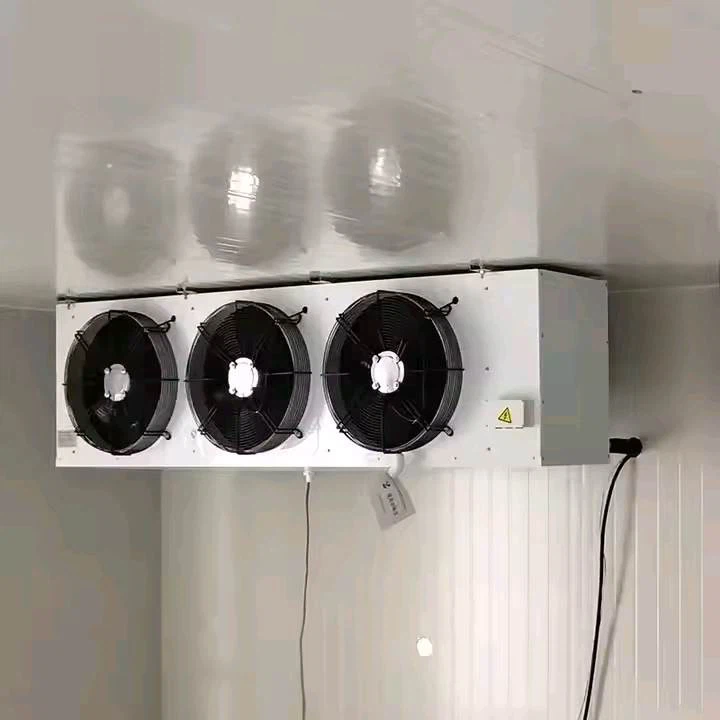
If you're interested in getting a Cool Air From Ceiling Fan or looking for a high - quality ceiling type ammonia air cooler for your industrial or commercial space, we'd love to talk to you. Our team can provide you with detailed quotes and specifications tailored to your specific requirements. So, why not take the first step and start a conversation with us? You won't regret it!


