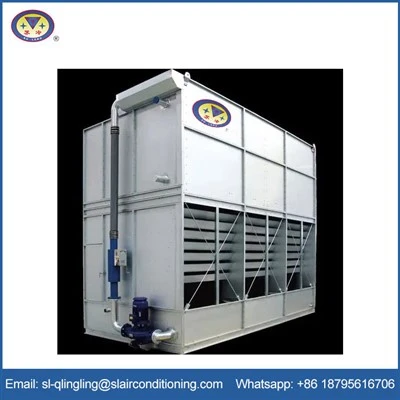
Hey there! As a supplier of air condenser units, I've seen firsthand how important it is to get the installation right. A proper installation not only ensures the efficient operation of the unit but also extends its lifespan. So, let's dive into the installation requirements for an air condenser unit.
Location, Location, Location
The first thing you need to consider is where to place the air condenser unit. It should be installed in an area that has good ventilation. A well - ventilated space allows the unit to expel hot air effectively. You don't want to put it in a corner or a small enclosed area because that can cause the unit to overheat.
Ideally, the condenser unit should be installed at least 2 - 3 feet away from any walls or other obstructions. This gives it enough room to draw in fresh air and blow out the hot air. Also, make sure it's placed on a flat and level surface. A tilted unit can cause problems with the internal components, like the compressor. It might not work as efficiently or could even break down prematurely.
Electrical Requirements
Air condenser units require a stable and appropriate electrical supply. You need to check the voltage and amperage requirements of the specific unit you're installing. These details are usually provided in the user manual.
It's crucial to have a dedicated electrical circuit for the condenser unit. This means it shouldn't share a circuit with other high - power appliances. Sharing a circuit can lead to electrical overloads, which can damage the unit and even pose a fire hazard.
Before connecting the unit, make sure the electrical wiring is in good condition. Faulty wiring can cause short circuits or other electrical problems. If you're not confident in your electrical skills, it's always a good idea to hire a professional electrician to handle the wiring.
Pipework and Refrigerant Lines
The pipework and refrigerant lines are like the veins of the air condenser unit. They carry the refrigerant between the indoor and outdoor units. These lines need to be installed correctly to ensure proper refrigerant flow.
The pipes should be insulated to prevent heat gain or loss. This helps the unit operate more efficiently. You also need to make sure the pipes are not kinked or bent too sharply. A kink in the refrigerant line can restrict the flow of refrigerant, which can lead to poor cooling performance and damage to the compressor.
When connecting the pipes, use the right fittings and seals. Loose connections can cause refrigerant leaks, which not only reduce the unit's efficiency but can also be harmful to the environment. If you suspect a refrigerant leak, it's important to address it immediately. You can find more information about the costs associated with air conditioner condensers on this page: Air Conditioner Condenser Cost.
Structural Support
The air condenser unit is heavy, so it needs proper structural support. If it's being installed on a rooftop, the roof structure must be able to bear the weight of the unit. You might need to reinforce the roof in some cases.
For ground - level installations, a concrete pad is often used. The concrete pad should be large enough to accommodate the unit with some extra space around it. It should also be thick enough to provide a stable base. A wobbly or unstable base can cause vibrations, which can damage the unit over time.
Clearance for Maintenance
Don't forget about maintenance! You need to leave enough clearance around the unit for easy access. This includes space at the front, back, and sides. Maintenance technicians need to be able to open the access panels, clean the coils, and perform other maintenance tasks without any hassle.


A good rule of thumb is to leave at least 1 - 2 feet of clearance on all sides of the unit. This allows for proper airflow and easy maintenance. Regular maintenance is essential to keep the unit running smoothly and to prevent costly repairs.
Compatibility with Other Systems
If you're integrating the air condenser unit with other HVAC systems, such as an evaporator coil or a furnace, you need to make sure they are compatible. The refrigerant type, capacity, and control systems should all match.
For example, if you're using an ammonia refrigerating condenser, it has specific requirements and safety considerations. You can learn more about ammonia refrigerating condensers here: Ammonia Refrigerating Condenser. Similarly, if there are steam condensate drain coolers in the system, their proper installation and compatibility are crucial. Check out this page for more details on steam condensate drain coolers: Steam Condensate Drain Cooler.
Safety Considerations
Safety is always a top priority when installing an air condenser unit. Make sure the unit is properly grounded to prevent electrical shocks. You should also install a safety switch or a circuit breaker that can cut off the power in case of an emergency.
The area around the unit should be free from any flammable materials. This includes gasoline, oil, or other chemicals. Also, if the unit is installed in an area where there is a risk of flooding, you need to take appropriate measures to protect it.
Permits and Regulations
Before you start the installation, check with your local building department to see if you need any permits. Different areas have different regulations regarding the installation of air condenser units. These regulations are in place to ensure the safety and proper operation of the units.
Failure to obtain the necessary permits can result in fines or even having to remove the unit. So, it's better to be safe than sorry and follow all the local rules and regulations.
Installation by a Professional
While some DIY enthusiasts might be tempted to install the air condenser unit themselves, it's often best to hire a professional. A professional installer has the knowledge, skills, and tools to ensure a proper installation.
They are familiar with all the installation requirements and can troubleshoot any problems that might arise during the installation process. They can also provide you with a warranty on the installation, giving you peace of mind.
Conclusion
Installing an air condenser unit is a complex process that requires careful consideration of many factors. From the location and electrical requirements to pipework, structural support, and safety, every detail matters.
If you're in the market for an air condenser unit, we're here to help. We offer high - quality units and can guide you through the installation process. Whether you have questions about the installation requirements or need advice on choosing the right unit for your needs, feel free to reach out to us. We're just a call or an email away, and we look forward to discussing your air condenser unit needs and getting you the best solution for your space.
References
- Manufacturer's installation manuals for air condenser units
- Local building codes and regulations regarding HVAC installations
- Industry standards for air conditioning and refrigeration systems