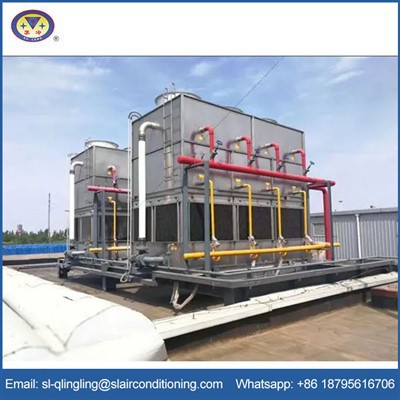
Commercial coolers play a pivotal role in various industries, from food and beverage to pharmaceuticals. These coolers are designed to maintain specific temperature ranges, ensuring the quality and safety of stored products. One of the key factors that determine the efficiency and performance of commercial coolers is the insulation materials used. As a supplier of commercial coolers, I have extensive knowledge of the different insulation materials available in the market and their applications. In this blog, I will discuss the various insulation materials used in commercial coolers, their properties, advantages, and disadvantages.
Polystyrene Foam
Polystyrene foam is one of the most commonly used insulation materials in commercial coolers. It is available in two forms: expanded polystyrene (EPS) and extruded polystyrene (XPS).
Expanded Polystyrene (EPS)
EPS is made by expanding polystyrene beads with steam. It has a closed-cell structure, which provides good insulation properties. EPS is lightweight, easy to handle, and relatively inexpensive. It is commonly used in applications where cost is a major consideration, such as in small commercial coolers and refrigerated display cases. However, EPS has a lower insulation value compared to other materials, and it is not as durable. It can be easily damaged by moisture and mechanical stress.
Extruded Polystyrene (XPS)
XPS is produced by extruding a polystyrene melt through a die. It has a more uniform and denser closed-cell structure than EPS, which gives it better insulation performance. XPS is more resistant to moisture, chemicals, and mechanical damage compared to EPS. It is commonly used in applications where high insulation performance and durability are required, such as in large commercial coolers and cold storage rooms. However, XPS is more expensive than EPS.
Polyurethane Foam
Polyurethane foam is another popular insulation material used in commercial coolers. It is formed by reacting polyols and isocyanates in the presence of a blowing agent. Polyurethane foam has a high insulation value, which makes it very effective in reducing heat transfer. It can be sprayed, injected, or poured into the cooler panels, providing a seamless and airtight insulation layer.
Closed-Cell Polyurethane Foam
Closed-cell polyurethane foam has a high density and a closed-cell structure, which makes it resistant to moisture and air infiltration. It has excellent insulation properties and is commonly used in applications where high insulation performance and moisture resistance are required, such as in commercial refrigeration systems and cold storage rooms. Closed-cell polyurethane foam can also provide structural support to the cooler panels. However, it is more expensive than other insulation materials, and its installation requires specialized equipment and trained personnel.
Open-Cell Polyurethane Foam
Open-cell polyurethane foam has a lower density and an open-cell structure. It is less expensive than closed-cell polyurethane foam and is commonly used in applications where cost is a major consideration and where some degree of air permeability is acceptable, such as in some types of commercial coolers and insulation for walls and ceilings in refrigerated spaces. However, open-cell polyurethane foam is more susceptible to moisture absorption and has a lower insulation value compared to closed-cell foam.
Fiberglass Insulation
Fiberglass insulation is made from fine glass fibers. It is a lightweight and flexible insulation material that is commonly used in commercial coolers. Fiberglass insulation has good thermal insulation properties and is relatively inexpensive. It is easy to install and can be used in a variety of applications, including as insulation for the walls, floors, and ceilings of commercial coolers.
However, fiberglass insulation has some limitations. It is not as effective as some other insulation materials in reducing heat transfer, especially in high-temperature environments. It can also be irritating to the skin, eyes, and respiratory system if not handled properly. In addition, fiberglass insulation can be damaged by moisture, which can reduce its insulation performance.
Vacuum Insulation Panels (VIPs)
Vacuum insulation panels are a high-performance insulation material that consists of a core material enclosed in an airtight envelope from which the air has been removed to create a vacuum. The lack of air in the panel significantly reduces heat transfer by conduction and convection. VIPs have extremely high insulation values, much higher than traditional insulation materials such as polystyrene foam and fiberglass.
VIPs are commonly used in applications where space is limited and high insulation performance is required, such as in high-end commercial coolers and medical refrigeration units. However, VIPs are very expensive, and they are relatively fragile. The airtight envelope of the VIP can be easily damaged, which will reduce its insulation performance.
Aerogel Insulation
Aerogel is a synthetic porous material with extremely low density and high porosity. It has excellent insulation properties, with a thermal conductivity that is much lower than most traditional insulation materials. Aerogel insulation can provide very high levels of insulation in a thin layer, making it suitable for applications where space is at a premium.
However, aerogel insulation is very expensive and is not as widely available as other insulation materials. It is also relatively brittle and can be difficult to handle and install. Currently, aerogel insulation is mainly used in high-tech and specialized commercial cooler applications.


Comparison of Insulation Materials
When choosing an insulation material for commercial coolers, several factors need to be considered, including insulation performance, cost, durability, moisture resistance, and ease of installation. The following table provides a comparison of the different insulation materials discussed above:
| Insulation Material | Insulation Performance | Cost | Durability | Moisture Resistance | Ease of Installation |
|---|---|---|---|---|---|
| Expanded Polystyrene (EPS) | Low - Medium | Low | Low | Poor | Easy |
| Extruded Polystyrene (XPS) | Medium - High | Medium | High | Good | Moderate |
| Polyurethane Foam (Closed - Cell) | High | High | High | Excellent | Requires Specialized Equipment |
| Polyurethane Foam (Open - Cell) | Medium | Medium | Medium | Fair | Moderate |
| Fiberglass Insulation | Medium | Low | Medium | Poor | Easy |
| Vacuum Insulation Panels (VIPs) | Very High | Very High | Low | Good | Fragile, Special Handling Required |
| Aerogel Insulation | Extremely High | Very High | Low | Good | Difficult |
Our Offerings and Applications
As a commercial cooler supplier, we understand the importance of choosing the right insulation material for different applications. We offer a range of commercial coolers that are insulated with high - quality materials to meet the diverse needs of our customers.
For small - scale commercial applications, such as in convenience stores and cafes, our coolers insulated with EPS or open - cell polyurethane foam can provide a cost - effective solution. These coolers are suitable for storing beverages, dairy products, and other perishable items.
For larger commercial operations, such as supermarkets and food processing facilities, we recommend our coolers insulated with XPS, closed - cell polyurethane foam, or VIPs. These materials can ensure high - performance insulation, energy efficiency, and long - term durability.
Our Intelligent Air Cooling Cold Storage Air Cooler is designed with high - quality insulation materials to maintain a stable temperature in cold storage rooms. It is suitable for large - scale commercial applications where precise temperature control is required.
The Air Coolers for Cold Room in our product line are also well - insulated to provide efficient cooling in cold rooms of various sizes. They can be customized with different insulation materials according to the specific requirements of the customer.
Our Industrial Air Cooler for Cold Storage Room is built with durable and high - performance insulation to meet the demands of industrial - scale cold storage applications.
Conclusion
The choice of insulation material for commercial coolers is crucial for achieving optimal performance, energy efficiency, and cost - effectiveness. Each insulation material has its own unique properties, advantages, and disadvantages. By understanding the characteristics of different insulation materials, customers can make informed decisions when selecting commercial coolers for their specific applications.
If you are in the market for commercial coolers and need professional advice on the best insulation materials for your needs, please feel free to contact us. Our team of experts is ready to assist you in choosing the right products and providing solutions tailored to your requirements. We look forward to discussing your commercial cooler needs and working with you to ensure the success of your business.
References
- ASHRAE Handbook - Fundamentals. American Society of Heating, Refrigerating and Air - Conditioning Engineers.
- Insulation Materials: Properties and Applications. McGraw - Hill Professional.
- Commercial Refrigeration Handbook. The Fairmont Press.