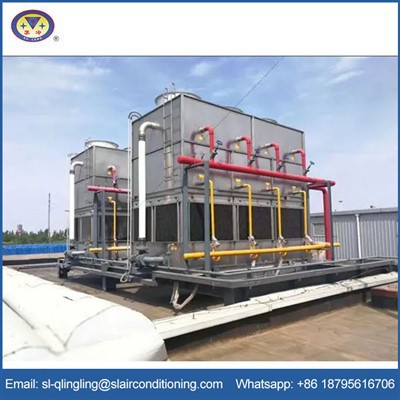
What are the regulatory requirements for an Evaporative Condensing Unit installation?
As a supplier of Evaporative Condensing Units, I've encountered numerous inquiries regarding the regulatory requirements for installing these units. Understanding these regulations is crucial, not only for compliance but also for ensuring the safe and efficient operation of the equipment. In this blog, I'll delve into the key regulatory aspects that you need to consider when installing an Evaporative Condensing Unit.
Local Building Codes
One of the primary regulatory requirements for installing an Evaporative Condensing Unit is compliance with local building codes. These codes are established by local government authorities to ensure the safety and structural integrity of buildings. They typically cover aspects such as the location of the unit, its distance from the building, and the installation method.
For instance, in many areas, there are specific requirements regarding the minimum distance between the Evaporative Condensing Unit and the building's walls, windows, and doors. This is to prevent issues such as heat transfer, noise pollution, and potential damage to the building's structure. Additionally, the installation must comply with the building's fire safety regulations, which may include the use of fire-resistant materials and proper ventilation to prevent the accumulation of flammable gases.
It's essential to consult with the local building department before installing the unit to obtain the necessary permits and ensure that the installation meets all the local building code requirements. Failure to comply with these codes can result in fines, delays in the installation process, and even the requirement to remove and reinstall the unit correctly.


Environmental Regulations
Evaporative Condensing Units can have an impact on the environment, primarily through the use of water and the release of heat and moisture into the atmosphere. Therefore, environmental regulations play a significant role in the installation of these units.
One of the key environmental considerations is water conservation. Many regions have strict regulations regarding water usage, and Evaporative Condensing Units are often required to use water-efficient technologies. This may include the use of water recirculation systems, which reuse the water that is evaporated during the cooling process, reducing overall water consumption.
In addition to water conservation, the release of heat and moisture into the atmosphere can also have an impact on the local climate and air quality. Some environmental regulations may limit the amount of heat and moisture that can be released by the unit, or require the use of technologies to mitigate these effects. For example, the unit may need to be equipped with a heat exchanger to transfer the heat to a more suitable location, or a mist eliminator to reduce the amount of moisture released into the air.
It's important to research and comply with all relevant environmental regulations in your area to ensure that the installation of the Evaporative Condensing Unit is environmentally responsible. This not only helps to protect the environment but also demonstrates your commitment to sustainable practices.
Electrical Regulations
Evaporative Condensing Units are powered by electricity, and therefore, electrical regulations are a critical aspect of the installation process. These regulations are designed to ensure the safe and proper operation of the electrical components of the unit, and to prevent electrical hazards such as short circuits, fires, and electrocution.
Before installing the unit, it's essential to ensure that the electrical supply is adequate to meet the unit's power requirements. This may involve upgrading the electrical system in the building, or installing a dedicated electrical circuit for the unit. Additionally, the installation must comply with all relevant electrical codes and standards, which may include the use of proper wiring, grounding, and overcurrent protection devices.
It's recommended to hire a licensed electrician to perform the electrical installation of the Evaporative Condensing Unit. A qualified electrician has the knowledge and experience to ensure that the installation is safe and compliant with all electrical regulations. They can also provide valuable advice on the proper maintenance and operation of the electrical components of the unit.
Safety Regulations
Safety is of utmost importance when installing an Evaporative Condensing Unit. There are several safety regulations that need to be followed to protect the installers, users, and the surrounding environment.
One of the key safety considerations is the proper installation of the unit to prevent it from tipping over or falling. This may involve the use of a sturdy foundation or mounting system, and ensuring that the unit is level and secure. Additionally, the unit should be installed in a location that is easily accessible for maintenance and inspection, and that is free from any potential hazards such as sharp edges, moving parts, or electrical wires.
Another important safety aspect is the use of proper personal protective equipment (PPE) during the installation process. Installers should wear safety glasses, gloves, and other appropriate PPE to protect themselves from potential hazards such as flying debris, sharp objects, and electrical shock.
It's also essential to provide proper training to the users of the Evaporative Condensing Unit on its safe operation and maintenance. This may include instructions on how to start and stop the unit, how to perform routine maintenance tasks, and what to do in case of an emergency.
Product Standards and Certifications
In addition to the regulatory requirements mentioned above, it's also important to ensure that the Evaporative Condensing Unit meets all relevant product standards and certifications. These standards and certifications are established by independent organizations to ensure the quality, safety, and performance of the product.
For example, the unit may need to comply with industry standards such as the American Society of Heating, Refrigerating and Air-Conditioning Engineers (ASHRAE) standards, which set guidelines for the design, installation, and operation of HVAC equipment. Additionally, the unit may need to be certified by organizations such as Underwriters Laboratories (UL) or the International Organization for Standardization (ISO) to demonstrate its compliance with specific safety and quality standards.
When selecting an Evaporative Condensing Unit, it's important to choose a product that has been tested and certified to meet all relevant standards and certifications. This not only ensures the reliability and performance of the unit but also provides peace of mind knowing that the product has been thoroughly evaluated by independent experts.
Conclusion
Installing an Evaporative Condensing Unit involves complying with a variety of regulatory requirements, including local building codes, environmental regulations, electrical regulations, safety regulations, and product standards and certifications. By understanding and adhering to these requirements, you can ensure that the installation is safe, efficient, and compliant with all relevant laws and regulations.
As a supplier of Evaporative Condensing Units, we are committed to providing our customers with high-quality products that meet all the necessary regulatory requirements. We also offer comprehensive support and guidance throughout the installation process to ensure that our customers have a smooth and hassle-free experience.
If you're considering installing an Evaporative Condensing Unit, I encourage you to explore our range of products, including the Single Room Evaporative Condenser, Evaporative Industrial Air Cooler, and Evapco Evaporative Condenser. Our team of experts is ready to assist you with any questions you may have and to help you find the right solution for your specific needs. Contact us today to start the procurement process and take the first step towards a more efficient and sustainable cooling solution.
References
- American Society of Heating, Refrigerating and Air-Conditioning Engineers (ASHRAE). (Year). ASHRAE Standards.
- Underwriters Laboratories (UL). (Year). UL Standards and Certifications.
- International Organization for Standardization (ISO). (Year). ISO Standards.
- Local Building Department Regulations. (Year). Building Codes and Permits.
- Environmental Protection Agency (EPA). (Year). Environmental Regulations for HVAC Equipment.