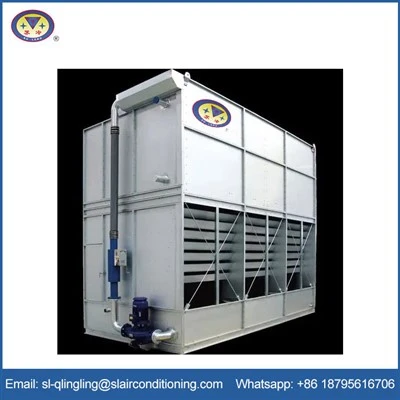
As a supplier of Evaporative Condensing Units, I often get asked about the seismic requirements for their installation. It's a crucial topic, especially considering the potential risks associated with seismic activities. In this blog post, I'll break down the key seismic requirements for installing an Evaporative Condensing Unit and why they matter.
Why Seismic Requirements Are Important
First off, let's talk about why we even need seismic requirements for Evaporative Condensing Units. These units are often large and heavy, and they're usually installed outdoors on rooftops or other elevated platforms. During an earthquake, the ground shakes, and this movement can cause significant stress on the unit and its supporting structures. If the unit isn't properly installed to withstand seismic forces, it can get damaged, fall off its platform, or even cause harm to people and property nearby.
Understanding Seismic Zones
The seismic requirements for an Evaporative Condensing Unit installation primarily depend on the seismic zone where the installation takes place. Seismic zones are regions that are classified based on the probability and intensity of seismic activity. The higher the seismic zone, the more stringent the requirements for the installation.
In the United States, for example, the International Building Code (IBC) divides the country into different seismic design categories (SDCs) ranging from A to F, with A being the lowest risk and F being the highest. Each SDC has specific requirements for the design and installation of structures, including Evaporative Condensing Units.
Structural Requirements
When it comes to the actual installation, the structural requirements are key. The unit needs to be securely anchored to the building structure. This usually involves using heavy - duty bolts or other fastening systems that are designed to withstand the seismic forces.
The support structure for the Evaporative Condensing Unit also needs to be strong enough. It should be designed to transfer the seismic loads safely to the building's foundation. For example, if the unit is installed on a rooftop, the roof structure needs to be able to handle the additional loads from the unit during an earthquake.
Piping and Ductwork Requirements
Another important aspect is the piping and ductwork connected to the Evaporative Condensing Unit. During an earthquake, the movement can cause the pipes and ducts to shift or break. To prevent this, flexible connectors should be used in the piping and ductwork systems. These connectors can absorb the movement and prevent damage to the pipes and ducts.
The piping should also be properly supported to reduce the risk of being pulled apart or damaged. Some seismic codes require additional bracing or restraints for the piping to ensure its integrity during a seismic event.
Electrical Requirements
The electrical components of the Evaporative Condensing Unit also need to comply with seismic requirements. Electrical panels, wiring, and other components should be securely mounted to prevent them from falling or getting damaged. Flexible conduits should be used for the electrical wiring to allow for movement during an earthquake.
In addition, the electrical system should be designed to prevent short - circuits and electrical hazards that could occur due to seismic activity. This might involve using earthquake - resistant electrical connectors and proper grounding.
Compliance with Local Codes
It's important to note that the seismic requirements can vary from one location to another. Local building codes often have specific provisions for seismic design and installation. As a supplier, I always advise my customers to work closely with local contractors and engineers who are familiar with the local seismic codes.
For example, in areas with high seismic activity, the local codes might require additional testing and certification of the installation to ensure it meets the safety standards. This could include structural analysis, vibration testing, and other types of evaluations.
Benefits of Meeting Seismic Requirements
Meeting the seismic requirements for an Evaporative Condensing Unit installation has several benefits. First and foremost, it ensures the safety of the people working around the unit and the surrounding property. A properly installed unit is less likely to be damaged during an earthquake, which means less downtime and lower repair costs.
It also helps to comply with insurance requirements. Many insurance companies require that buildings and equipment meet certain seismic standards to be eligible for coverage. By meeting these requirements, customers can avoid potential issues with their insurance policies.
Our Role as a Supplier
As an Evaporative Condensing Unit supplier, I play an important role in helping my customers understand and meet the seismic requirements. We provide detailed installation instructions that take into account the seismic considerations. Our technical support team is also available to answer any questions and provide guidance on the installation process.
We also offer a range of products that are designed to be more seismic - resistant. For example, our units are built with sturdy frames and components that can better withstand the forces of an earthquake. And we keep up - to - date with the latest seismic codes and standards to ensure our products and installation recommendations are always in compliance.
If you're in the market for an Evaporative Condensing Unit, it's essential to consider the seismic requirements for your location. You can learn more about our evaporative condenser refrigeration solutions by visiting Evaporative Condenser Refrigeration. We also offer Water Cooled Refrigeration Condenser options, and you can find out more about our water - cooled refrigeration condenser factory at Water Cooled Refrigeration Condenser.


If you're interested in purchasing our Evaporative Condensing Units or have any questions about the seismic requirements for installation, don't hesitate to get in touch. We're here to help you make the right choice and ensure a safe and compliant installation.
References
- International Building Code (IBC)
- Local building department seismic codes and regulations