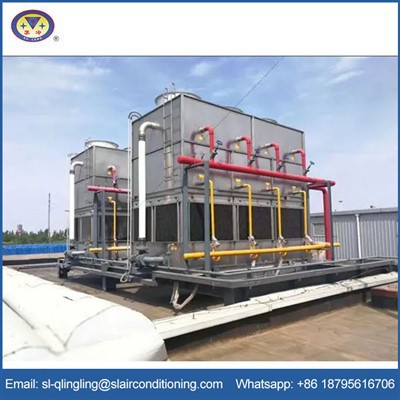
Hey there! I'm a supplier of industrial water condensers, and today I wanna chat about the transportation requirements for these nifty pieces of equipment. Industrial water condensers are crucial in various industries, from manufacturing to power generation. They help cool down industrial processes by condensing steam or other vapors into liquid form. But getting them from our warehouse to your facility isn't as simple as just loading them onto a truck. There are a bunch of things we need to consider to ensure they arrive in one piece.
First off, let's talk about size and weight. Industrial water condensers come in all shapes and sizes, and some of them can be pretty massive. The larger and heavier the condenser, the more specialized the transportation method needs to be. For smaller condensers, we can usually use standard flatbed trucks. These are pretty common and can handle a decent amount of weight. But for the really big ones, we might need to use specialized heavy-haul trucks. These trucks are designed to carry extremely large and heavy loads, and they have features like multiple axles to distribute the weight evenly.
Another important factor is the fragility of the condenser. Even though these are industrial - strength pieces of equipment, they still have delicate components. Things like the tubes inside the condenser can be easily damaged if they're not handled properly during transportation. That's why we use a lot of padding and shock - absorbing materials. We'll wrap the condenser in thick foam or rubber padding to protect it from bumps and vibrations on the road. And we'll also secure it tightly to the truck bed using straps and chains. This way, it won't shift around during transit and risk getting damaged.
When it comes to long - distance transportation, we also have to think about the weather. Extreme temperatures, whether it's really hot or really cold, can affect the condenser. In cold weather, the water inside the condenser pipes could freeze and cause them to burst. So, if we're shipping in cold conditions, we'll make sure to drain the water from the condenser and use antifreeze solutions if necessary. On the other hand, in hot weather, the condenser might overheat if it's not properly ventilated during transit. We'll use ventilation systems in the shipping containers or trucks to keep the temperature inside at a safe level.
Now, let's talk about some of the specific types of industrial water condensers we offer and their transportation needs.
The Ammonia Refrigerating Condenser is a popular choice in the refrigeration industry. It's used to condense ammonia vapor, which is a common refrigerant. These condensers often have complex piping systems and sensitive sensors. During transportation, we need to be extra careful not to damage these components. We'll use custom - made crates to hold the condenser in place and protect it from any impacts. The crates are designed to fit the exact shape of the condenser, providing maximum protection.
The Airwell Water Cooled Condenser is another great option. It uses water to cool down the condensing process. This type of condenser is usually a bit more compact compared to some others, but it still requires careful handling. Since it relies on water circulation, we need to make sure the water channels are not blocked or damaged during transit. We'll perform a pre - shipment inspection to check for any potential issues and then seal the water inlets and outlets to prevent any leakage during transportation.
The Evaporative Condensing Unit is a bit different. It uses evaporation to cool the condenser. These units have fans and pumps that are essential for their operation. When transporting an evaporative condensing unit, we need to secure these moving parts properly. We'll use locking mechanisms to keep the fans and pumps from moving around, and we'll also protect the electrical connections. Any damage to these components could render the unit useless.
Documentation is also a key part of the transportation process. We need to have all the necessary paperwork in order. This includes things like the bill of lading, which details the contents of the shipment, the origin, and the destination. We also need to have any permits required for transporting industrial equipment. Some areas might have specific regulations regarding the transportation of large or heavy items, and we need to make sure we comply with all of them.
Insurance is another important consideration. No matter how careful we are, there's always a small risk of something going wrong during transportation. That's why we always make sure to have proper insurance coverage for our shipments. This way, if there's any damage to the condenser during transit, we can compensate you for the loss.
When it comes to loading and unloading the condensers, we use professional handlers. These are people who are trained to handle industrial equipment safely. They know how to use the right tools, like forklifts and cranes, to lift and move the condensers without causing any damage. They also follow strict safety protocols to ensure their own safety as well as the safety of the equipment.
Once the condenser arrives at your facility, we're not done yet. We'll work with you to make sure it's installed correctly. Our team of experts can provide on - site installation services if needed. We'll also offer training on how to operate and maintain the condenser properly. This way, you can get the most out of your investment and ensure that the condenser works efficiently for years to come.
If you're in the market for an industrial water condenser, whether it's an Ammonia Refrigerating Condenser, an Airwell Water Cooled Condenser, or an Evaporative Condensing Unit, we're here to help. We understand all the transportation requirements and can ensure that your condenser gets to you in perfect condition. So, don't hesitate to reach out if you have any questions or if you're ready to start the procurement process. We're looking forward to working with you!


References:
- General knowledge of industrial equipment transportation.
- Manufacturer's guidelines for industrial water condensers.