As a supplier of Cold Room Air Coolers, I often encounter questions from customers about the air circulation rate of these essential cooling devices. Understanding the air circulation rate is crucial for ensuring optimal performance, energy efficiency, and the overall effectiveness of a cold room. In this blog, I will delve into what the air circulation rate of a cold room air cooler is, why it matters, and how it impacts the operation of cold storage facilities.
What is Air Circulation Rate?
The air circulation rate of a cold room air cooler refers to the volume of air that the cooler can move through the cold room per unit of time. It is typically measured in cubic meters per hour (m³/h) or cubic feet per minute (CFM). This rate indicates how quickly the cooler can distribute cold air throughout the cold room, ensuring uniform temperature distribution and efficient cooling.
Imagine a cold room filled with perishable goods. Without proper air circulation, the temperature in different parts of the room can vary significantly. Some areas may be too cold, leading to product damage, while others may be too warm, increasing the risk of spoilage. A high air circulation rate helps to minimize these temperature variations by constantly moving the cold air from the cooler to all corners of the room.
Why Does Air Circulation Rate Matter?
1. Temperature Uniformity
One of the primary reasons why air circulation rate matters is temperature uniformity. In a cold room, maintaining a consistent temperature is essential for preserving the quality and safety of stored products. A high air circulation rate ensures that cold air is evenly distributed throughout the room, preventing hot spots and cold spots. This is particularly important for products that are sensitive to temperature fluctuations, such as fresh produce, dairy products, and pharmaceuticals.
2. Energy Efficiency
A proper air circulation rate can also contribute to energy efficiency. When the air is circulated effectively, the cooler does not have to work as hard to maintain the desired temperature. This means that less energy is consumed, resulting in lower operating costs. On the other hand, if the air circulation rate is too low, the cooler may have to run continuously to compensate for the uneven temperature distribution, leading to higher energy consumption and increased costs.
3. Product Quality and Shelf Life
The air circulation rate can also have a significant impact on the quality and shelf life of stored products. By ensuring uniform temperature distribution, a high air circulation rate helps to slow down the growth of bacteria and other microorganisms, reducing the risk of spoilage. This can extend the shelf life of products, minimizing waste and maximizing profitability.
Factors Affecting Air Circulation Rate
1. Cooler Size and Capacity
The size and capacity of the cold room air cooler play a crucial role in determining the air circulation rate. Larger coolers generally have a higher air circulation rate than smaller ones, as they are equipped with more powerful fans and motors. When selecting a cooler for a cold room, it is important to choose one that is appropriately sized for the room's dimensions and cooling requirements.
2. Fan Design and Speed
The design and speed of the fans in the cooler also affect the air circulation rate. Fans with a larger diameter and higher blade pitch can move more air than smaller fans. Additionally, variable speed fans allow for greater control over the air circulation rate, enabling the cooler to adjust to different operating conditions.
3. Ductwork and Airflow Path
The ductwork and airflow path in the cold room can also impact the air circulation rate. Properly designed ductwork can help to direct the cold air to the areas where it is needed most, improving the efficiency of the cooling system. On the other hand, poorly designed ductwork or obstructions in the airflow path can restrict the movement of air, reducing the air circulation rate.
Calculating the Required Air Circulation Rate
Calculating the required air circulation rate for a cold room depends on several factors, including the size of the room, the type of products stored, and the desired temperature. A general rule of thumb is to aim for an air circulation rate of 8 to 12 air changes per hour. This means that the entire volume of air in the room should be replaced 8 to 12 times every hour.
To calculate the required air circulation rate, you can use the following formula:
Required Air Circulation Rate (m³/h) = Room Volume (m³) x Air Changes per Hour
For example, if you have a cold room with a volume of 100 m³ and you want to achieve 10 air changes per hour, the required air circulation rate would be:
Required Air Circulation Rate = 100 m³ x 10 = 1000 m³/h
Choosing the Right Cold Room Air Cooler
When choosing a cold room air cooler, it is important to consider the air circulation rate in addition to other factors such as cooling capacity, energy efficiency, and reliability. Here are some tips to help you choose the right cooler for your needs:
1. Determine Your Cooling Requirements
Before selecting a cooler, you need to determine your cooling requirements. This includes the size of the cold room, the type of products stored, and the desired temperature. Based on these factors, you can calculate the required cooling capacity and air circulation rate.
2. Consider the Cooler's Specifications
When comparing different coolers, pay attention to their specifications, including the air circulation rate, cooling capacity, energy efficiency rating, and noise level. Choose a cooler that meets your requirements and offers the best combination of performance and value.
3. Look for Quality and Reliability
Investing in a high-quality cooler is essential for ensuring long-term performance and reliability. Look for coolers that are made from durable materials and are backed by a reputable manufacturer. Check customer reviews and ratings to get an idea of the cooler's performance and reliability.
4. Consult with an Expert
If you are unsure which cooler is right for your needs, consult with an expert in cold room cooling systems. They can help you assess your requirements, recommend the appropriate cooler, and provide installation and maintenance services.
Our Cold Room Air Coolers
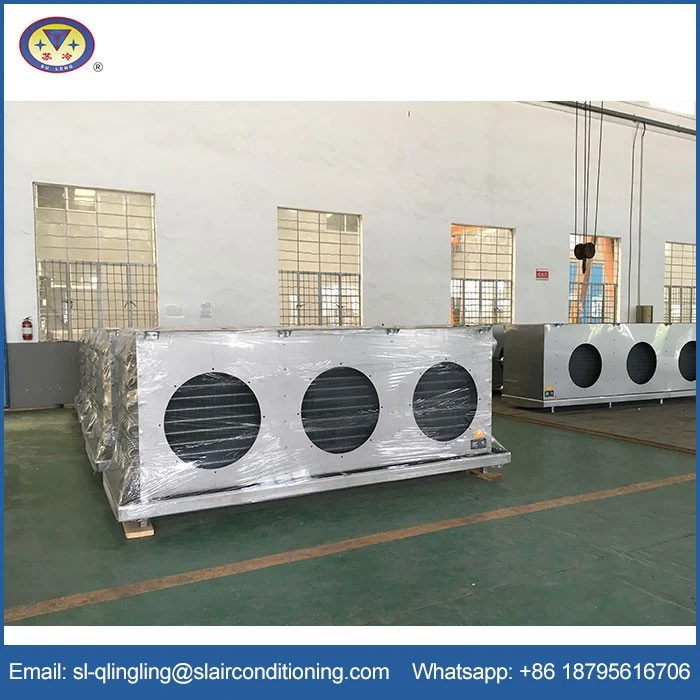
As a leading supplier of Cold Room Air Coolers, we offer a wide range of products to meet the diverse needs of our customers. Our coolers are designed with high-quality components and advanced technology to ensure optimal performance, energy efficiency, and reliability.
Our Cold Room Air Cooler range includes models with different air circulation rates and cooling capacities, allowing you to choose the right cooler for your specific requirements. Whether you need a cooler for a small cold room or a large industrial cold storage facility, we have the solution for you.
In addition to our standard models, we also offer customized solutions to meet your unique needs. Our team of experts can work with you to design and manufacture a cooler that is tailored to your specific requirements, ensuring maximum performance and efficiency.

Conclusion
The air circulation rate of a cold room air cooler is a critical factor in ensuring optimal performance, energy efficiency, and the overall effectiveness of a cold storage facility. By understanding what the air circulation rate is, why it matters, and how it is affected by various factors, you can make an informed decision when choosing a cooler for your cold room.
At our company, we are committed to providing high-quality Cold Room Air Coolers that offer excellent air circulation rates and cooling performance. If you are interested in learning more about our products or would like to discuss your cooling requirements, please do not hesitate to contact us. We look forward to working with you to find the perfect solution for your cold room.
References
- ASHRAE Handbook - Refrigeration. American Society of Heating, Refrigerating and Air-Conditioning Engineers.
- Cold Storage Design Guide. International Institute of Refrigeration.
- Principles of Refrigeration. Cengage Learning.