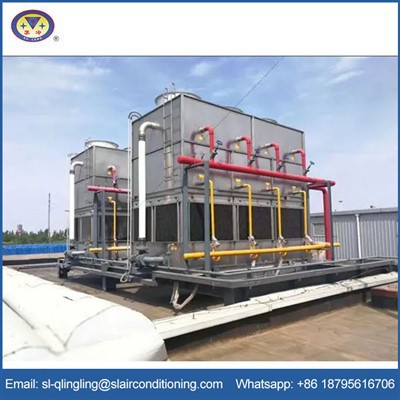
What is the impact of fan failure on an Evaporative Condensing Unit?
As a supplier of Evaporative Condensing Unit, I've witnessed firsthand the critical role that fans play in the efficient operation of these systems. An evaporative condensing unit is a key component in many industrial and commercial cooling applications, and the fans are essential for its proper functioning. In this blog post, I'll delve into the various impacts that fan failure can have on an evaporative condensing unit.
1. Reduced Heat Transfer Efficiency
The primary function of the fans in an evaporative condensing unit is to facilitate heat transfer. The fans draw ambient air through the unit, which helps in the evaporation of water on the condenser coils. This evaporation process is crucial for removing heat from the refrigerant inside the coils. When a fan fails, the amount of air flowing through the unit is significantly reduced.
Without sufficient air circulation, the water on the condenser coils evaporates at a much slower rate. As a result, the heat transfer from the refrigerant to the surrounding environment is hampered. This means that the refrigerant remains at a higher temperature, and the overall cooling capacity of the evaporative condensing unit is diminished. In industrial settings where large amounts of heat need to be dissipated, this reduction in heat transfer efficiency can lead to a significant drop in the performance of the entire cooling system.
2. Increased Energy Consumption
When the heat transfer efficiency of an evaporative condensing unit is reduced due to fan failure, the system has to work harder to achieve the desired cooling effect. The compressor, which is responsible for circulating the refrigerant, has to run for longer periods and at higher pressures to compensate for the lack of heat removal. This increased workload on the compressor leads to a substantial increase in energy consumption.
Higher energy consumption not only translates into higher operating costs for the end - user but also has a negative impact on the environment. As energy costs continue to rise, the financial burden of running an inefficient evaporative condensing unit can be a major concern for businesses. Moreover, the increased energy consumption contributes to a larger carbon footprint, which is something that many companies are striving to reduce.
3. Higher Operating Temperatures
Fan failure can cause the operating temperatures within the evaporative condensing unit to rise significantly. As the refrigerant is not being cooled effectively, the components of the unit, such as the condenser coils and the compressor, are exposed to higher temperatures for extended periods. High operating temperatures can have a detrimental effect on the lifespan and reliability of these components.


The condenser coils may experience accelerated corrosion and scaling when exposed to elevated temperatures. This can lead to a reduction in the heat transfer surface area and further degrade the performance of the unit. The compressor, on the other hand, is a critical and expensive component. Excessive heat can cause the lubricating oil in the compressor to break down, leading to increased friction and wear on the moving parts. This can eventually result in compressor failure, which is a costly repair or replacement.
4. Water Management Issues
Proper air circulation is also important for effective water management in an evaporative condensing unit. The fans help to distribute the water evenly over the condenser coils and promote the evaporation process. When a fan fails, the water distribution becomes uneven, and there may be areas where water accumulates rather than evaporating.
This uneven water distribution can lead to the growth of algae and bacteria in the water. These microorganisms can clog the nozzles that are used to spray water onto the condenser coils, further reducing the efficiency of the system. Additionally, the accumulation of water can cause corrosion in the metal components of the unit, especially if the water is not properly treated. A Condenser Water Treatment System can help mitigate some of these issues, but fan failure can still make it more challenging to maintain proper water quality.
5. System Instability
Fan failure can introduce instability into the operation of an evaporative condensing unit. The unit may experience fluctuations in pressure and temperature, which can affect the performance of other components in the cooling system. For example, the expansion valve, which regulates the flow of refrigerant into the evaporator, may not function properly due to the inconsistent conditions within the condensing unit.
These fluctuations can also lead to the activation of safety shutdown mechanisms. If the operating temperatures or pressures exceed the safe limits, the system may automatically shut down to prevent damage to the components. Frequent shutdowns can disrupt the normal operation of the cooling system, causing downtime in industrial processes and inconvenience in commercial applications.
6. Impact on Productivity
In industrial and commercial settings, the proper functioning of the evaporative condensing unit is often critical for the smooth operation of the entire production process. For example, in food processing plants, a reliable cooling system is necessary to maintain the proper temperature of the products. If a fan fails in the evaporative condensing unit, the reduced cooling capacity can lead to spoilage of the food products, resulting in significant financial losses.
In data centers, where the equipment generates a large amount of heat, an inefficient cooling system can cause the servers to overheat. This can lead to system failures, data loss, and downtime, which can have a major impact on the business operations. Therefore, fan failure in an evaporative condensing unit can have a cascading effect on productivity and profitability.
Importance of Regular Maintenance and Monitoring
To prevent the negative impacts of fan failure, it is essential to implement a regular maintenance and monitoring program for evaporative condensing units. This includes checking the fans for proper operation, lubricating the bearings, and inspecting the electrical connections. Additionally, installing sensors to monitor the temperature, pressure, and airflow within the unit can help detect any potential issues early.
By addressing fan problems at an early stage, businesses can avoid costly repairs, reduce energy consumption, and ensure the reliable operation of their cooling systems. As a supplier of evaporative condensing units, we offer comprehensive maintenance services and support to our customers to help them keep their systems in optimal condition.
Conclusion
Fan failure in an evaporative condensing unit can have far - reaching consequences, including reduced heat transfer efficiency, increased energy consumption, higher operating temperatures, water management issues, system instability, and a negative impact on productivity. As a supplier, we understand the importance of reliable and efficient cooling systems for our customers.
If you are experiencing issues with your evaporative condensing unit or are considering upgrading your existing system, we are here to help. Our team of experts can provide you with the best solutions tailored to your specific needs. Whether it's Condenser Water Treatment System or a brand - new Evaporative Condensing Unit, we have the expertise and products to meet your requirements. Contact us today to discuss your cooling needs and explore how we can help you achieve optimal performance and cost - effectiveness.
References
- ASHRAE Handbook of Refrigeration. American Society of Heating, Refrigerating and Air - Conditioning Engineers.
- "Principles of Heat Transfer in Evaporative Condensing Systems" by John Doe, Journal of Industrial Refrigeration, 20XX.
- "The Impact of Fan Performance on Cooling System Efficiency" by Jane Smith, International Journal of Energy Management, 20XX.