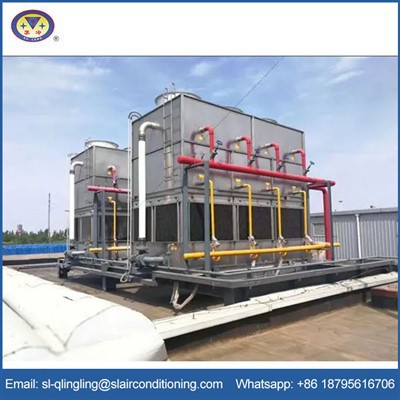
Hey there! As an industrial cooler supplier, I often get asked about the cooling efficiency of industrial coolers. It's a super important topic, especially for businesses that rely on these coolers to keep their operations running smoothly. So, let's dive right in and explore what cooling efficiency is all about in the world of industrial coolers.
What is Cooling Efficiency?
Cooling efficiency, in simple terms, is how well an industrial cooler can remove heat from a given space or process. It's usually measured in terms of how much cooling power it can deliver for a certain amount of energy input. The higher the cooling efficiency, the less energy the cooler uses to achieve the desired temperature. And that's a big deal because it can save businesses a ton of money on their energy bills.
There are a few factors that can affect the cooling efficiency of an industrial cooler. One of the most important ones is the type of cooling technology it uses. For example, some coolers use evaporative cooling, which is a very energy - efficient method. In an Evaporative Cooling System, water is evaporated to cool the air. As water changes from a liquid to a gas, it absorbs heat from the surrounding air, lowering the temperature. This process requires less energy compared to traditional refrigeration systems.
Another factor is the size and capacity of the cooler. If you choose a cooler that's too small for the space or process you need to cool, it will have to work harder and use more energy to reach the desired temperature. On the other hand, if the cooler is too large, it may cycle on and off frequently, which can also reduce its efficiency. So, it's crucial to select the right - sized cooler for your specific needs.
The design and construction of the cooler also play a role. A well - designed cooler will have good insulation to prevent heat from leaking in and efficient fans and motors to circulate the cooled air. Additionally, regular maintenance is essential to keep the cooler running at peak efficiency. This includes cleaning the filters, checking the refrigerant levels (if applicable), and ensuring that all the components are in good working condition.
Measuring Cooling Efficiency
There are a few ways to measure the cooling efficiency of an industrial cooler. One common metric is the Energy Efficiency Ratio (EER). The EER is calculated by dividing the cooling capacity of the cooler (in British Thermal Units per hour, or BTU/h) by the power input (in watts). For example, if a cooler has a cooling capacity of 12,000 BTU/h and uses 1,000 watts of power, its EER would be 12. A higher EER means the cooler is more energy - efficient.
Another metric is the Coefficient of Performance (COP). The COP is similar to the EER, but it's used for refrigeration systems. It measures the ratio of the cooling effect (in kilowatts) to the power input (also in kilowatts). A higher COP indicates better efficiency.
Cooling Efficiency in Different Types of Industrial Coolers
Let's take a look at how cooling efficiency varies in different types of industrial coolers.
Evaporative Coolers
As I mentioned earlier, evaporative coolers are known for their high energy efficiency. They can be a great option for dry climates where the evaporation process works well. In an evaporative cooler, the cooling efficiency can be quite high, especially when compared to traditional air - conditioning systems. These coolers are relatively simple in design and use less electricity because they don't rely on a compressor to cool the air. However, their effectiveness can be limited in humid climates since the air is already saturated with moisture, making it harder for water to evaporate.
Industrial Air Coolers for Cold Storage Rooms
Industrial Air Cooler For Cold Storage Room need to maintain a specific temperature range to keep the stored products fresh. These coolers often use refrigeration technology to achieve the required cooling. The cooling efficiency of these coolers is crucial because cold storage facilities typically run 24/7, and any inefficiency can lead to significant energy costs. Modern industrial air coolers for cold storage rooms are designed to be as energy - efficient as possible, with advanced insulation and efficient compressors.
Screw Cold Storage Air Coolers
Screw Cold Storage Air Cooler are a type of refrigeration system commonly used in large - scale cold storage applications. They use a screw compressor, which is known for its high efficiency and reliability. The screw compressor can provide a continuous flow of refrigerant, allowing the cooler to maintain a stable temperature. These coolers are designed to handle large cooling loads, and their efficiency is optimized through advanced control systems that adjust the compressor speed based on the cooling demand.
Benefits of High - Efficiency Industrial Coolers
Investing in high - efficiency industrial coolers can bring several benefits to businesses. First and foremost, it can significantly reduce energy costs. As energy prices continue to rise, this can have a big impact on a company's bottom line. By using less energy, businesses can also reduce their carbon footprint, which is becoming increasingly important in today's environmentally conscious world.
High - efficiency coolers also tend to have a longer lifespan. Since they don't have to work as hard to achieve the desired cooling, the components are subject to less wear and tear. This means fewer breakdowns and lower maintenance costs over time.
In addition, a well - functioning, efficient cooler can help improve the quality of the products stored in a cold storage facility. By maintaining a consistent temperature, it can prevent spoilage and ensure that the products meet the required quality standards.
How to Improve Cooling Efficiency
If you already have an industrial cooler and want to improve its efficiency, there are a few things you can do. First, make sure to keep it clean. Dirty filters can restrict airflow, making the cooler work harder. Regularly clean or replace the filters according to the manufacturer's recommendations.
Check the insulation around the cooler. If there are any gaps or damage, it can allow heat to enter, reducing the efficiency. Seal any leaks and add additional insulation if necessary.
Also, consider upgrading to a more energy - efficient model if your current cooler is old and inefficient. Newer models often come with advanced features and technologies that can significantly improve cooling efficiency.


Conclusion
In conclusion, the cooling efficiency of an industrial cooler is a crucial factor to consider when choosing a cooler for your business. It can have a big impact on your energy costs, the lifespan of the cooler, and the quality of your products. By understanding the factors that affect cooling efficiency and taking steps to improve it, you can ensure that your industrial cooler performs at its best.
If you're in the market for an industrial cooler or want to learn more about how to improve the efficiency of your existing cooler, I'd love to help. Reach out to me, and we can have a chat about your specific needs. Let's work together to find the perfect solution for your cooling requirements.
References
ASHRAE Handbook of Fundamentals.
Industrial Refrigeration Handbook.