What is the Cost of a Water Condenser From Air?
As a supplier of Water Condensers From Air, I often get asked about the cost of these systems. Understanding the cost factors associated with air - based water condensers is crucial for both potential buyers and industry professionals. In this blog, we'll explore the various elements that contribute to the cost of a water condenser from air and provide insights to help you make informed purchasing decisions.
Factors Affecting the Cost of an Air - Based Water Condenser
1. Capacity and Size
The capacity of a water condenser from air is one of the primary determinants of its cost. Larger condensers with higher water - production capacities generally cost more. This is because they require more materials for construction, larger heat exchange surfaces, and more powerful components such as fans and compressors. For instance, a small - scale air water condenser designed for residential use might have a lower price tag compared to an industrial - grade unit capable of producing hundreds of liters of water per day.
The size of the condenser also plays a role. A more compact design may be more expensive due to the engineering and technology required to achieve high performance in a smaller footprint. On the other hand, larger, less - compact units might be more affordable in terms of initial cost but could require more space and potentially higher installation costs.
2. Technology and Efficiency
Advanced technologies in air water condensers can significantly impact the cost. High - efficiency condensers that use innovative heat exchange methods, such as Finned Energy Saving Condenser, are generally more expensive. These technologies allow for better heat transfer, reduced energy consumption, and increased water production rates.
For example, condensers with intelligent control systems that adjust operation based on environmental conditions, such as humidity and temperature, can optimize water production and energy use. However, the research, development, and integration of these advanced features contribute to a higher upfront cost.
3. Build Quality and Materials
The quality of materials used in the construction of an air water condenser is another important cost factor. High - grade materials, such as corrosion - resistant metals and durable plastics, are more expensive but offer longer service lives and better performance. Condensers made with inferior materials may be cheaper initially but could require more frequent repairs and replacements, leading to higher long - term costs.
Components like the condenser coils, which are crucial for heat exchange, can vary in quality. High - quality coils made from copper or aluminum alloys with special coatings can enhance heat transfer efficiency and resist corrosion, but they come at a higher price.
4. Brand and Reputation
Well - established brands with a good reputation in the market often charge a premium for their air water condensers. These brands typically invest in research, development, and customer support, which can result in more reliable and high - performing products. While the initial cost may be higher, the peace of mind and potential for better after - sales service can be worth the extra expense for many buyers.
5. Installation and Maintenance
Installation costs are an additional consideration when calculating the total cost of an air water condenser. Complex installations, such as those in industrial settings or in locations with limited access, may require specialized labor and equipment, increasing the overall cost.


Maintenance costs also vary depending on the type of condenser. Some models are designed for easy maintenance, with accessible components and simple cleaning procedures. Others may require more frequent servicing and the use of specialized tools or parts, which can add to the long - term cost of ownership.
Cost Ranges for Air - Based Water Condensers
The cost of an air water condenser can vary widely depending on the factors mentioned above. For small, portable units suitable for personal or small - office use, prices can range from a few hundred dollars to a couple of thousand dollars. These units typically have lower water production capacities and may use more basic technologies.
Medium - sized condensers for commercial applications, such as restaurants or small shops, can cost anywhere from $2,000 to $10,000. These units usually offer higher water production rates and may incorporate more advanced features for better efficiency.
Industrial - scale air water condensers, which are capable of producing large volumes of water for manufacturing plants or large facilities, can cost upwards of $10,000. The price can go much higher for high - capacity, state - of - the - art units with the latest technologies and large - scale installation requirements.
Comparing Different Types of Air - Based Water Condensers
1. Evaporative Condensing Units
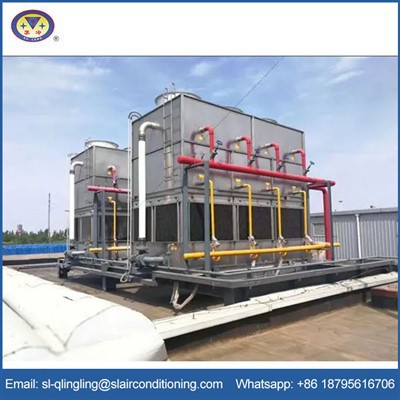
Evaporative Condensing Unit work by using the evaporation of water to remove heat from the refrigerant. These units are often more energy - efficient than traditional air - cooled condensers, especially in hot and dry climates. However, they require a water source for the evaporation process, which can add to the operating cost. The initial cost of an evaporative condensing unit can be relatively high due to the additional components required for water management and evaporation.
2. Air Condenser Units
Air Condenser Unit rely solely on air to cool the refrigerant. They are simpler in design and generally have lower initial costs compared to evaporative condensing units. However, their efficiency can be affected by high ambient temperatures, and they may consume more energy in hot weather.
Making an Informed Decision
When considering the cost of an air water condenser, it's important to look beyond the initial purchase price. Calculate the total cost of ownership, including installation, maintenance, and operating costs over the expected lifespan of the unit. Consider your specific water production needs, the environmental conditions of the installation site, and your budget.
If you're looking for a cost - effective solution with good energy efficiency, an evaporative condensing unit might be a suitable choice, especially in areas with access to a reliable water source. On the other hand, if simplicity and lower initial cost are your priorities, an air condenser unit could be the better option.
Contact Us for More Information
If you're interested in purchasing an air water condenser and want to learn more about our products, costs, and how they can meet your specific requirements, we'd love to hear from you. Our team of experts is ready to assist you in making the right decision. Whether you need a small - scale unit for personal use or a large - scale industrial solution, we have a range of options to choose from. Reach out to us for a detailed quote and to start a discussion about your water condenser needs.
References
- ASHRAE Handbook of Refrigeration. American Society of Heating, Refrigerating and Air - Conditioning Engineers.
- "Energy - efficient Condensing Technologies" by Smith, J. et al. Journal of Energy and Environmental Science.