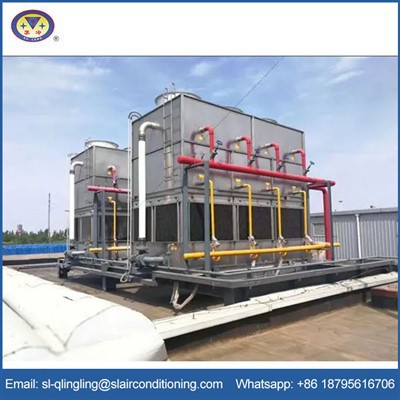
Hey there! As a supplier of Quick Freezing Air Coolers, I've seen firsthand how air quality can have a huge impact on the operation of these coolers. In this blog post, I'm gonna break down the effects of air quality on Quick Freezing Air Coolers and why it matters to you.
First off, let's talk about what air quality actually means. Air quality refers to the level of pollutants and contaminants in the air. These can include things like dust, dirt, pollen, mold spores, and chemicals. When it comes to Quick Freezing Air Coolers, the air quality in the environment where they're operating can have a significant effect on their performance and lifespan.
One of the main ways air quality affects Quick Freezing Air Coolers is through the accumulation of dirt and debris on the coils and fins. When the air is full of dust and other particles, these can stick to the coils and fins of the cooler, reducing their ability to transfer heat effectively. This means that the cooler has to work harder to achieve the same level of cooling, which can lead to increased energy consumption and higher operating costs.
For example, if you're using a Quick-freezing Storage Air Cooler in a dusty warehouse, the dust can build up on the coils and fins over time. This buildup can act as an insulator, preventing the heat from being transferred out of the cooler efficiently. As a result, the cooler may struggle to maintain the desired temperature, and you may notice that your energy bills start to creep up.
Another issue that can arise from poor air quality is the growth of mold and bacteria. If the air is humid and contains a lot of organic matter, such as pollen or dust, it can create the perfect environment for mold and bacteria to grow. These microorganisms can thrive on the damp surfaces inside the cooler, such as the coils and drip pans.
Mold and bacteria not only pose a health risk to anyone using the cooler, but they can also cause damage to the cooler itself. The growth of mold and bacteria can clog the coils and fins, reducing the airflow and making it harder for the cooler to operate efficiently. In addition, the presence of mold and bacteria can lead to unpleasant odors, which can be a major problem in food storage facilities or other areas where air quality is important.
Let's say you're using a Cold Room Air Cooler in a cold storage facility. If the air in the facility is not properly filtered and dehumidified, mold and bacteria can start to grow inside the cooler. This can not only contaminate the food stored in the facility but also damage the cooler over time, leading to costly repairs or even replacement.
In addition to dust, dirt, and mold, air quality can also be affected by the presence of chemicals and other pollutants. For example, if the cooler is located near a factory or other industrial source, it may be exposed to chemicals such as solvents, acids, or heavy metals. These chemicals can corrode the metal components of the cooler, leading to leaks and other problems.

Similarly, if the air contains high levels of ozone or other oxidizing agents, it can cause the rubber and plastic components of the cooler to degrade over time. This can lead to leaks, reduced performance, and ultimately, the need for replacement parts or a new cooler altogether.
Imagine you're using a Vertical Type Blast Freezing Air Cooler in a manufacturing plant. If the air in the plant is contaminated with chemicals, these can react with the materials in the cooler, causing damage and reducing its lifespan. This can be a major headache for you as a business owner, as it can lead to unexpected downtime and costly repairs.
So, what can you do to ensure that your Quick Freezing Air Cooler is operating in a clean and healthy environment? The first step is to make sure that the air in the area where the cooler is located is properly filtered. This can help to remove dust, dirt, pollen, and other particles from the air before they have a chance to accumulate on the cooler.
There are a variety of air filters available on the market, ranging from simple disposable filters to more advanced HEPA filters. The type of filter you choose will depend on the specific needs of your application and the level of air quality in your environment.

In addition to filtering the air, it's also important to keep the area around the cooler clean and free of debris. This means regularly sweeping and mopping the floor, as well as removing any dust or dirt that may have accumulated on the cooler itself.
Another important factor to consider is the humidity level in the air. High humidity can create the perfect environment for mold and bacteria to grow, so it's important to keep the humidity level in the area where the cooler is located within a reasonable range. This can be achieved through the use of a dehumidifier or by ensuring that the area is well-ventilated.
Finally, it's a good idea to have your Quick Freezing Air Cooler regularly serviced and maintained by a professional. A qualified technician can inspect the cooler for any signs of damage or wear, clean the coils and fins, and make any necessary repairs or adjustments. This can help to ensure that your cooler is operating at peak efficiency and can extend its lifespan.
In conclusion, air quality has a significant impact on the operation of Quick Freezing Air Coolers. Poor air quality can lead to reduced performance, increased energy consumption, and costly repairs or replacement. By taking steps to ensure that the air in the area where your cooler is located is clean and healthy, you can help to protect your investment and keep your cooler running smoothly for years to come.
If you're in the market for a Quick Freezing Air Cooler or have any questions about how air quality can affect your existing cooler, I'd love to hear from you. Contact me today to discuss your needs and find the perfect solution for your business.
References
- "Air Quality and Its Impact on HVAC Systems." HVACR Business.
- "The Effects of Pollutants on Refrigeration Equipment." Refrigeration & Air Conditioning Magazine.
- "Maintaining Optimal Air Quality for Refrigeration Systems." Food Safety Magazine.