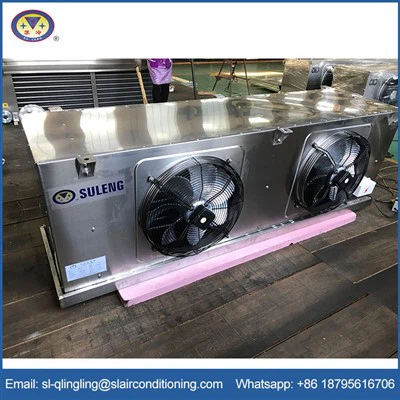
Hey there! As a supplier of fan air coolers, I've been getting a bunch of questions lately about whether these coolers can be used in a music room. Well, let's dive right into it and figure this out together.
First off, let's talk about what a fan air cooler actually is. A fan air cooler is a device that combines the functions of a fan and an air cooler. It works by drawing in warm air, passing it through a wet cooling pad, and then blowing out cooler, more humidified air. There are different types of fan air coolers out there, like the Four Fans Air Cooler, which comes with four fans for enhanced air circulation, and the An Industrial Air Cooler, designed for larger spaces. And of course, there's the classic Air Cooler Fan, which is a great all - around option.
Now, let's get to the main question: Can a fan air cooler be used in a music room? The answer is a big yes, but there are a few things to consider.
Temperature and Humidity Control
One of the most important factors in a music room is maintaining the right temperature and humidity. Instruments, especially wooden ones like guitars, violins, and pianos, are very sensitive to changes in these conditions. High temperatures can cause the wood to expand, which might lead to tuning issues, warping, or even damage to the instrument's structure. On the other hand, low humidity can make the wood dry out and crack.
A fan air cooler can help with temperature control. It cools the air in the room, which is great during hot summer days. And since it adds a bit of humidity to the air as it cools, it can also prevent the air from getting too dry. However, you need to be careful not to over - humidify the room. Some fan air coolers come with adjustable settings for humidity, which is super handy. You can set it to a level that's just right for your instruments.
Noise Level
Another crucial aspect of a music room is noise. You don't want any distractions when you're playing or recording music. Fan air coolers do make some noise, but the level can vary depending on the model. Some high - end fan air coolers are designed to be very quiet. They use advanced technology to reduce the noise produced by the fans and the motor.
Before you buy a fan air cooler for your music room, check the noise level specifications. Look for models that have a low decibel rating. You might also want to read reviews from other customers to get an idea of how quiet the cooler really is in real - life situations.
Air Circulation
Good air circulation is essential in a music room. Stale air can make the room feel stuffy and can even affect your health and concentration. A fan air cooler can improve air circulation by constantly moving the air around the room. This helps to keep the air fresh and reduces the buildup of dust and other pollutants.
When placing the fan air cooler in your music room, think about the layout. You want to position it in a way that allows for maximum air circulation. For example, if your room has a lot of furniture or equipment, place the cooler in an open area where the air can flow freely.
Size of the Room
The size of your music room matters when it comes to choosing a fan air cooler. If you have a small music room, a compact fan air cooler might be sufficient. It will cool the room effectively without taking up too much space. However, if you have a large music room, you might need a more powerful cooler, like an industrial - grade one.
Make sure to check the cooling capacity of the fan air cooler. It's usually measured in cubic feet per minute (CFM). A higher CFM means the cooler can move more air and cool a larger area.
Installation and Maintenance
Installing a fan air cooler in a music room is usually pretty straightforward. Most coolers come with detailed instructions, and you can easily set them up yourself. However, if you're not comfortable with DIY, you can always hire a professional.
Maintenance is also important. You need to clean the cooling pads regularly to ensure the cooler works efficiently. Some coolers have removable pads that are easy to clean. You also need to check the water tank and refill it as needed.
Benefits of Using a Fan Air Cooler in a Music Room
There are several benefits to using a fan air cooler in a music room. As we've already mentioned, it helps with temperature and humidity control, which is great for your instruments. It also improves air circulation, which makes the room more comfortable to be in.
Another benefit is energy efficiency. Fan air coolers use less energy compared to traditional air conditioners. This means you can save on your electricity bills while still keeping your music room cool and comfortable.
Considerations for Different Types of Music
If you're into different types of music, there might be some additional considerations. For example, if you're a classical musician who plays a lot of solo pieces, you might be more sensitive to noise. So, you'll want to choose a very quiet fan air cooler.
On the other hand, if you're in a band that plays loud music, the noise from the cooler might not be as much of an issue. But you still need to make sure that the cooler can handle the heat generated by the stage lights and the equipment.
Conclusion
So, to sum it up, a fan air cooler can definitely be used in a music room. It offers many benefits in terms of temperature and humidity control, air circulation, and energy efficiency. But you need to consider factors like noise level, room size, and the type of music you play.


If you're thinking about getting a fan air cooler for your music room, I'd be more than happy to help you choose the right one. We have a wide range of fan air coolers to suit different needs and budgets. Whether you're looking for a small, quiet cooler for a home music studio or a powerful industrial cooler for a large rehearsal space, we've got you covered.
If you're interested in learning more or making a purchase, feel free to reach out. We can have a chat about your specific requirements and find the perfect fan air cooler for your music room.
References
- Various fan air cooler product manuals
- Reviews from customers on e - commerce platforms
- Articles on instrument care and environmental conditions in music rooms