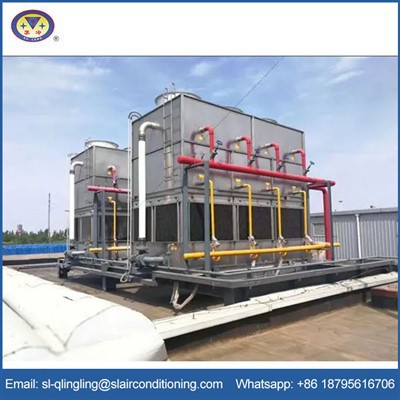
When it comes to maintaining a comfortable and productive environment in industrial settings, choosing the right industrial air cooler is crucial. As an industrial air cooler supplier, I understand the challenges that businesses face in making this important decision. In this blog post, I'll share some key factors to consider when selecting an industrial air cooler that meets your specific needs.
Understanding Your Cooling Requirements
The first step in choosing the right industrial air cooler is to assess your cooling requirements accurately. This involves considering several aspects of your industrial space, such as its size, layout, and the type of activities taking place within it.
Size of the Space
The size of the area you need to cool is one of the most critical factors. Larger spaces generally require air coolers with higher cooling capacities. To determine the appropriate capacity, you can calculate the cubic footage of the area by multiplying the length, width, and height of the space. As a general rule, you'll need an air cooler that can circulate and cool a sufficient volume of air for the given area. For example, a small workshop might require a cooler with a lower capacity, while a large warehouse would need a more powerful unit.
Layout and Configuration
The layout of your industrial space also matters. Spaces with open floor plans may allow for more efficient air circulation, while areas with partitions, machinery, or other obstacles can disrupt airflow. In such cases, you might need to consider using multiple air coolers or choosing models that are designed to direct air in specific directions. For instance, Ceiling Mounted Spot Cooler can be an excellent choice for targeting specific areas within a large space.
Heat Sources
Identify the heat sources in your industrial environment. Machinery, equipment, and even the number of people working in the area can generate heat. High - heat generating processes like welding or metalworking will require air coolers with greater cooling capabilities. You may also need to position the air coolers strategically to counteract the heat produced by these sources.
Types of Industrial Air Coolers
There are several types of industrial air coolers available on the market, each with its own advantages and suitable applications.
Evaporative Air Coolers
Evaporative air coolers work by using the principle of evaporation to cool the air. They draw in warm air, pass it through water - soaked pads, and then release cooler, moist air into the environment. These coolers are energy - efficient and relatively inexpensive to operate. They are ideal for dry climates where the humidity is low. However, they may not be as effective in humid conditions as the evaporation process is less efficient when the air is already saturated with moisture.
Refrigerated Air Coolers
Refrigerated air coolers, also known as compressor - based coolers, use a refrigeration cycle similar to that of a traditional air conditioner. They are capable of providing significant cooling even in high - humidity environments. These coolers are more powerful and can maintain a consistent temperature, but they also consume more energy and are generally more expensive to purchase and operate. They are suitable for industries where precise temperature control is required, such as food processing or pharmaceutical manufacturing.
Ceiling - Mounted Air Coolers
Ceiling Mounted Air Cooler are a popular choice for industrial settings as they save floor space and can provide widespread air distribution. They are typically installed on the ceiling and can direct air downwards, creating a comfortable working environment. Some ceiling - mounted air coolers, like the Ceiling Type Ammonia Air Cooler, are designed for specific industrial applications and use ammonia as a refrigerant, which can be more efficient in certain situations.
Energy Efficiency
Energy efficiency is an important consideration when choosing an industrial air cooler. High - energy consumption can lead to significant operating costs over time. Look for air coolers with high Energy Efficiency Ratio (EER) or Seasonal Energy Efficiency Ratio (SEER) ratings. These ratings indicate how efficiently the cooler can convert electrical energy into cooling power.
In addition to the EER and SEER ratings, consider the type of compressor and fan used in the air cooler. Variable - speed compressors and fans can adjust their speed based on the cooling demand, which can result in energy savings. Also, features like programmable thermostats and automatic shut - off functions can help reduce energy waste.
Maintenance and Durability
Industrial air coolers are subjected to harsh operating conditions, so maintenance and durability are key factors. Choose air coolers that are easy to maintain, with accessible components for cleaning and servicing. Regular maintenance, such as cleaning the filters, coils, and pads, can ensure the efficient operation of the cooler and extend its lifespan.
Look for air coolers made from high - quality materials that can withstand the rigors of industrial use. The housing should be sturdy and resistant to corrosion, especially in environments where there is exposure to moisture, chemicals, or dust. A reliable manufacturer will also provide a good warranty, which can give you peace of mind in case of any issues.
Noise Level
Noise can be a significant concern in industrial settings, especially if workers are required to be in close proximity to the air cooler. Excessive noise can cause distractions, reduce productivity, and even lead to hearing problems over time. When choosing an air cooler, consider the noise level it produces. Look for models that are designed to operate quietly, with features like sound - dampening materials or low - noise fans.
Cost Considerations
The cost of an industrial air cooler includes not only the purchase price but also the operating and maintenance costs over its lifespan. While it may be tempting to choose the cheapest option, it's important to consider the long - term value. A more expensive air cooler with higher energy efficiency and durability may save you money in the long run by reducing energy consumption and maintenance requirements.
Compare the prices of different models and brands, but also take into account the features, performance, and warranty offered. You can also get quotes from multiple suppliers to ensure you are getting the best deal.
Conclusion
Choosing the right industrial air cooler is a complex decision that requires careful consideration of your specific cooling requirements, the type of cooler, energy efficiency, maintenance, noise level, and cost. As an industrial air cooler supplier, I can help you navigate through these factors and find the best solution for your business.
If you're interested in learning more about our industrial air coolers or would like to discuss your specific needs, I encourage you to reach out to us. We have a team of experts who can provide you with detailed information and assist you in making the right choice. Let's work together to create a comfortable and productive industrial environment.
References
ASHRAE Handbook - Fundamentals. American Society of Heating, Refrigerating and Air - Conditioning Engineers.
Industrial Air Cooling Systems: Design, Installation, and Maintenance Guide. Industry - specific publication.