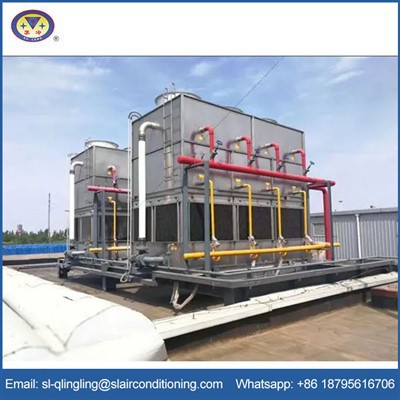
Hey there! As a supplier of Air Condenser Units, I've seen my fair share of issues, and one of the most common problems folks come across is a leaking air condenser unit. It can be a real headache, but don't worry, I'm here to walk you through how to deal with it.
First off, let's talk about why your air condenser unit might be leaking. There are a few common reasons. One of the most typical causes is a clogged condensate drain line. The condensate drain line is responsible for carrying away the water that's produced when the air conditioner cools the air. Over time, dirt, dust, and debris can build up in the line, causing it to clog. When this happens, the water can't drain properly, and it starts to leak out of the unit.
Another possible reason for a leak is a damaged or cracked condensate pan. The condensate pan sits beneath the evaporator coil and catches the water that drips off the coil. If the pan is damaged or cracked, water can leak out onto the floor. Sometimes, the pan can also become rusted or corroded over time, which can lead to leaks.
A refrigerant leak can also cause your air condenser unit to leak. Refrigerant is the substance that cools the air in your air conditioner. If there's a leak in the refrigerant line, it can cause the unit to malfunction and leak water. Refrigerant leaks are a bit more serious than clogged drain lines or damaged condensate pans, and they usually require the help of a professional technician to fix.
So, how can you tell if your air condenser unit is leaking? The most obvious sign is water pooling around the unit. You might also notice a musty smell or mold growth near the unit, which can be a sign of a long - standing leak. If your air conditioner isn't cooling your home as effectively as it used to, that could also be a sign of a problem, including a leak.
Now, let's get into how to deal with a leaking air condenser unit.
Step 1: Check the Condensate Drain Line
The first thing you should do is check the condensate drain line for clogs. You can usually find the drain line near the bottom of the air condenser unit. To check for clogs, you can try using a wet - dry vacuum to suck out any debris that might be blocking the line. If that doesn't work, you can try using a pipe cleaner or a small wire to gently clear the clog.
Another method is to pour a mixture of bleach and water down the drain line. The bleach will help to kill any mold or bacteria that might be causing the clog. Mix about a cup of bleach with a gallon of water and slowly pour it down the drain line. Let it sit for a few hours, and then try running some water through the line to see if the clog has been cleared.
Step 2: Inspect the Condensate Pan
Next, you should inspect the condensate pan for damage or cracks. If you notice any cracks or holes in the pan, you'll need to replace it. You can usually find replacement condensate pans at your local hardware store or online. Make sure to choose a pan that's the right size and shape for your air condenser unit.
If the pan is just dirty or rusty, you can try cleaning it with a mixture of vinegar and water. Vinegar is a natural cleaner that can help to remove rust and dirt from the pan. Mix equal parts vinegar and water in a spray bottle and spray the solution onto the pan. Let it sit for a few minutes, and then scrub the pan with a brush. Rinse the pan thoroughly with water and let it dry before putting it back in the unit.
Step 3: Look for Refrigerant Leaks
If you suspect that there's a refrigerant leak, it's best to call in a professional technician. Refrigerant is a dangerous substance, and it requires special equipment and training to handle. A professional technician will be able to use a refrigerant leak detector to find the source of the leak and repair it.
They'll also be able to recharge the refrigerant in your air condenser unit if necessary. Remember, trying to fix a refrigerant leak on your own can be dangerous and can also void your air conditioner's warranty.
Step 4: Regular Maintenance
To prevent future leaks, it's important to perform regular maintenance on your air condenser unit. This includes cleaning or replacing the air filter every month, checking the condensate drain line for clogs regularly, and having the unit serviced by a professional technician at least once a year.
Regular maintenance can help to keep your air condenser unit running smoothly and can prevent costly repairs down the road.
Now, if you're in the market for a new air condenser unit or need replacement parts, we've got you covered. We offer a wide range of high - quality products, including Industrial Water Condenser, Water Cooled Condensing Unit, and Airwell Water Cooled Condenser. Our products are built to last and are designed to provide efficient and reliable performance.
If you have any questions or are interested in purchasing our products, don't hesitate to reach out. We're here to help you find the right solution for your needs. Whether you're a homeowner or a business owner, we can assist you in making the best choice for your air conditioning requirements.


In conclusion, dealing with a leaking air condenser unit can be a hassle, but by following these steps, you can diagnose and fix the problem. And if you need a new unit or parts, we're just a message away. Let's work together to keep your space cool and comfortable!
References
- HVAC Installation and Maintenance Guide, 2023 Edition
- Air Conditioning Systems: Troubleshooting and Repair Manual