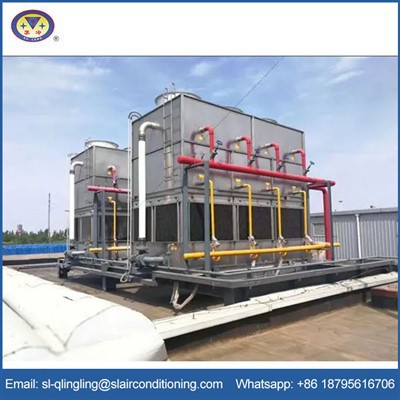
Hey there! As a supplier of Evaporative Condensing Units, I've seen firsthand the importance of getting the installation right. There are quite a few design considerations that you need to keep in mind to ensure your unit runs smoothly and efficiently. Let's dive into them.
Location, Location, Location
The first thing you've got to think about is where you're going to install the Evaporative Condensing Unit. You want to pick a spot that has good ventilation. The unit needs fresh air to work its magic, so avoid areas that are blocked off or have poor air circulation. A place with plenty of open space around it is ideal.
Also, make sure the location is level. An uneven surface can cause all sorts of problems, like the unit vibrating too much or not draining properly. You don't want that, trust me. And if possible, try to install it away from sources of heat, like exhaust vents or direct sunlight for long periods. This can affect the unit's performance and increase its energy consumption.
Space Requirements
When it comes to space, you need to give your Evaporative Condensing Unit enough room to breathe. You've got to consider the clearance around the unit. You should leave at least a few feet of space on all sides. This allows for proper air intake and discharge. If you squeeze it in too tight, the air won't flow correctly, and the unit won't be able to condense effectively.
You also need to think about the height. Make sure there's enough vertical space above the unit for the hot air to escape. Otherwise, it'll just recirculate, making the unit work harder and reducing its efficiency.
Water Supply and Drainage
Water is a crucial part of how an Evaporative Condensing Unit works. You need to have a reliable water supply. The water should be clean and free of debris. A dirty water supply can clog the nozzles and other components of the unit, leading to reduced performance and potential damage.
As for drainage, it's equally important. The unit needs to be able to drain the water properly. You've got to make sure the drainage system is set up correctly and that it can handle the volume of water that the unit produces. A clogged or inefficient drainage system can cause water to pool around the unit, which can lead to corrosion and other problems.
Electrical Requirements
An Evaporative Condensing Unit requires electricity to run. You need to ensure that you have the right electrical supply. Check the voltage and amperage requirements of the unit and make sure your electrical system can handle it. It's also a good idea to have a dedicated circuit for the unit. This helps prevent overloading and reduces the risk of electrical problems.
You should also consider the wiring. Make sure it's installed correctly and that it's properly grounded. Faulty wiring can not only damage the unit but also pose a safety hazard.
Noise Considerations
Let's face it, some Evaporative Condensing Units can be noisy. If the unit is going to be installed near areas where noise is a concern, like offices or residential areas, you need to take steps to reduce the noise. There are noise-reducing enclosures available that can help dampen the sound. You can also choose a unit that is designed to be quieter.
Maintenance Access
Maintenance is an essential part of keeping your Evaporative Condensing Unit in good working condition. You need to make sure you have easy access to all the components of the unit. This includes things like the fan, the coils, and the nozzles. If you can't get to these parts easily, it'll be difficult to clean and maintain them.


You should also consider having a space nearby where you can store the tools and parts that you might need for maintenance. This makes the whole process more efficient.
Compatibility with Existing Systems
If you're integrating the Evaporative Condensing Unit into an existing system, you need to make sure it's compatible. You've got to consider things like the refrigerant type, the operating pressures, and the control systems. If the unit isn't compatible, it won't work properly, and you might end up with a lot of headaches.
Environmental Factors
The environment where the unit is installed can have a big impact on its performance. You need to consider things like the temperature and humidity of the area. In a hot and humid climate, the unit might have to work harder to condense the refrigerant. You might need to adjust the settings or choose a unit that is better suited for those conditions.
You also need to think about the air quality. If the area has a lot of dust, pollen, or other pollutants, it can affect the unit's performance. You might need to install air filters or take other measures to protect the unit.
Safety Considerations
Safety should always be a top priority. You need to make sure the unit is installed in a safe manner. This includes things like proper grounding, using safety guards on moving parts, and following all the manufacturer's safety instructions.
You should also make sure there are clear signs and labels around the unit to indicate any potential hazards. And of course, you need to train the people who will be operating and maintaining the unit on how to do it safely.
Cost Considerations
Last but not least, you've got to think about the cost. You need to consider not only the initial purchase price of the Evaporative Condensing Unit but also the long-term operating costs. A more expensive unit might be more energy-efficient, which can save you money in the long run. You also need to factor in the cost of maintenance, water, and electricity.
If you're looking for more information on related products, you can check out these links: Water Cooled Condensing Unit, Water Condenser From Air, and Condenser for Water Cooler.
Well, that's a wrap on the design considerations for an Evaporative Condensing Unit installation. If you're in the market for an Evaporative Condensing Unit or have any questions about installation, feel free to reach out. We're here to help you make the right choice and ensure a smooth installation process.
References
- ASHRAE Handbook of Refrigeration
- Manufacturer's installation and operation manuals for Evaporative Condensing Units