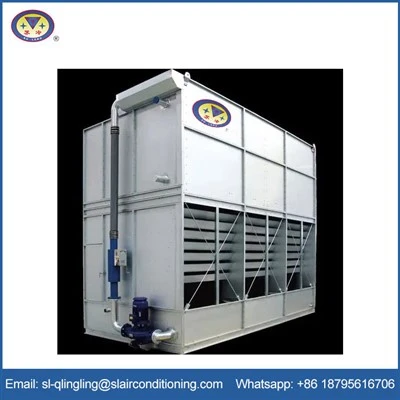
Insurance is like a safety net for your business, and when it comes to air condenser units, having the right insurance is crucial. As a supplier of Air Condenser Units, I've seen firsthand how important it is to understand the insurance requirements for these pieces of equipment. In this blog, I'll share some insights on what you need to know about insuring an air condenser unit.
General Liability Insurance
First up, general liability insurance is a must - have for any business involved in the air condenser unit industry. This type of insurance provides coverage for bodily injury and property damage that your business may be legally responsible for.
Let's say a customer comes to your facility to inspect an air condenser unit you're selling. If they trip over a cable and get injured, general liability insurance will cover their medical expenses and any legal fees if they decide to sue. It also covers damage to a customer's property caused by your product. For example, if an air condenser unit malfunctions and leaks refrigerant, damaging the customer's building, general liability insurance will step in to pay for the repairs.
Most insurance providers will require you to have a certain amount of general liability coverage. The amount can vary depending on factors like the size of your business, the volume of sales, and the types of customers you serve. It's essential to review your policy limits regularly to make sure they're adequate for your business needs.
Product Liability Insurance
Product liability insurance is specifically designed to protect your business from claims related to the products you sell. Air condenser units are complex pieces of equipment, and there's always a risk of a defect that could cause harm to the user or damage to their property.
Imagine you supply an air condenser unit to a commercial building, and due to a manufacturing defect, the unit overheats and causes a fire. The building owner could sue you for the cost of the damage to the building, lost business income, and personal injuries. Product liability insurance will cover your legal defense costs and any settlements or judgments against you.
When getting product liability insurance, you'll need to provide details about your air condenser units, such as their specifications, manufacturing processes, and safety features. Insurance companies will assess the risk associated with your products and set the premium accordingly.
It's important to note that different types of air condenser units may have different levels of risk. For example, Water Cooled Refrigeration Condenser may have unique risks related to water leakage and corrosion, while Finned Energy Saving Condenser might have issues with the fins getting clogged. Make sure your insurance policy covers all the potential risks associated with the types of units you sell.
Property Insurance
If you own a physical location where you store or assemble air condenser units, property insurance is essential. This insurance covers damage to your buildings, equipment, and inventory due to perils like fire, theft, vandalism, and natural disasters.


For instance, if a fire breaks out in your warehouse and destroys a large number of air condenser units, property insurance will reimburse you for the value of the lost inventory. It also covers the cost of repairing or rebuilding your facility if it's damaged.
When insuring your property, it's important to accurately assess the value of your inventory and equipment. You'll need to provide detailed information about your air condenser units, including their make, model, age, and quantity. Insurance companies may also require you to have certain safety measures in place, such as fire sprinkler systems and security alarms, to reduce the risk of loss.
Business Interruption Insurance
Business interruption insurance is designed to cover the loss of income and extra expenses your business incurs when operations are disrupted due to a covered event. If there's a fire in your manufacturing facility and you can't produce or supply air condenser units for a few weeks, business interruption insurance will replace your lost income during that period.
It also covers additional expenses you may have to incur to get your business up and running again. For example, you may need to rent a temporary manufacturing space or hire additional staff to catch up on orders.
To get business interruption insurance, you'll need to provide your insurance provider with financial statements, including your revenue, expenses, and profit margins. They'll use this information to calculate the amount of coverage you need.
Equipment Breakdown Insurance
Air condenser units are complex machines with numerous moving parts, and they can break down just like any other equipment. Equipment breakdown insurance provides coverage for the cost of repairing or replacing your air condenser units when they fail due to mechanical, electrical, or pressure system problems.
If a compressor in an air condenser unit fails, equipment breakdown insurance will cover the cost of the new compressor and the labor to install it. This type of insurance is especially important for your customers who rely on your air condenser units for their daily operations.
When applying for equipment breakdown insurance, you'll need to provide details about the maintenance history of your air condenser units. Insurance companies may require you to follow a regular maintenance schedule to keep the policy in force.
Workers' Compensation Insurance
If you have employees who handle or install air condenser units, workers' compensation insurance is mandatory in most states. This insurance provides benefits to employees who are injured or become ill on the job.
For example, if an employee hurts their back while lifting an air condenser unit, workers' compensation will cover their medical expenses and a portion of their lost wages during their recovery. It also protects your business from lawsuits related to workplace injuries.
To get workers' compensation insurance, you'll need to provide information about your employees, including their job duties, hours worked, and payroll. Insurance companies will calculate the premium based on the level of risk associated with your employees' jobs.
Environmental Liability Insurance
Air condenser units can have an impact on the environment, especially if they use refrigerants that are harmful to the ozone layer or contribute to global warming. Environmental liability insurance provides coverage for the cost of cleaning up environmental contamination caused by your business operations.
If your air condenser units leak refrigerant into the ground, environmental liability insurance will cover the cost of soil remediation and any legal fees associated with environmental compliance issues. It's important to note that some insurance policies may exclude certain types of environmental hazards, so make sure you understand the terms and conditions of your policy.
Transportation Insurance
If you're responsible for transporting air condenser units to your customers, you'll need transportation insurance. This insurance covers damage to the units during transit. Whether you're using your own trucks or hiring a third - party carrier, transportation insurance will protect you in case of an accident, theft, or other mishaps on the road.
For example, if a truck carrying your air condenser units is involved in a collision and the units are damaged, transportation insurance will reimburse you for the cost of the damaged units. You'll need to provide details about your transportation processes, including the type of vehicles used and the routes taken, when applying for this insurance.
Summary and Call to Action
In conclusion, having the right insurance for your air condenser units is vital for protecting your business from various risks. From general liability to transportation insurance, each type of coverage plays a crucial role in ensuring the financial stability of your company.
As a supplier of high - quality air condenser units, including Industrial Evaporative Condenser, we understand the importance of insurance and can work with you to make sure you're adequately covered. If you're interested in purchasing our air condenser units or want to discuss the insurance requirements for your business, don't hesitate to reach out for a procurement discussion. We're here to help you make informed decisions and find the best solutions for your needs.
References
- Insurance Information Institute. (2024). Various types of business insurance guides.
- National Association of Insurance Commissioners. (2024). Business insurance regulations.