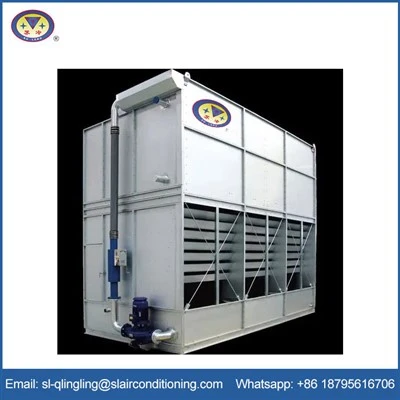
Hey there! As a supplier of Air Coolers for Cold Room, I often get asked about how far an air cooler can blow air in a cold room. It's a question that's super important for anyone looking to keep their cold room at the right temperature and make sure the air circulates properly.
First off, let's talk about what affects the maximum distance an air cooler can blow air. There are a bunch of factors at play here, and understanding them can help you pick the right air cooler for your cold room.
Fan Power
The fan is like the heart of an air cooler. A more powerful fan can push air further. High - powered fans can generate more air pressure, which means the air can travel a longer distance. When we're talking about cold rooms, you'll usually want a fan with a high cubic feet per minute (CFM) rating. A higher CFM means more air is being moved, and it has a better chance of reaching the far corners of your cold room. For example, some industrial - grade air coolers have fans with a CFM of over 5000, which can blow air a significant distance.
Duct Design
If your air cooler uses ducts to direct the air, the design of those ducts matters a whole lot. Smooth, straight ducts with minimal bends and obstructions allow air to flow more freely. Every bend in a duct causes some loss of air pressure, which reduces the distance the air can travel. So, when setting up your cold room air cooler, try to keep the ducts as simple as possible. Also, the diameter of the duct is important. A wider duct can carry more air with less resistance, enabling the air to reach farther.
Room Layout
The layout of your cold room is another big factor. If there are a lot of shelves, equipment, or other obstacles in the way, the air will have a harder time moving. These obstacles can disrupt the airflow and cause the air to lose momentum. In a well - organized cold room with clear pathways for the air, the air cooler can blow air much farther. For instance, if you arrange your shelves in a way that creates channels for the air to flow through, you'll get better air circulation and a longer reach from your air cooler.
Air Temperature and Density
The temperature and density of the air in the cold room also play a role. Cold air is denser than warm air, and denser air can be more difficult to move over long distances. However, in a cold room, the overall temperature is relatively stable. But if there are areas with different temperatures, it can affect the airflow. For example, if there's a warm spot near the air cooler, the air might not flow as smoothly as it would in a uniformly cold environment.
Size of the Cold Room
The size of your cold room is pretty obvious, but it's worth emphasizing. A small cold room doesn't require an air cooler to blow air as far as a large one. In a small room, a less powerful air cooler might be sufficient to circulate the air effectively. But in a large cold room, you'll need a more powerful air cooler with a greater air - blowing distance.
Now, let's get to the numbers. On average, a standard commercial air cooler for a cold room can blow air anywhere from 10 to 30 feet. However, industrial - grade Cold Room Industrial Air Cooler can blow air up to 50 feet or more under ideal conditions. These industrial coolers are designed for large - scale cold storage facilities where proper air circulation is crucial for maintaining the right temperature throughout the room.
If you're using a Water Cooled Air Conditioner in your cold room, the principles are similar. The water - cooling aspect can affect the overall performance, but the factors we've discussed above still apply. Water - cooled air conditioners can sometimes have an advantage in terms of energy efficiency, but you still need to consider the fan power, duct design, and room layout to ensure the air reaches where it needs to go.
So, how do you know if your air cooler is blowing air far enough? One simple way is to use a smoke test. You can release a small amount of smoke near the air cooler and watch how it moves through the room. If the smoke quickly dissipates and doesn't reach the far corners, you might need a more powerful air cooler or to adjust your ductwork.
Another option is to use temperature sensors placed throughout the cold room. If there are significant temperature differences between different areas of the room, it could mean that the air isn't reaching those areas properly. You may need to re - evaluate your air cooler setup.


As a supplier of air coolers for cold rooms, I've seen all sorts of setups. And I know how important it is to get the right air circulation. If you're in the process of setting up a cold room or looking to upgrade your existing air cooler system, I'd love to help. We have a wide range of air coolers suitable for different sizes and layouts of cold rooms. Whether you need a small - scale cooler for a local food storage unit or a large - scale industrial cooler for a big warehouse, we've got you covered.
Contact us to discuss your specific needs. We can provide you with detailed information about our products, help you calculate the right air - blowing distance for your cold room, and assist you in setting up the perfect air cooler system. Don't hesitate to reach out if you have any questions or if you're ready to start the procurement process. We're here to make sure your cold room runs smoothly and efficiently.
References
- ASHRAE Handbook - HVAC Systems and Equipment
- Industrial Ventilation: A Manual of Recommended Practice
- Fan Engineering: The Application, Analysis, and Design of Fans